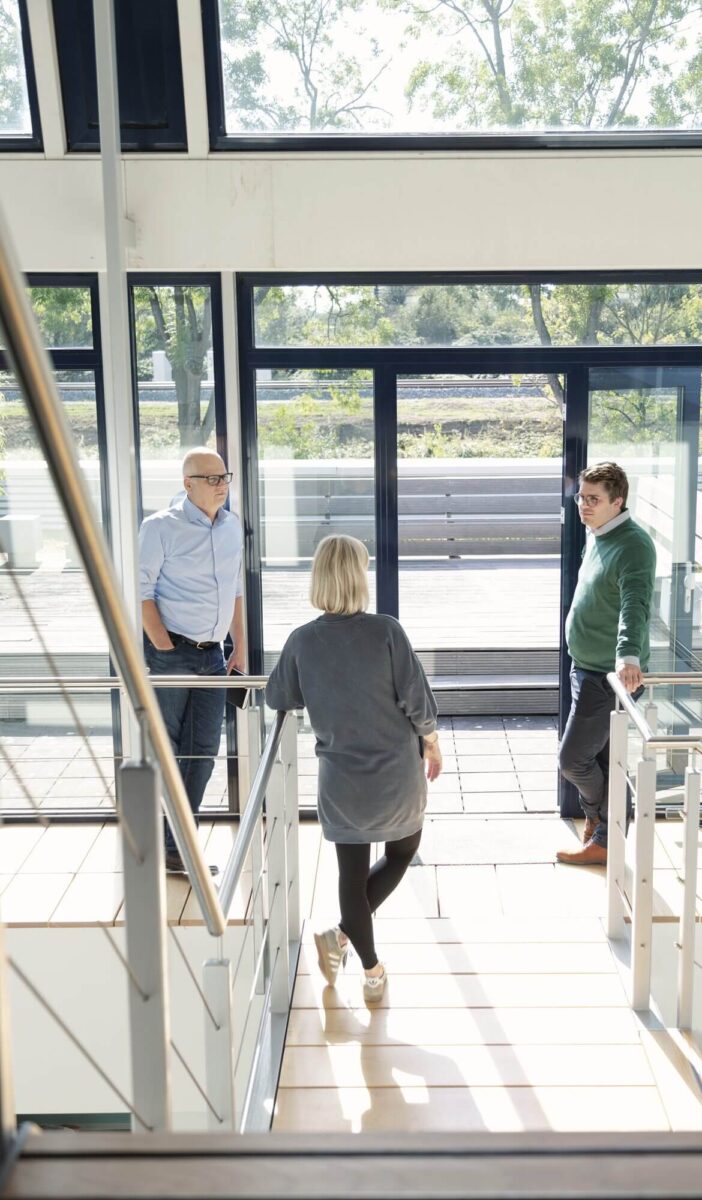
From architecture to scalable production
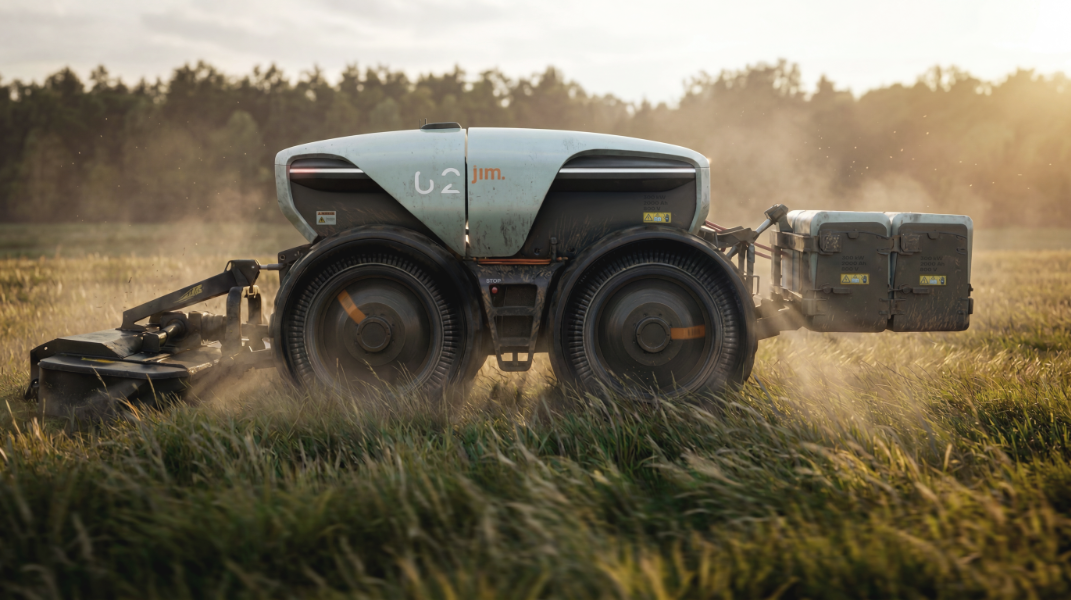
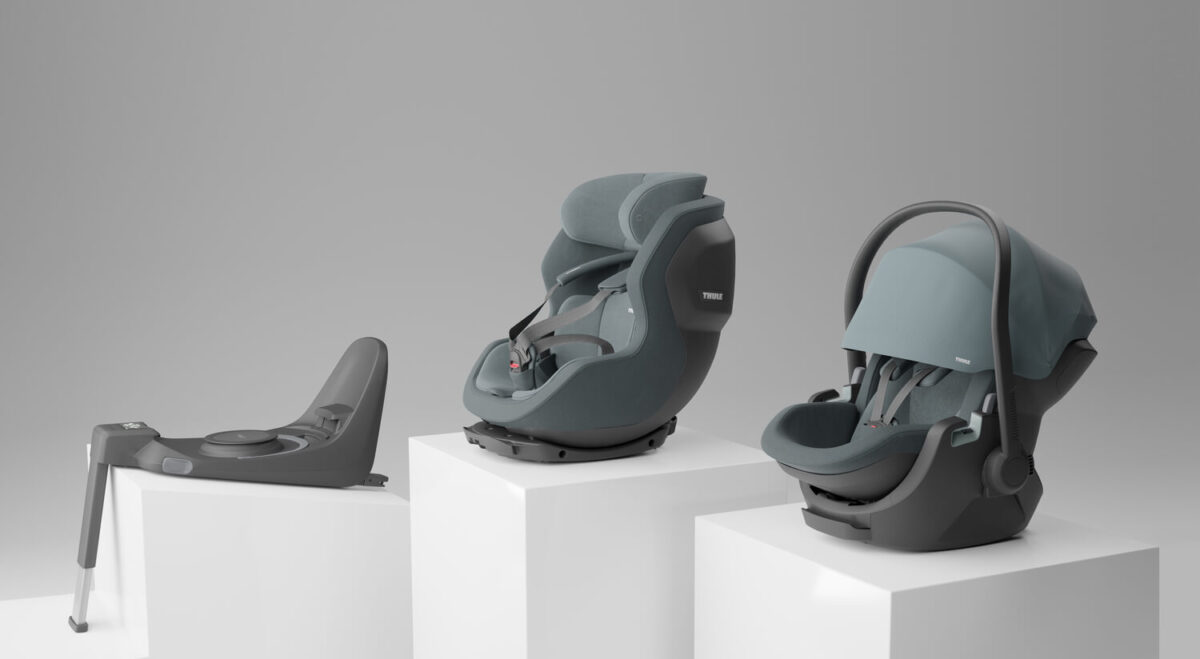
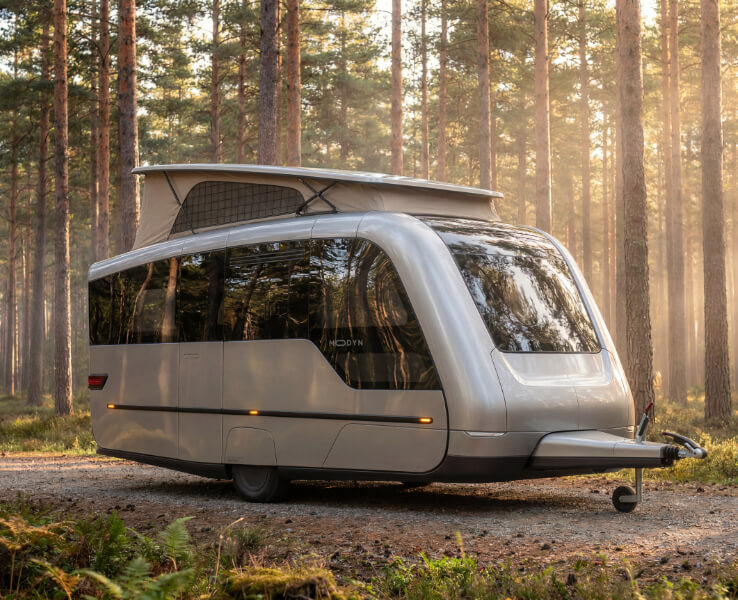
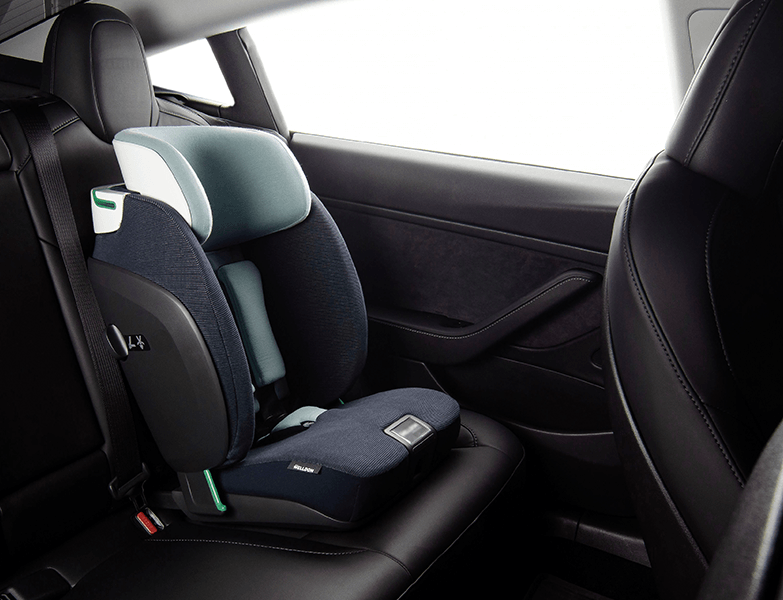
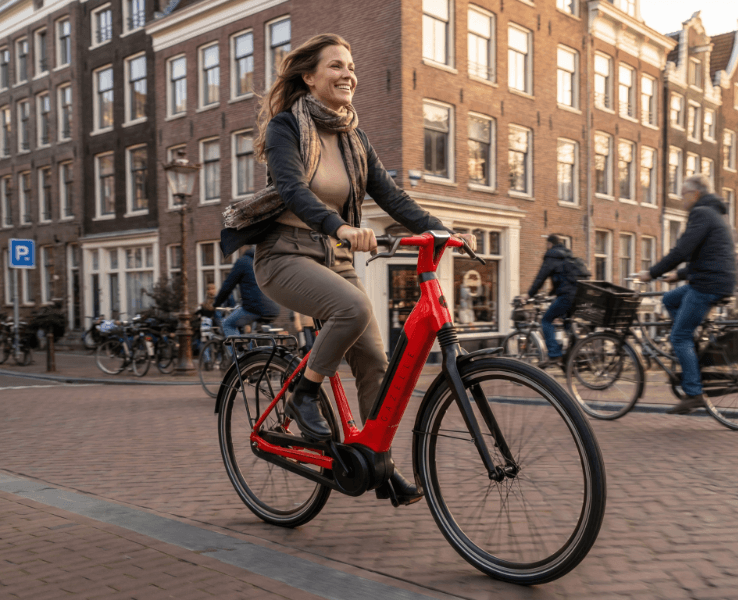
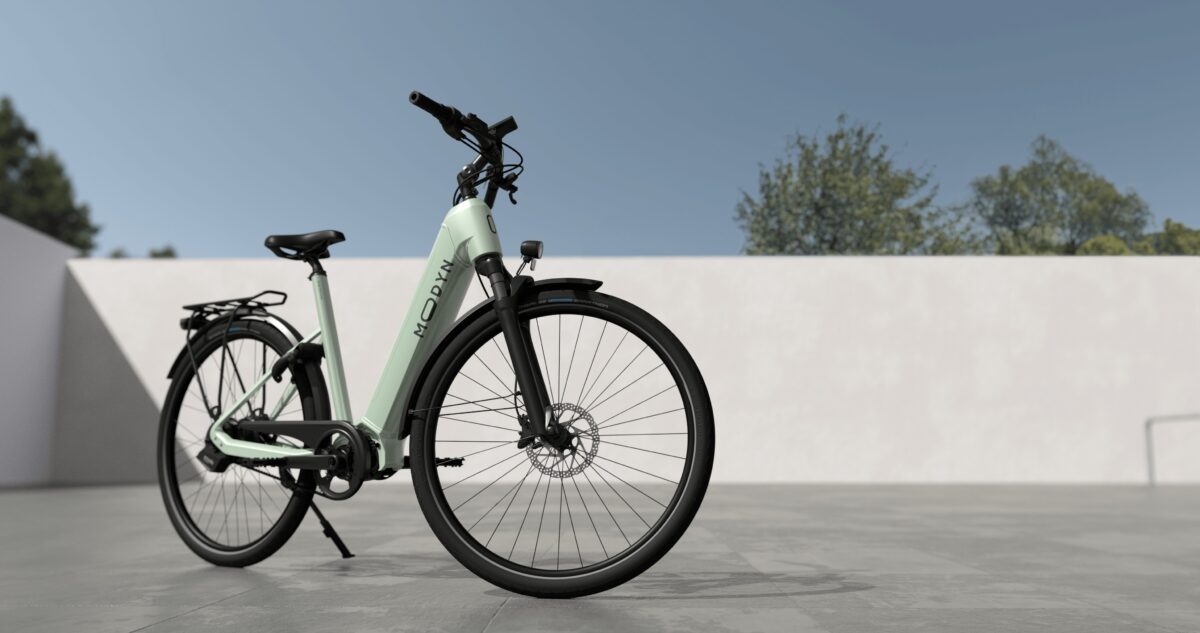
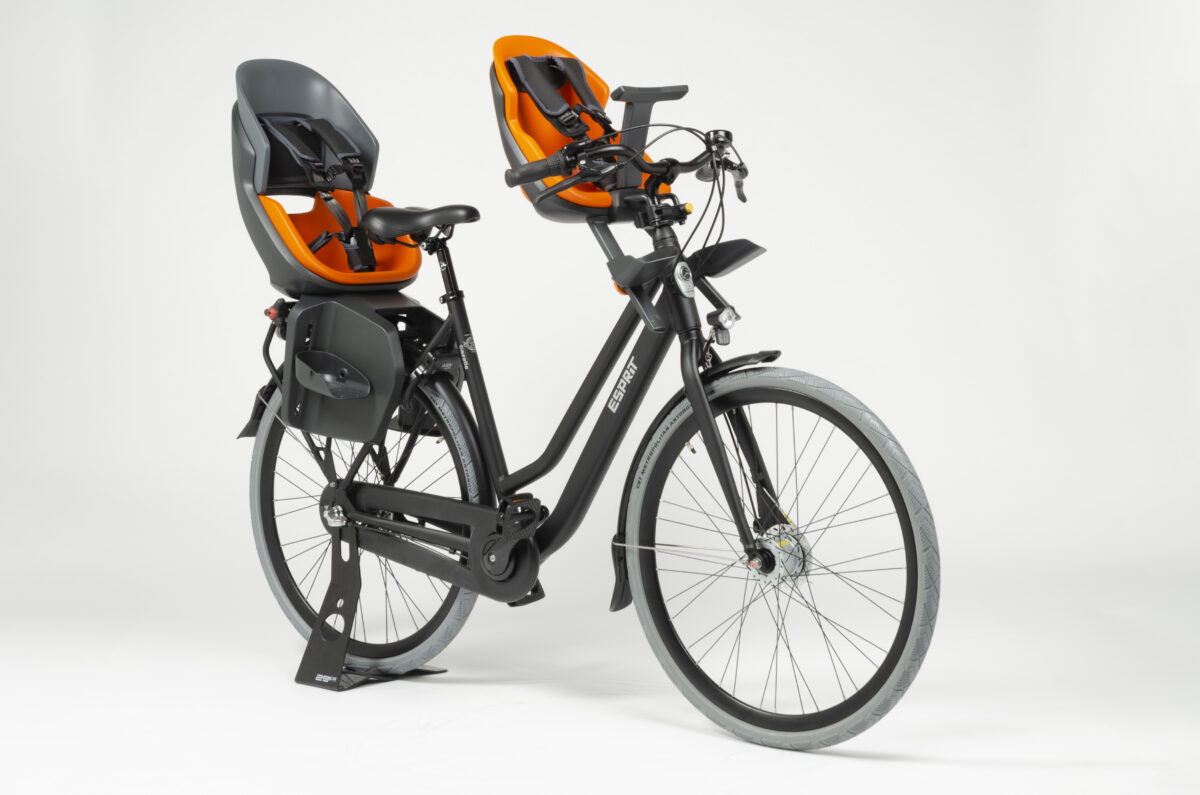
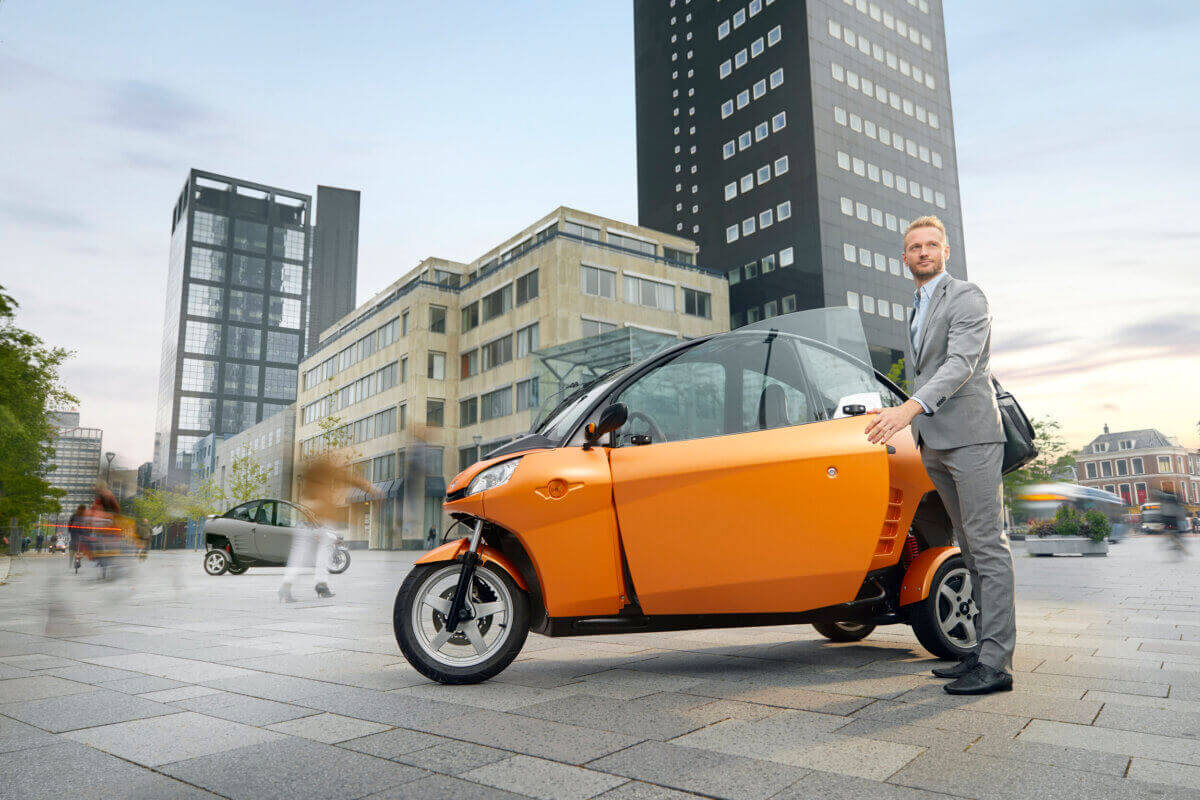
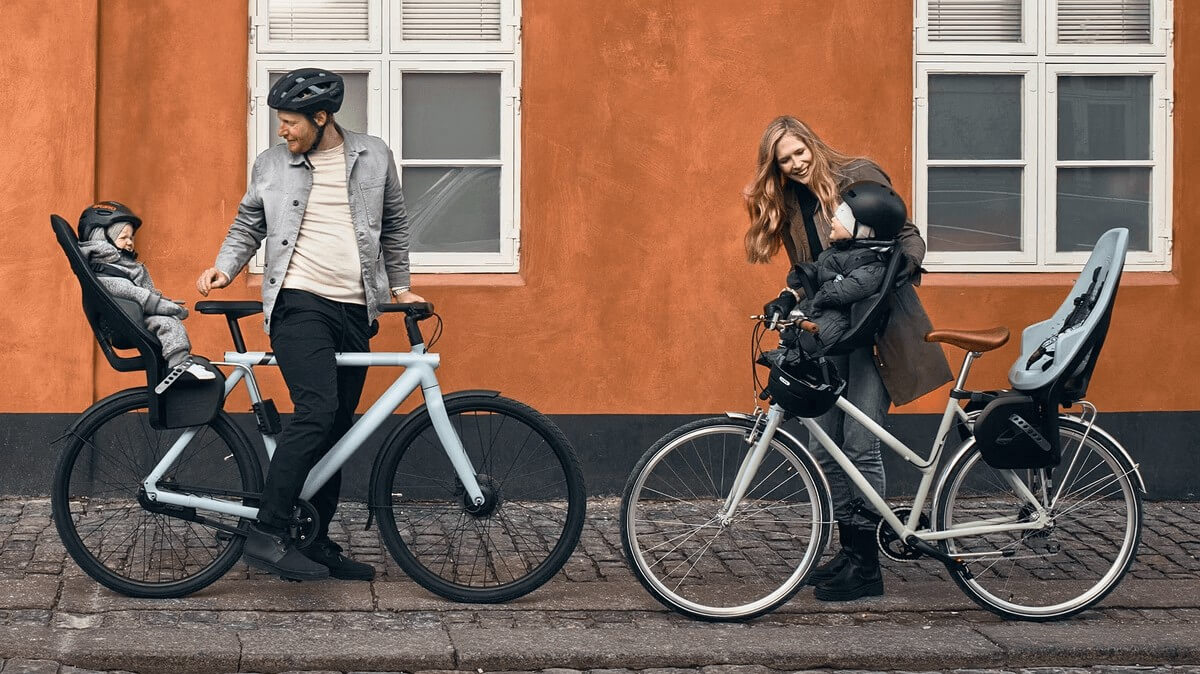
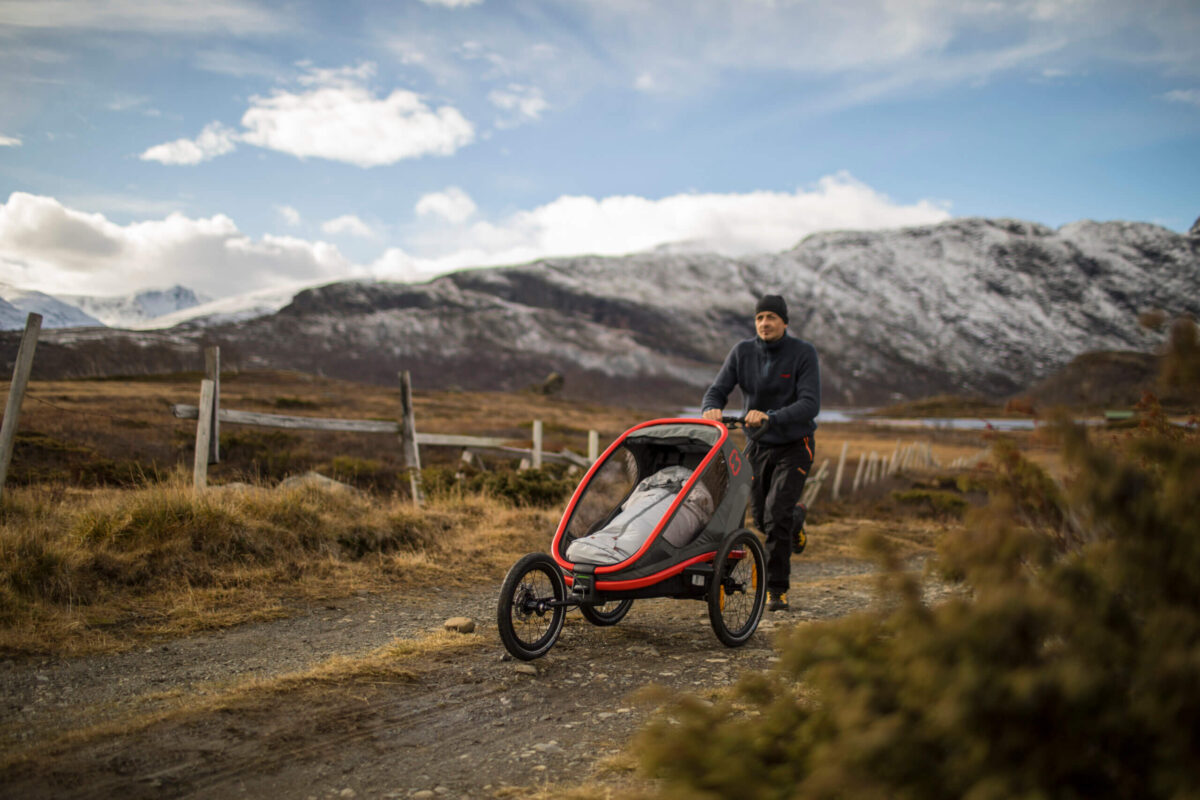
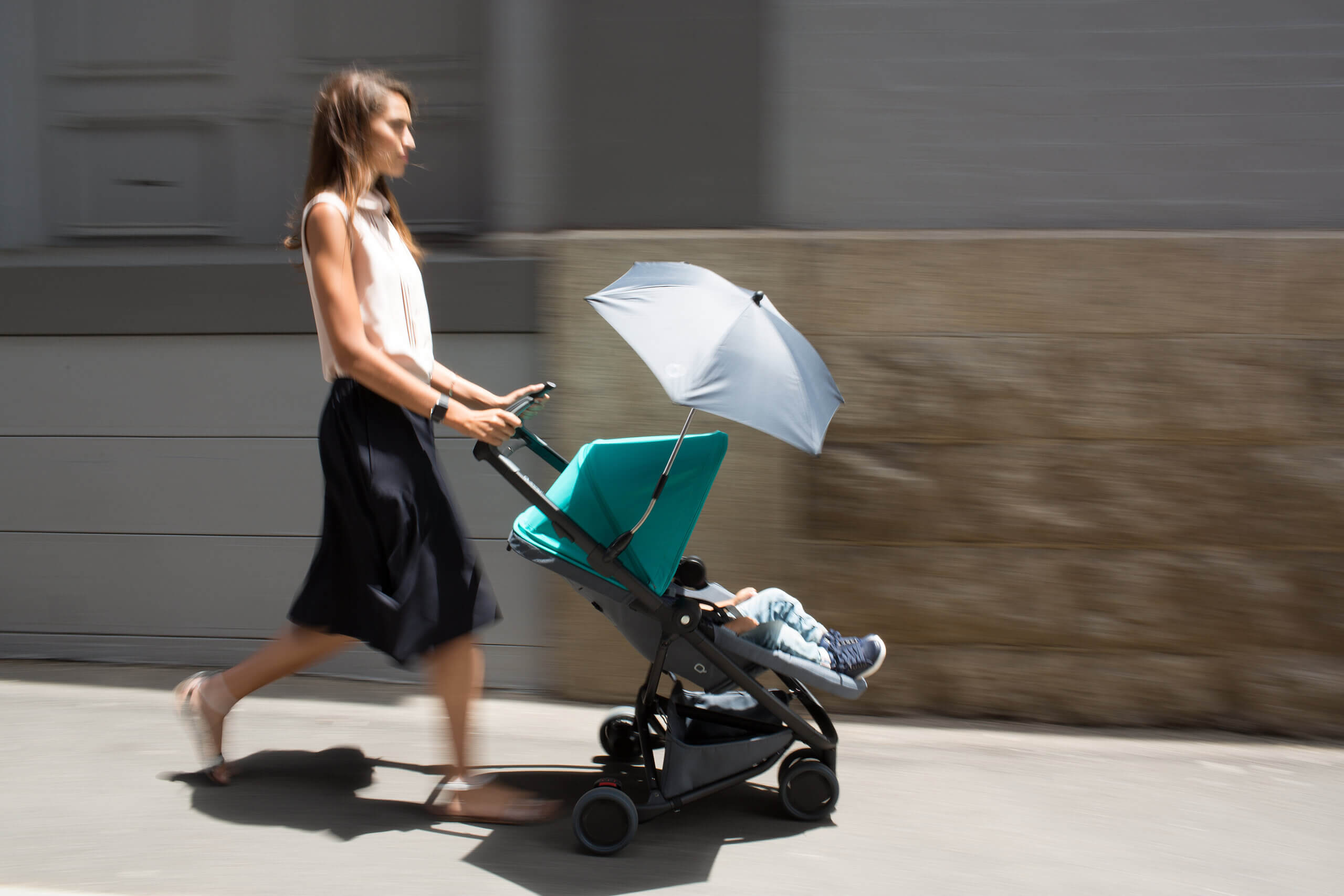
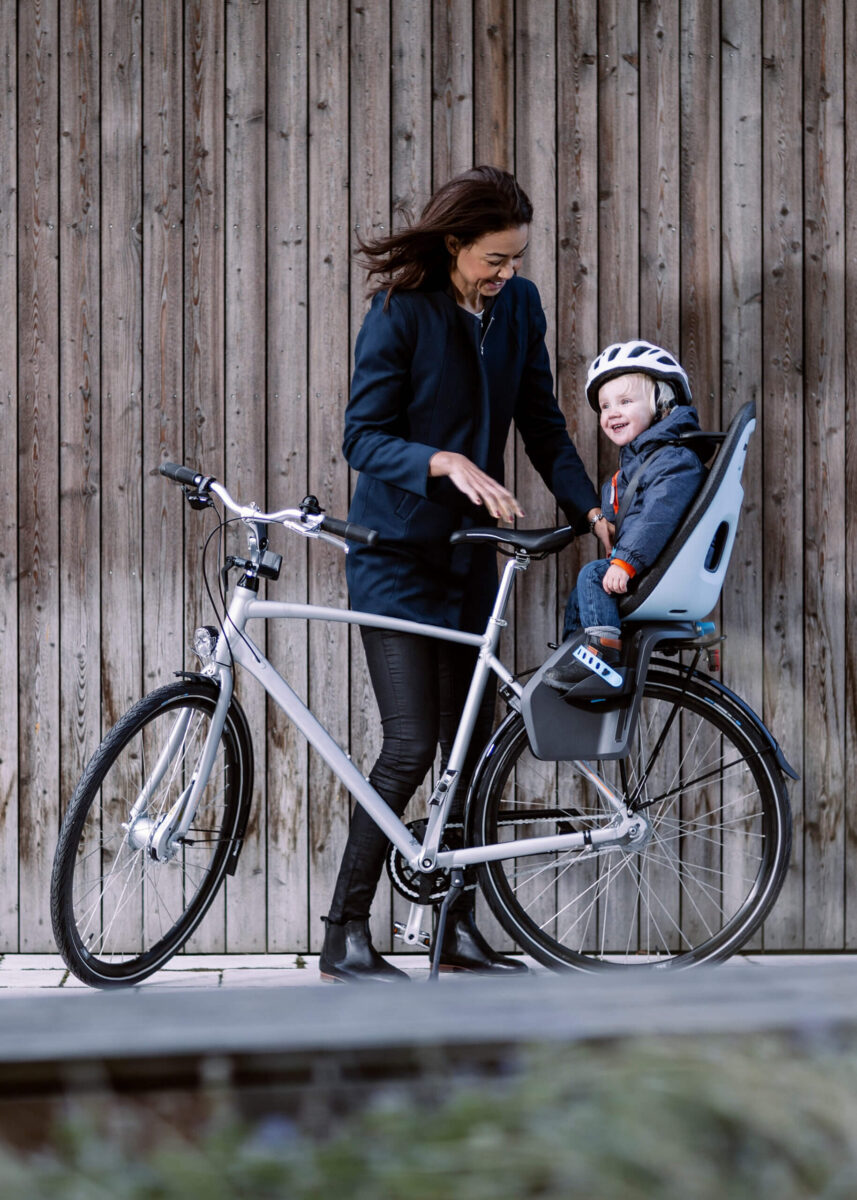
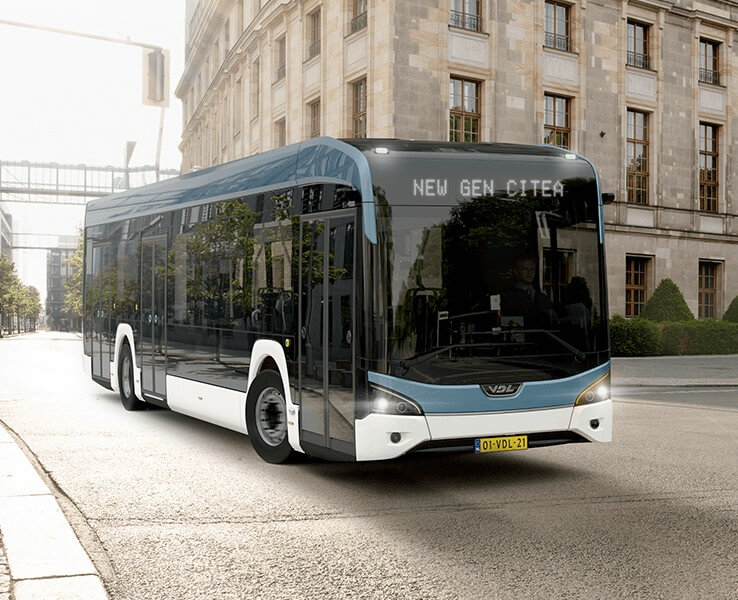
MODYN — founded in 1984 — develops bicycles, family mobility and child-transport systems. Strategy, design, engineering and CMF work under one roof, in one project team; products developed here are in serial production with Gazelle, Thule, Maxi-Cosi and VDL. We frame the challenge first and agree the product architecture before design begins, so decisions about interfaces, mechanisms and product families are made before they become expensive to change. Our product development process runs in five steps — Frame, Architect, Shape, Prove, Build — from first brief to scalable production.

We frame the challenge before we solve it: what the product must achieve, for whom, at what cost and in which market. We study users and competitors, write the requirements and test the business case. A sharply framed programme needs fewer loops later — and tells you early whether the product is worth building.
- Goals and business case
- User and market research
- Competitor and trend analysis
- Requirements definition
- Design brief
- Early feasibility check
With the frame agreed, we draw the product architecture: how parts interface, how mechanisms move, and which elements carry across a product family. Those choices set cost, weight, tooling, durability and how the product will be made. Agreeing them before design begins gives all disciplines one framework to work in. Every product we take into production stands on an architecture agreed here.
- Product architecture
- Packaging and layout studies
- Interface and mechanism concepts
- Product-family and platform decisions
- Cost, weight and tooling targets
- Certification route go/no-go
- Architecture Sprint
Within that architecture we give the product its form. We sketch, develop concepts and choose the colours, materials and finishes that carry your brand onto the shelf and into the hand. Models and mock-ups let you judge proportion, stance and detail in the real world rather than on screen. The aim is a product people want to own and find obvious to use.
- Design sketching
- Concept development
- Exterior and interior styling
- User experience design
- CMF direction
- Design language application
- Model building
We build to learn. We engineer the details and the mechanisms, then make prototypes and mock-ups in our own workshop, a few metres from the design team. Riders, parents and other users try them, and what we learn goes back into the design. Feasibility and cost are checked as we go, so risks surface in the studio — not after tooling is committed.
- Detail engineering
- Mechanism development
- User testing on prototypes
- Feasibility and cost assessment
- Design iteration
- Visualisations
We hand over data a factory can build from: production-ready CAD and Class A surfaces. We help you identify suppliers and stay in the conversation with them, review silver and golden samples, and support CMF during production. Through ramp-up we keep watch on the details that carry the design intent, so the product leaving the line is the one you approved.
- Production-ready CAD
- Class A surfacing
- Supplier identification and liaison
- Silver and golden sample reviews
- CMF support in production
- Design intent control
- Production ramp-up















Creative, strategic partnerships
Most clients start with a project: a defined brief, a named team and an agreed result. Others place our designers and engineers inside their own team for a period, adding capacity where it is short. When the route is not yet clear, an Architecture Sprint is a defined first step that settles the architecture before larger budgets are committed. We are also open to licence and royalty structures for the right products.