JIM electric autonomous tractor
- Case JIM Electric Autonomous Tractor
- Client Agrometius
- Industry Agricultural
Across Northern Europe, farmers are facing increasing pressure from labour shortages, rising operational costs, stricter environmental regulations, and the growing impact of climate change. At the same time, agricultural businesses continue to scale up, requiring larger areas of land to be managed with fewer available resources. These challenges are driving the need for smarter, more efficient farming solutions.
This concept study by MODYN explores a future vision for agricultural mobility through an autonomous electric tractor concept. Designed around the evolving needs of modern farming, the project investigates how automation, sustainable propulsion, and intelligent field operations could help farmers increase efficiency, reduce environmental impact, and adapt to the changing demands of the agricultural industry.
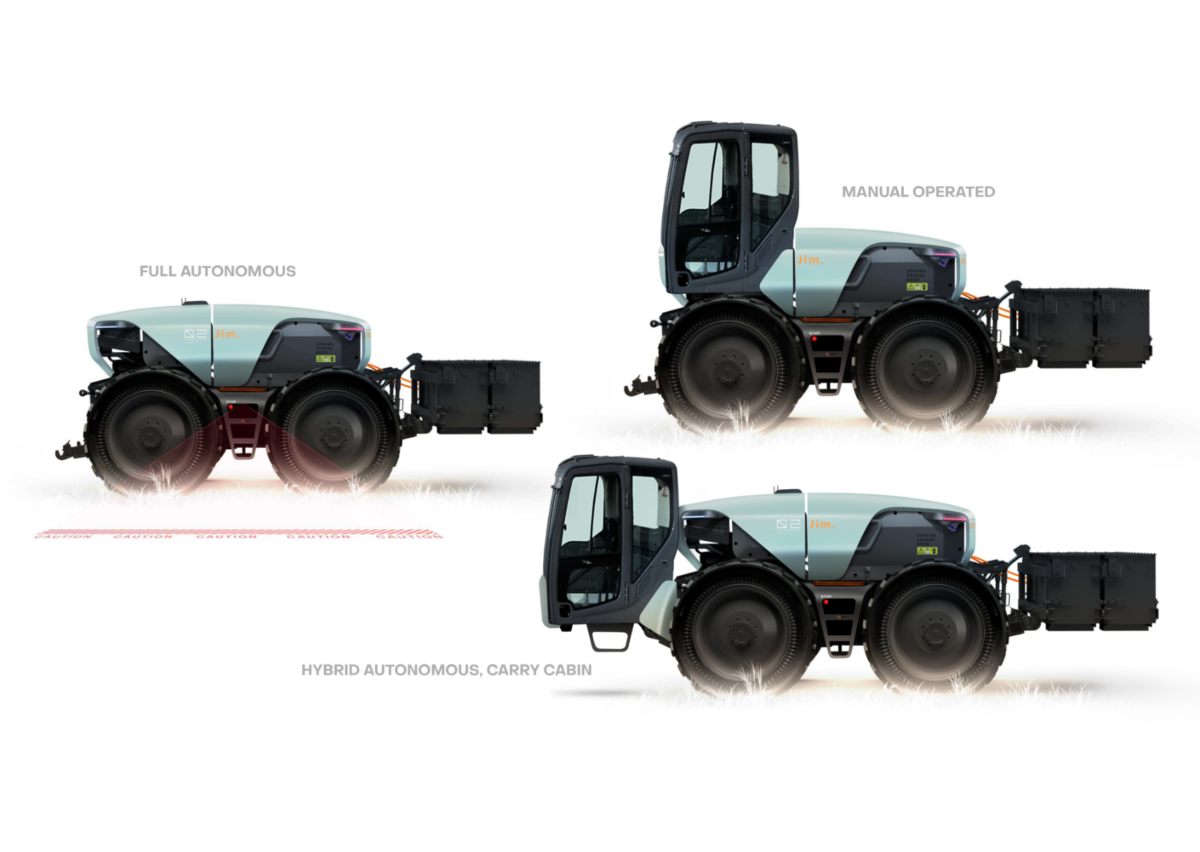

The Directioning phase focused on redefining the agricultural vehicle from the ground up. Rather than adapting existing tractor architectures for autonomous operation, the ambition was to create a purpose-built platform designed around the opportunities of electrification, autonomy, and future farming practices.
Key objectives included reducing dependence on labour, enabling continuous operation, supporting a wide range of agricultural tasks through modular implement interfaces, and creating a vehicle that could safely and intuitively interact with the people working around it.

Research explored the challenges facing modern agriculture alongside emerging developments in autonomous mobility, electrification, and human-machine interaction. Existing tractors were analyzed to identify architectural limitations that originated from decades of operator-centric design. This revealed opportunities for a more compact vehicle with greater flexibility, improved weight distribution, and a modular approach to tool integration.
Particular attention was given to how autonomous machines communicate with nearby users, recognizing that trust, visibility, and approachability are essential for successful adoption in agricultural environments.
The research insights were translated into a design brief centred around three core principles: autonomy, adaptability, and human-centred interaction. Rather than designing a conventional tractor, the goal became the creation of a compact electric agricultural platform capable of supporting a wide range of field operations.
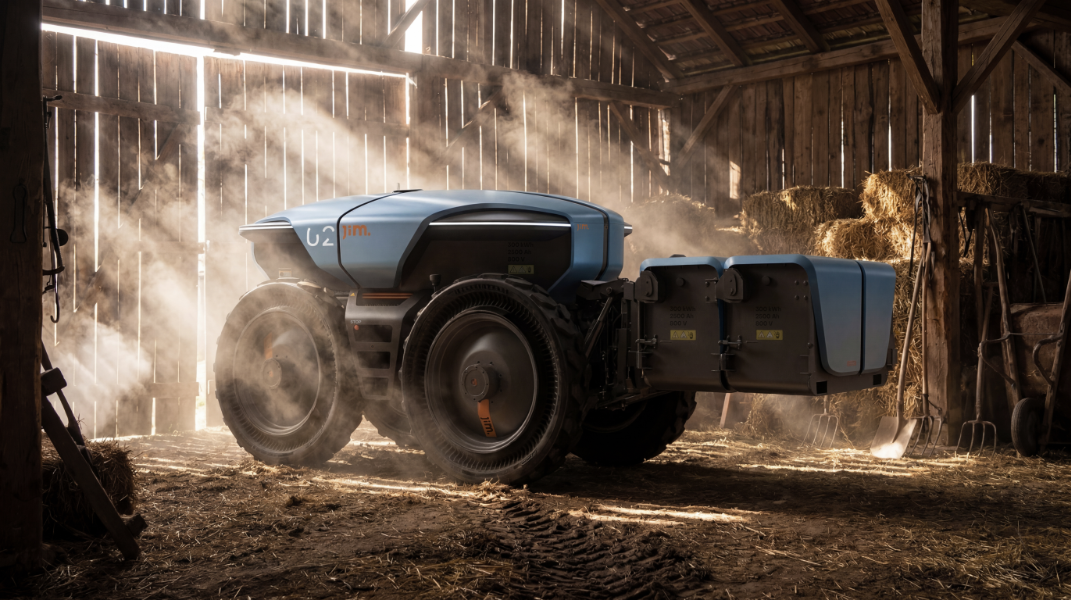
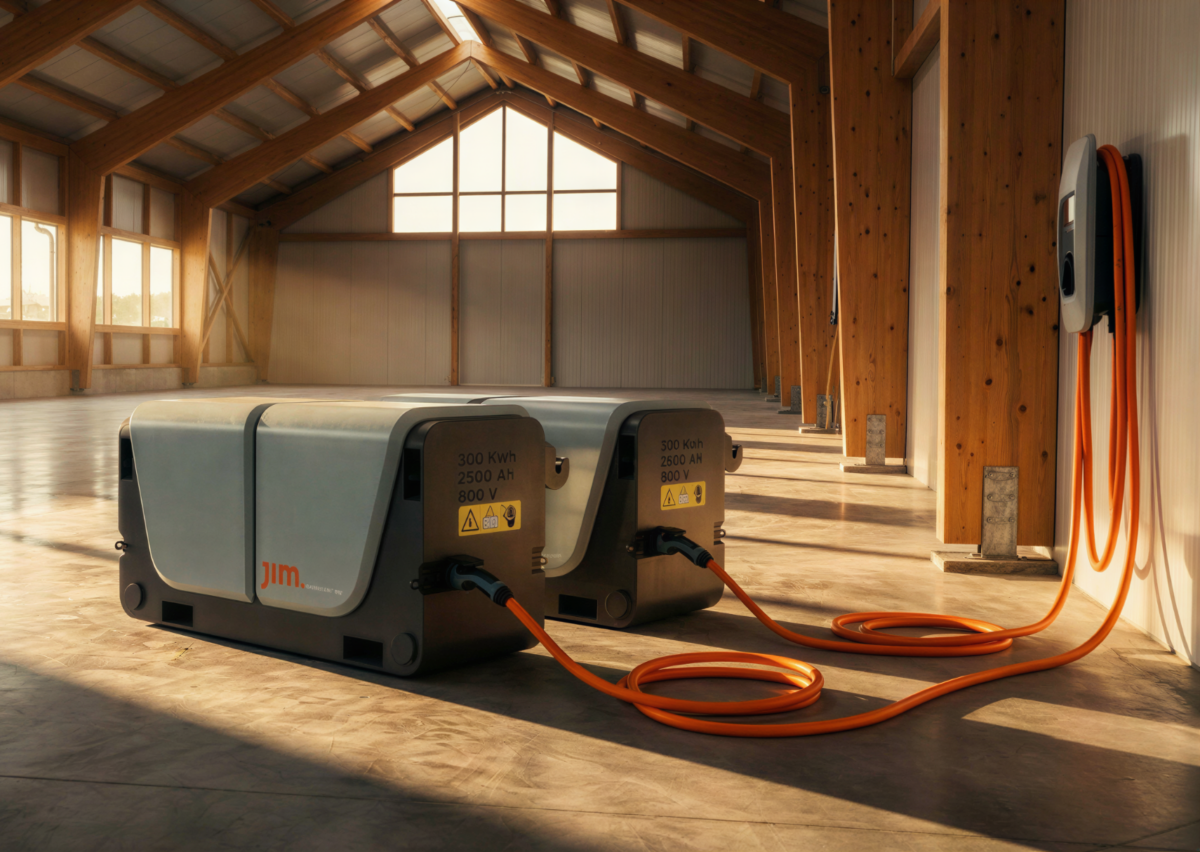
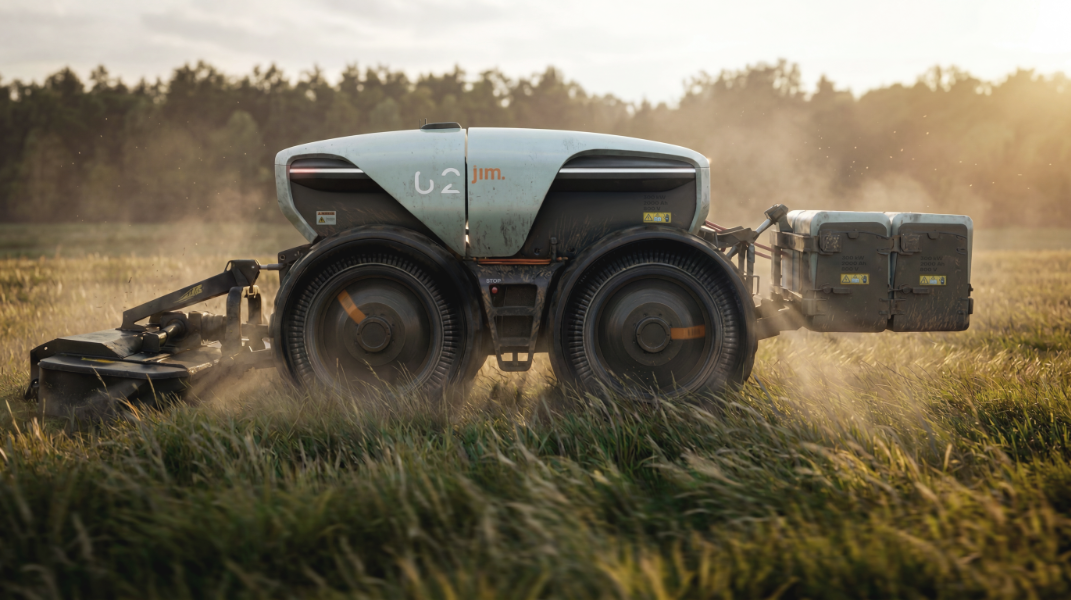
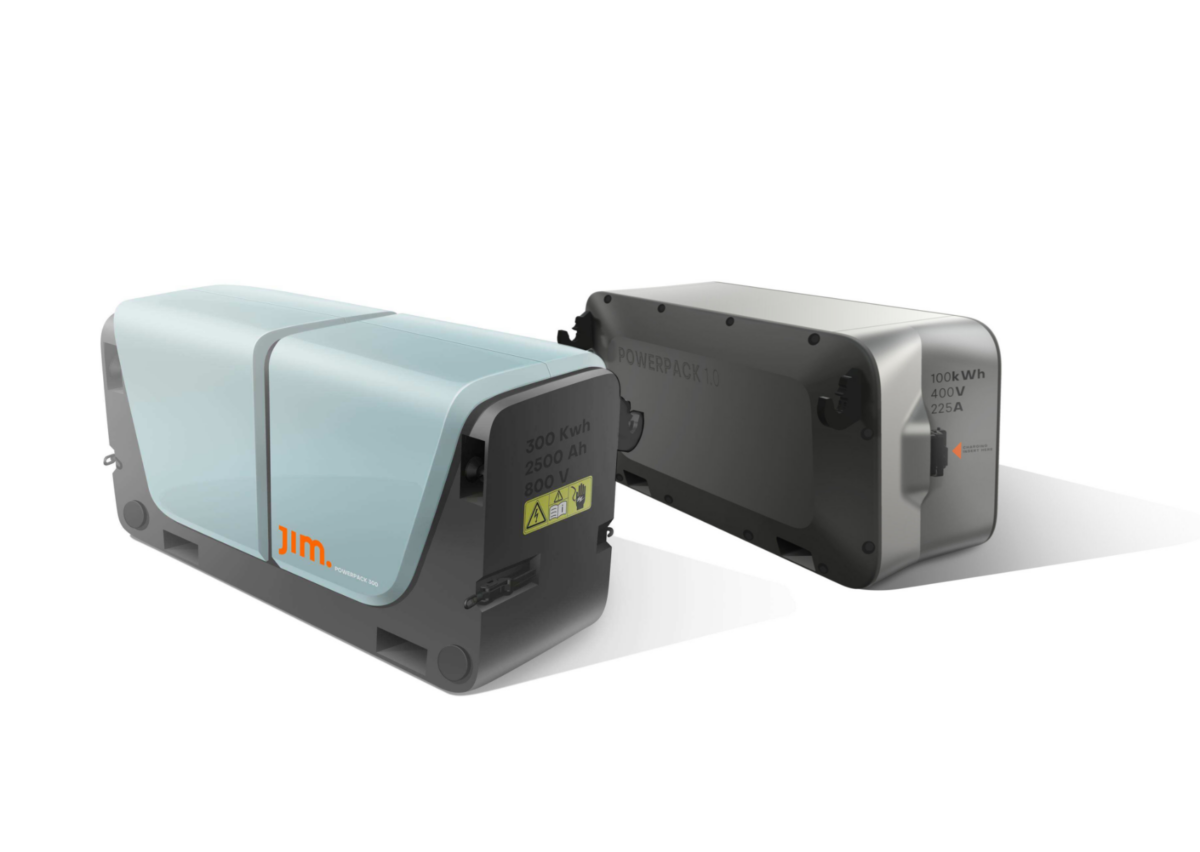
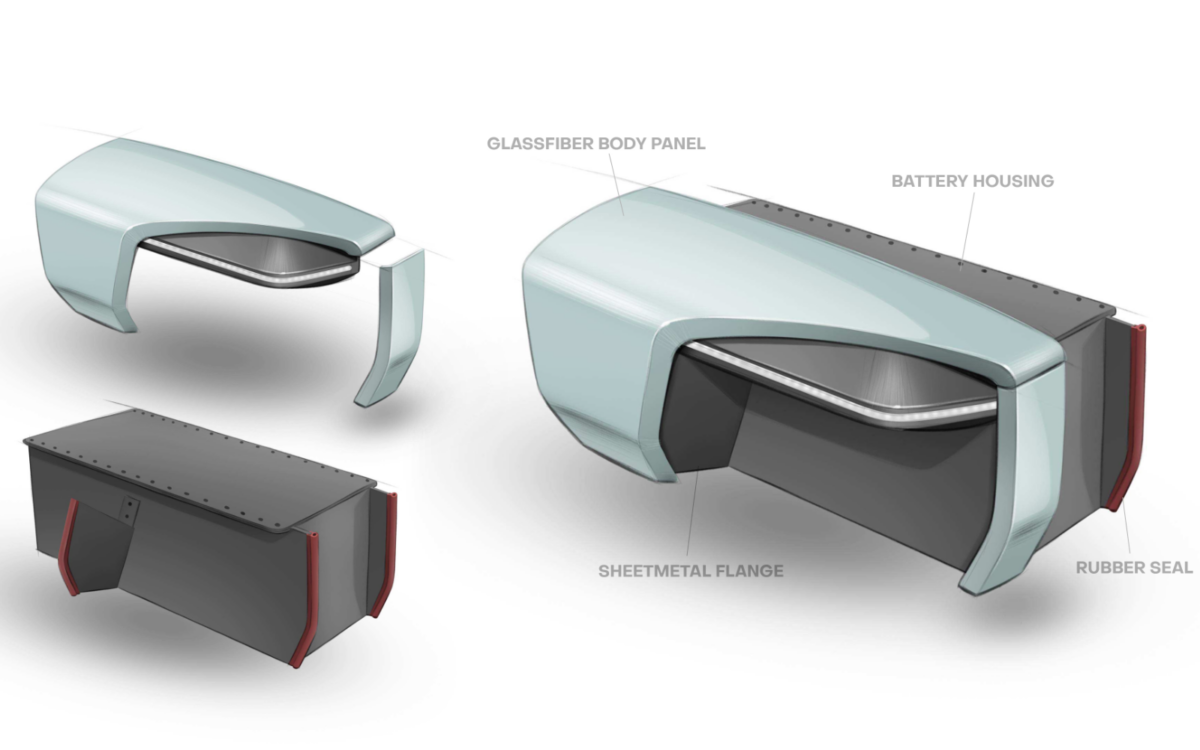
The concept combines in-wheel electric motors, four-wheel steering, an articulated chassis, integrated battery modules, and modular front and rear implement interfaces with dedicated electric power delivery. Additional battery modules can be mounted to the front interface, extending operational range while simultaneously serving as a counterweight for rear-mounted implements. The vehicle is guided by a combination of GPS, cameras positioned around the chassis, and LiDAR systems that enable precise and autonomous operation in complex field environments. Together, these elements enable highly manoeuvrable, adaptable, and precise performance across a variety of agricultural tasks.
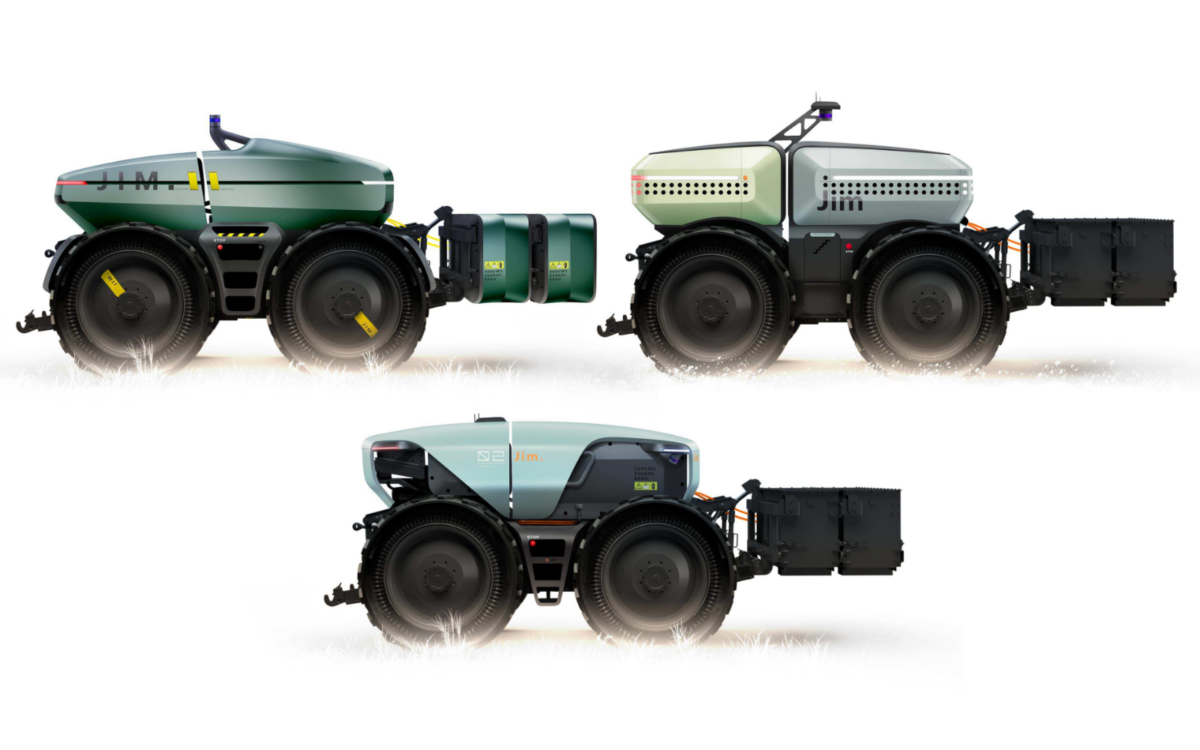
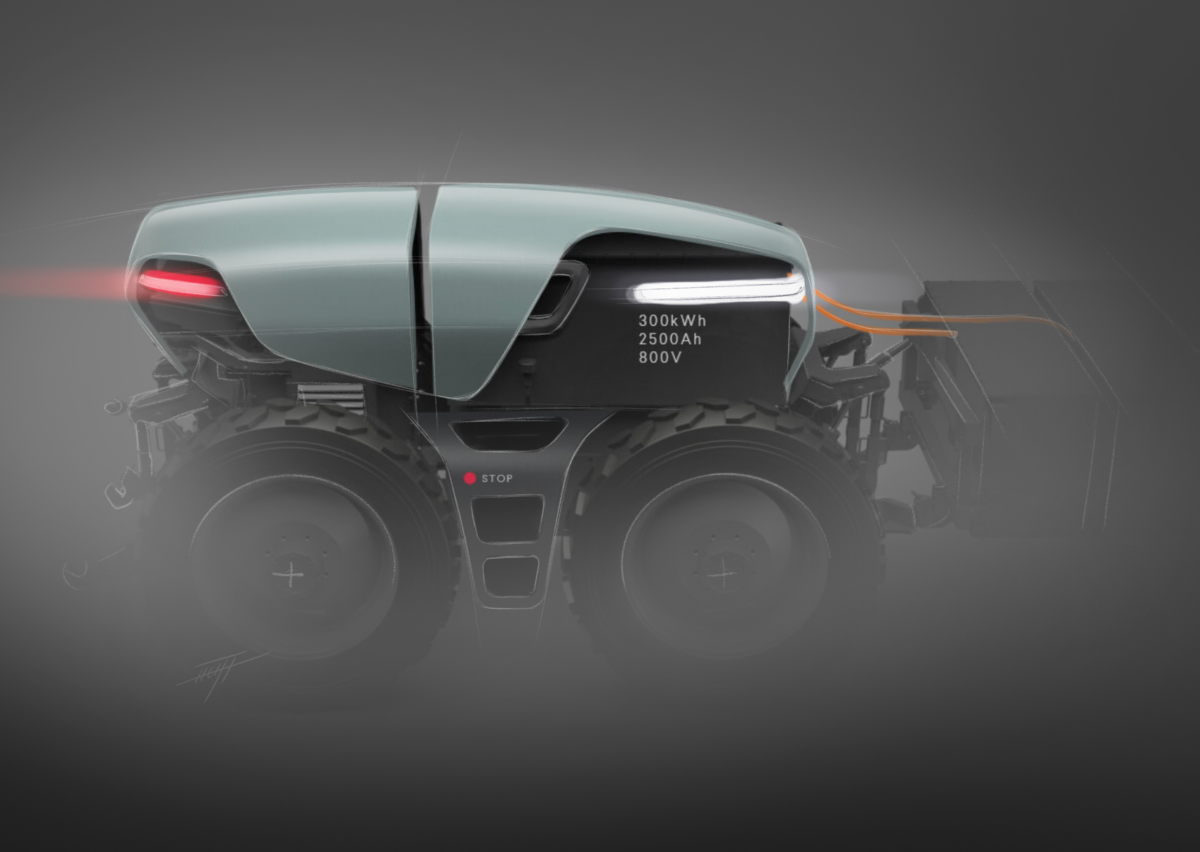
The resulting design language was driven by a deliberate balance between exposed engineering and visual clarity. Inspired by the honesty and functional expression found in motorcycle design, the vehicle embraces a more open and mechanical aesthetic where key systems remain visible and legible. This transparency reinforces the autonomous nature of the platform, making its behaviour more understandable to those working around it.
At the same time, technical elements are carefully framed and partially enveloped by softer, protective volumes, creating a balance between mechanical complexity and approachability.
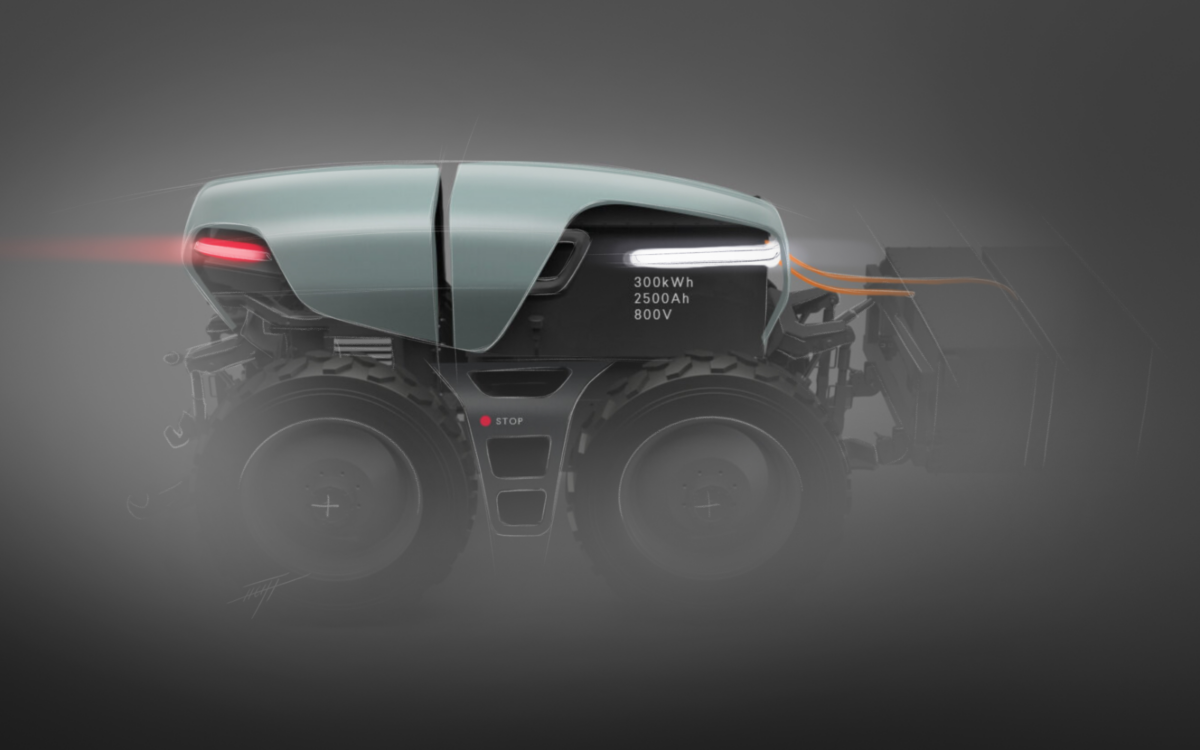
Equally important was the development of a visual language that supports trust and clarity in human-machine interaction. As autonomous vehicles become increasingly present in agricultural environments, communication and predictability were identified as key design challenges.
Through lighting, clear directional cues the vehicle communicates its status, orientation, and awareness of nearby users, ensuring it remains understandable and approachable in dynamic working conditions. This approach is reinforced by the project’s name, Jim, a human name chosen to position the vehicle not just as a machine, but as a virtual colleague that helps you in the field.