Architecture Sprint: decide on architecture, not on gut feeling

What is the Architecture Sprint?
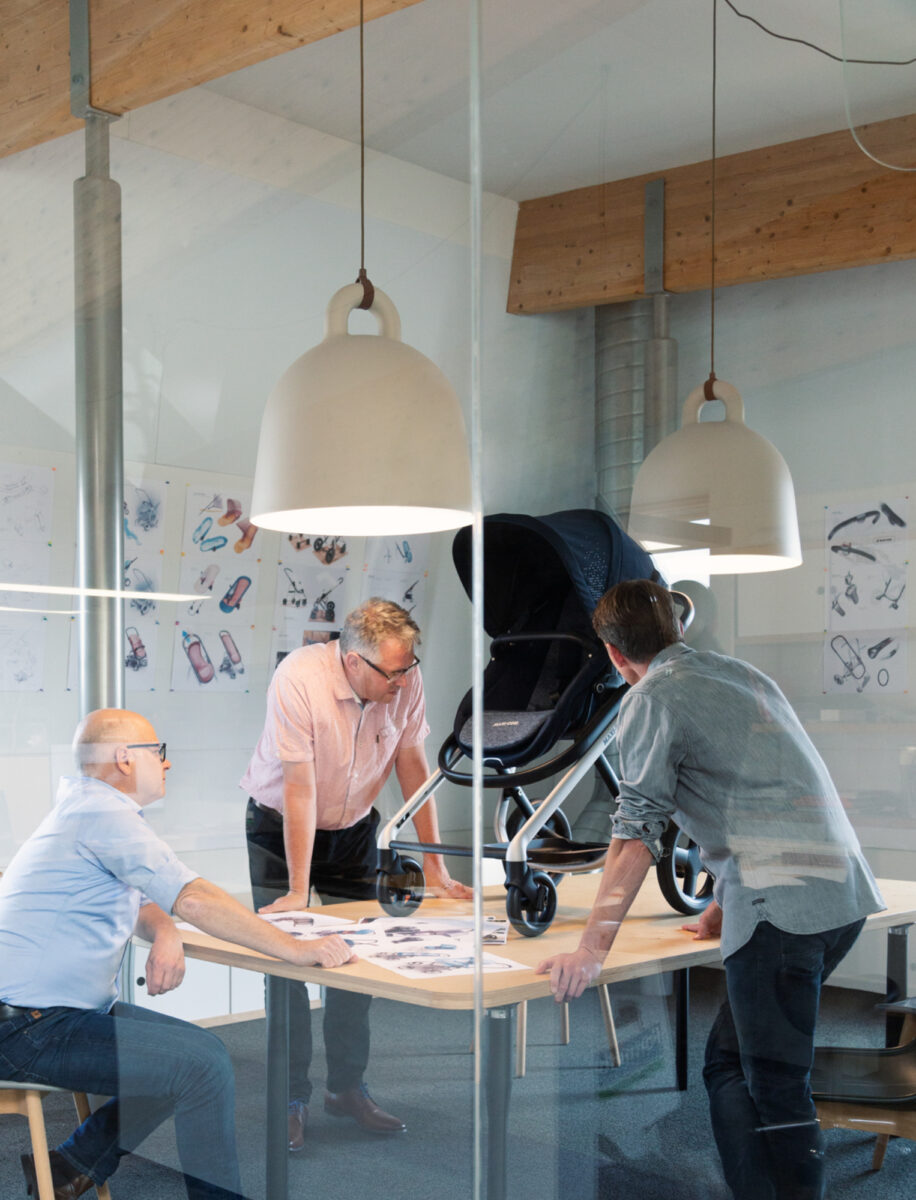
A fixed-scope first step for a platform decision you have to make now: a new product, a next generation that must carry more variants than the last, a category you are entering, or a programme that has been circling for months. After a fit call we confirm the targets with you: what the product must achieve, for whom, at what cost, in which markets and under which requirements. We fix the length and the fee at that call: one week for one product with the variants known, two weeks for a product family, three weeks for a platform that must carry several sizes, variants or brands. A senior engineer and a senior designer then work the sprint with your product lead in the room, from our studio in Geldermalsen.
It is the defined first step of Architect in our five-step process. Shape, Prove and Build follow inside the architecture you have agreed, with us or with your own team. The sprint sets the material direction, because the main material choices decide cost, weight and tooling, and marks where colour, material and finish can set variants apart. The CMF direction itself is decided afterwards, in a CMF Sprint or as the CMF work package.
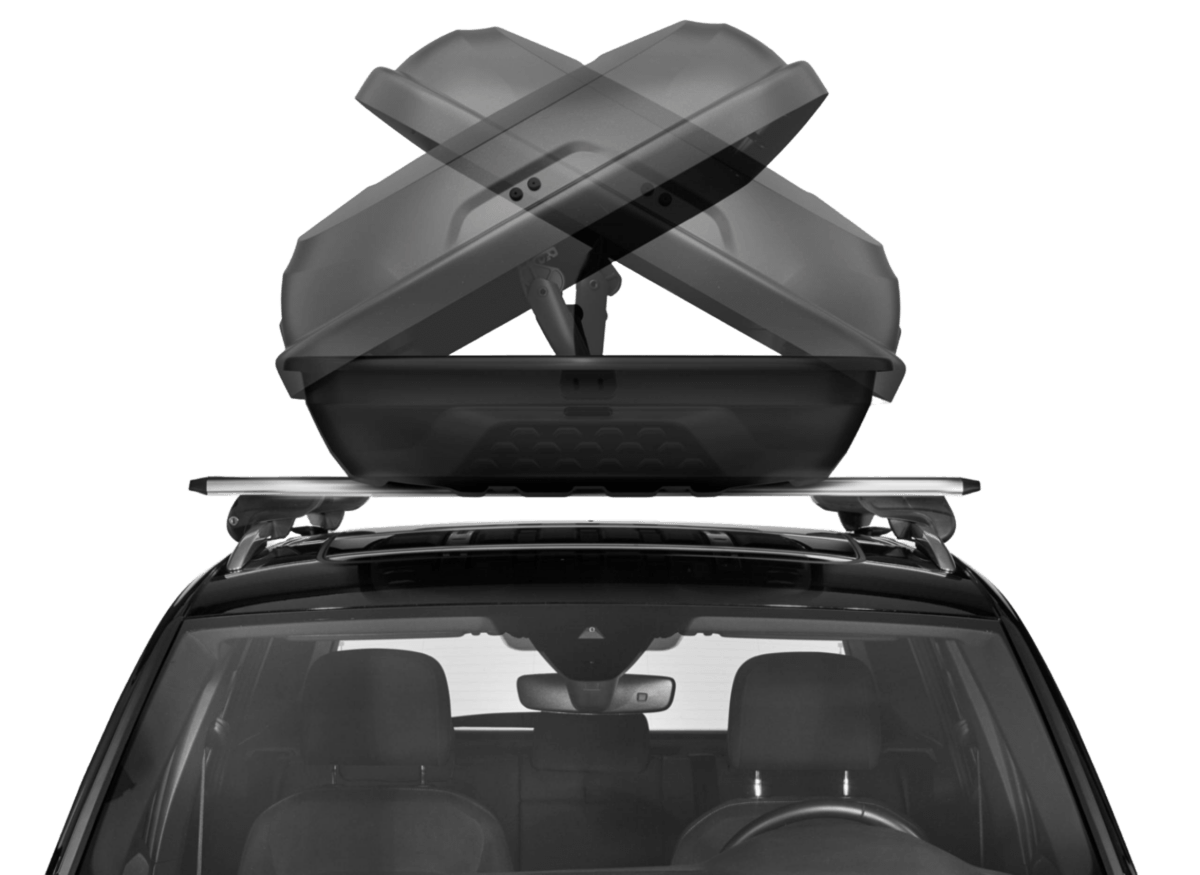
When it fits
- A new product or platform where cost, weight and the number of variants are still open
- A next generation that has to carry more sizes, variants or brands than the last
- A category you are entering, with competitors you can name
- A programme that has been circling for months without a decision on platform, variants or budget
- Product, engineering and commercial stakeholders who have to agree before tooling, a design team or a supplier is chosen

What we do
Every sprint starts by confirming the targets. You bring them: what the product must achieve, for whom, at what cost, in which markets and which requirements it must meet, including the EU product rules it will be sold under. We check and sharpen them and run a first feasibility check against what competitors already do. If the targets are not yet clear, we run a Frame session first, quoted separately, before the sprint starts.
- One week lays out the architecture direction: the modules, the interfaces between them, the packaging and the main material choices, with the risks named. You leave with the scope brief and the timeline for what follows.
- Two weeks add the family logic: which sizes, variants and brands one core can carry, what stays common and what changes, with a cost, weight and tooling target per module.
- Three weeks add the plan: the work packages defined, scoped and sequenced, the schedule to production and future variants, and a decision session with your own stakeholders in the room.
We lay out the structure and the options within it; we do not design the parts.
What you receive
Every sprint:
- The module layout and the interfaces between modules
- The packaging and the material direction
- A feasibility and risk list
- The scope brief and the timeline for what follows
A two-week sprint adds:
- The family matrix: which sizes, variants and brands one core carries, what stays common and what changes
- Cost, weight and tooling targets per module
A three-week sprint adds, and completes the Architecture Pack:
- The work packages, each with its scope, in sequence
- A schedule to production and future variants
What you receive is the brief for everything that follows, with us or with your own team. Who owns it follows the route you choose at the fit call: the architecture is yours for a fee, or, for the right products, we keep it and license it to you.
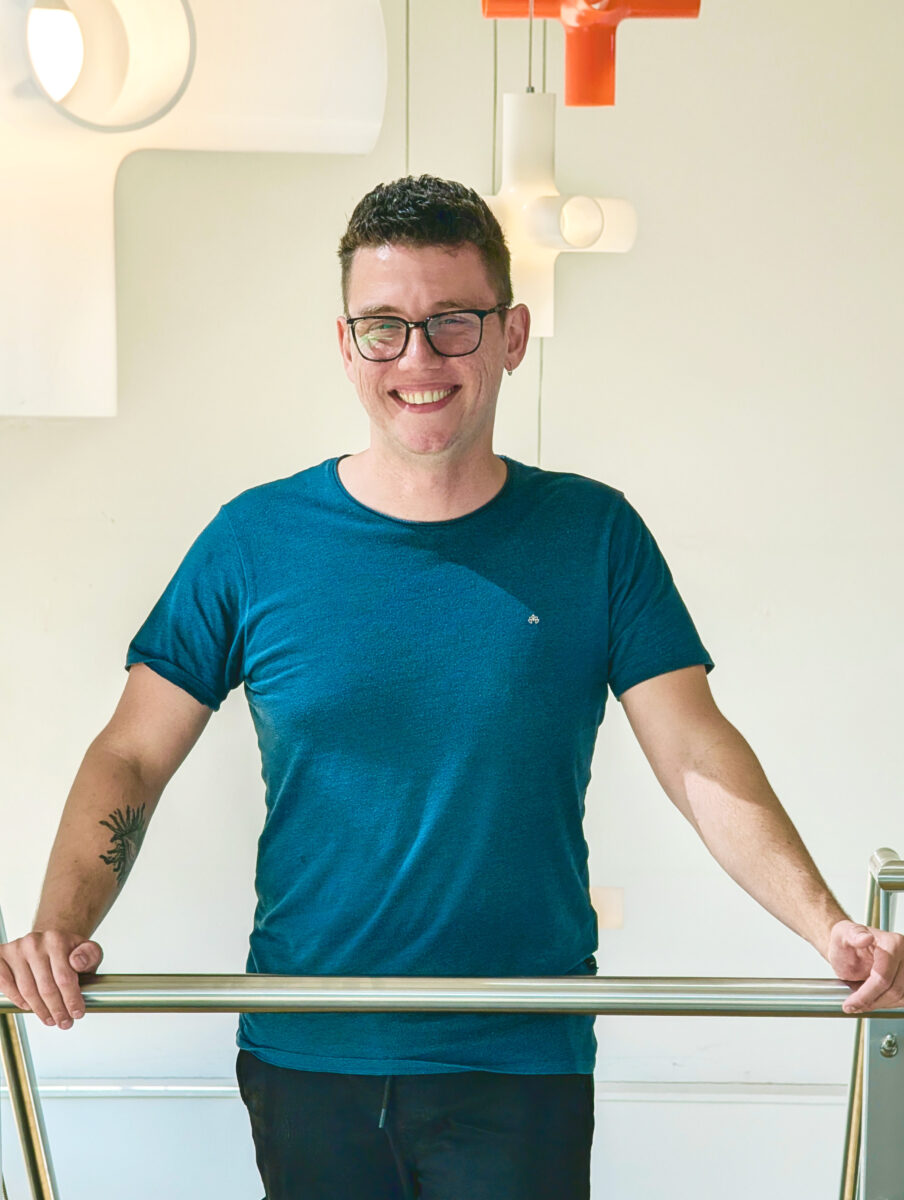
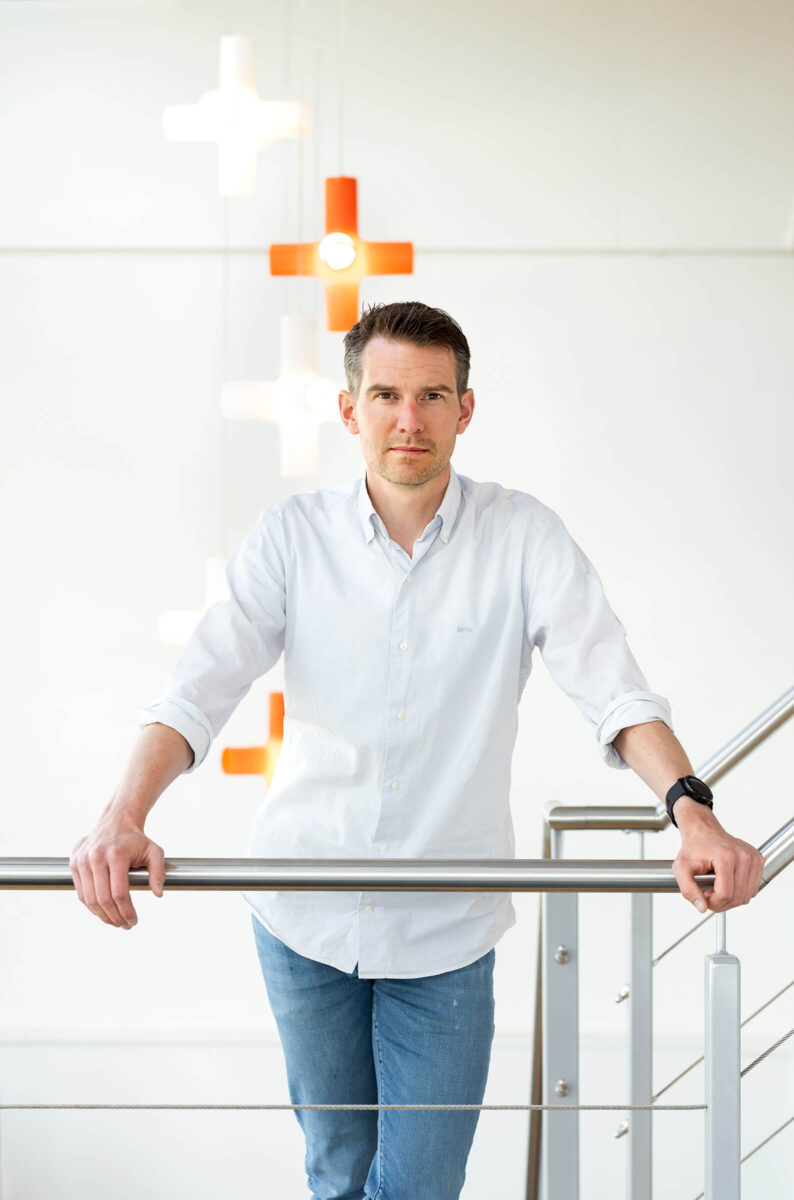
Your sprint lead: Olavo Monken, Lead Design Engineer
Olavo Monken leads design engineering at MODYN. He works on the load paths, joints and interfaces that decide what a product costs, what it weighs and how many sizes and brands one core can carry. He runs the sprint with a senior designer, so that load paths, interfaces and variant logic are settled with your product lead before anyone draws the form.
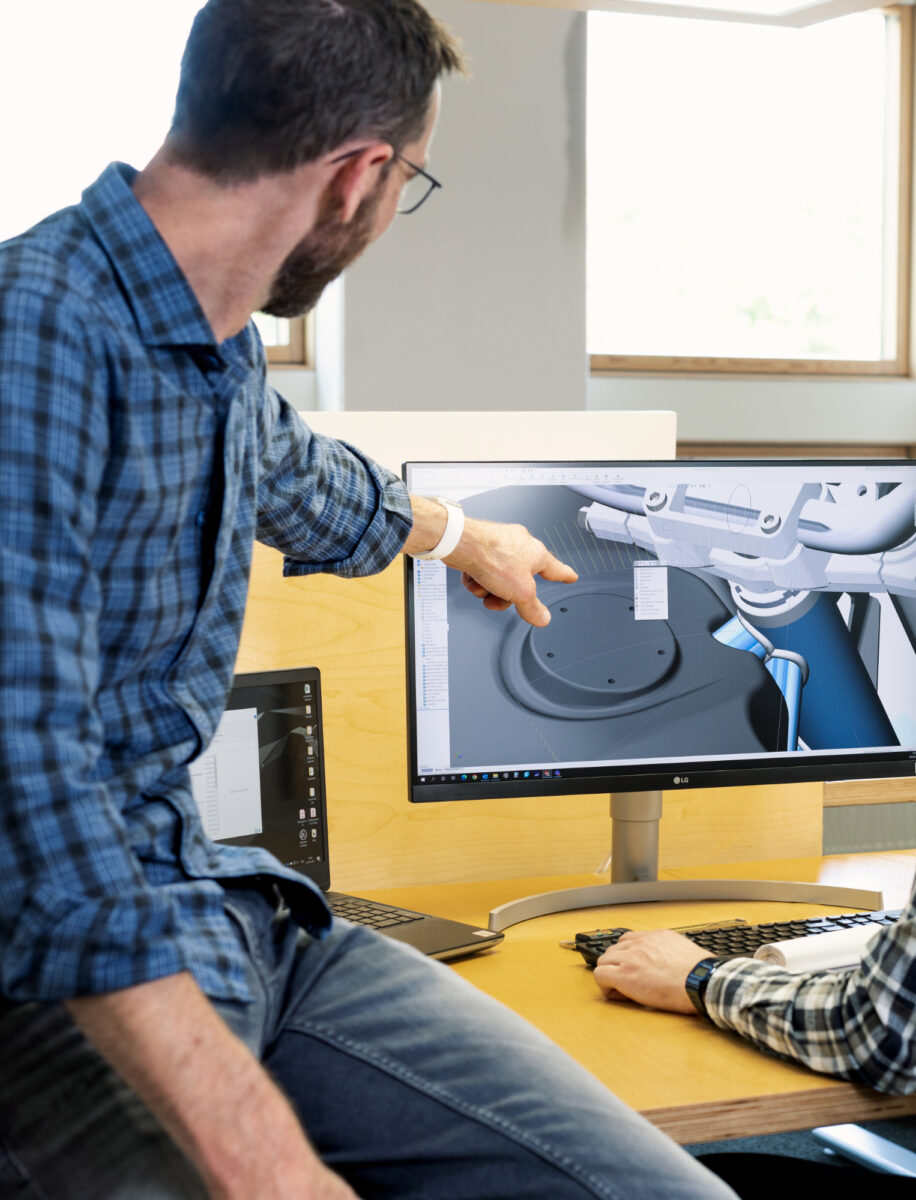
Who should take part
Your product lead, throughout the sprint. In a three-week sprint, at the kick-off and the decision session, the people who will decide: product, engineering and commercial.
What to bring: your targets for cost, weight, markets and launch; existing CAD, samples or supplier information; the competitor products you measure yourself against; and the EU product rules the product will be sold under.

Investment
An Architecture Sprint starts from €10,000 excluding VAT for one week with a senior engineer and a senior designer. Two- and three-week sprints are fixed at the fit call, depending on the number of sizes, variants and brands the architecture must carry. The fee includes the confirmation of the targets, the sprint at the MODYN studio in Geldermalsen and the deliverables for that length. Half is invoiced at signature, half at delivery. A Frame session, detail engineering, CMF, prototyping and the Prove step are quoted separately.
You commit to the sprint, not to a programme. What you decide afterwards, you decide on the basis of the architecture.
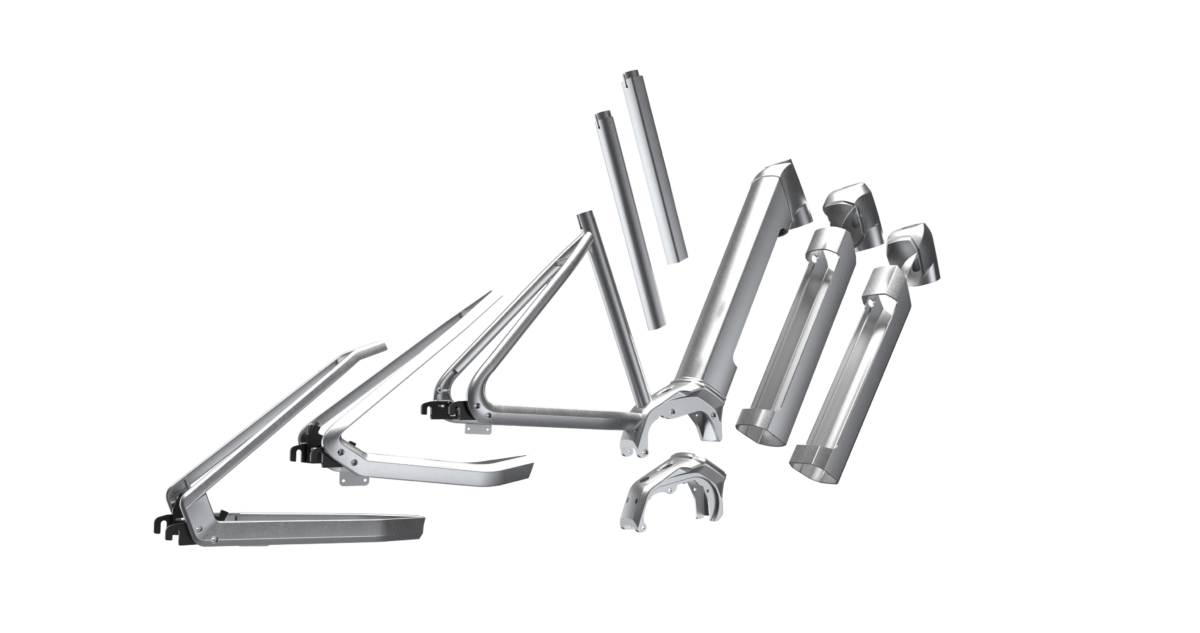
VDL Bike Frame Technologies: one frameset, three designs.
VDL is building bicycle frame production in the Netherlands, in a fully automated plant. The brief to MODYN: three visually different frame designs that can be produced as one frameset. The answer was a modular platform of interchangeable parts: one architecture, three design languages, and custom components that keep every variant compatible with the same production line

Thule Yepp 2: a new load path for a familiar seat.
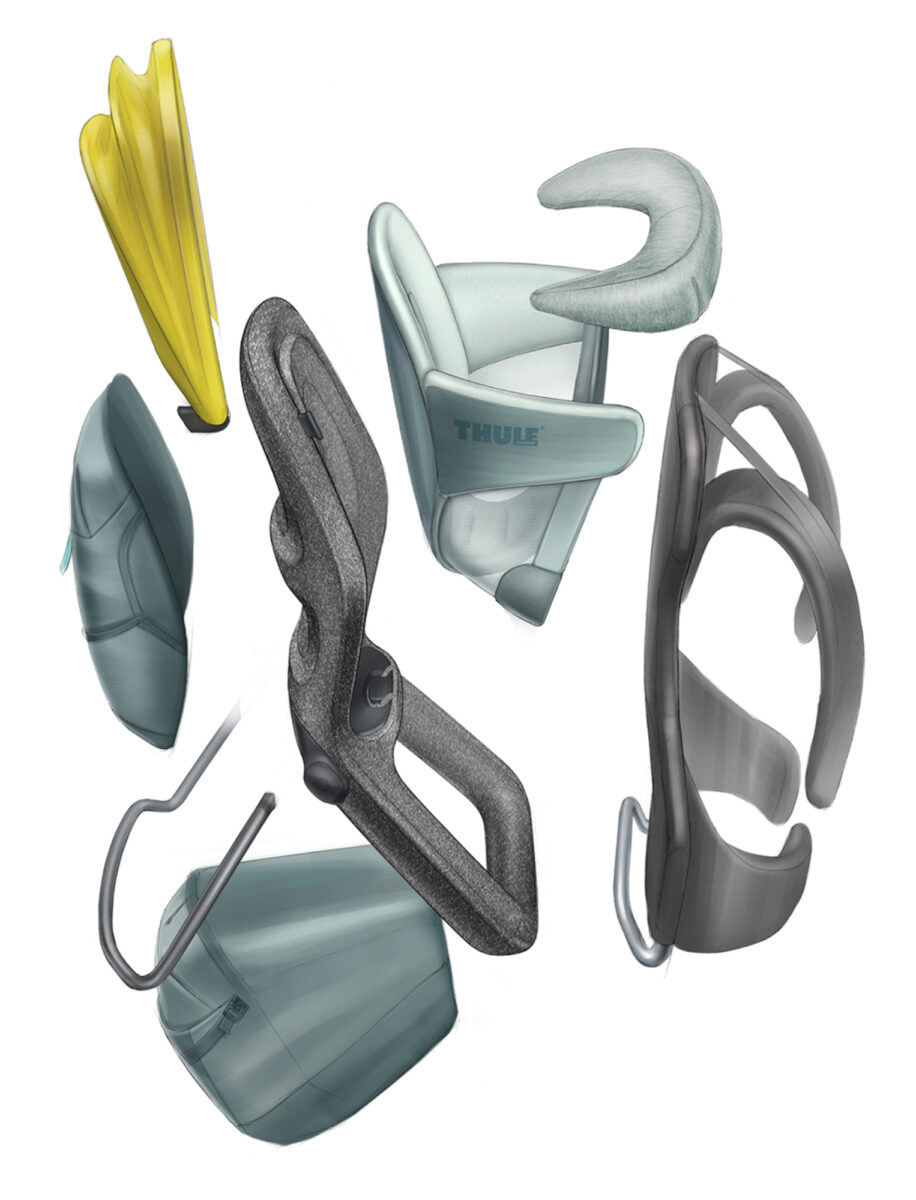
The architecture changed before the styling did: a Y-shaped plastic exoskeleton suspends the EVA seat, replacing the welded metal frame, with an easy-fit mount and quick release designed into it. One seat architecture, offered in frame, rack and front versions. MODYN engineered it through to production files

Hamax Outback: one architecture, several ways to move.
A child bike trailer designed as a platform for outdoor use: one frame of two aluminium rings that doubles as a roll cage, a patented fold, suspension and quick-change attachments, down to a ski kit. MODYN took the design to a fully working model; Hamax developed it for production. Red Dot Award 2016.
A product that needs its architecture settled?
Tell us what it is, which variants it must carry and when it has to launch. In a 20-minute call we say whether a sprint is the right first step, how many weeks it needs, who runs it and when it can start.
- Lead Design Engineer
Olavo Monken

- Medior Design Engineer
Dennis Melkert

- Senior Design Engineer & ICT Manager
Bas Kleingeld
- Managing Director
