The shift to a circular economy
For decades, product innovation has focused on making products smarter, lighter and more desirable. Today, a new design challenge is emerging: making products easier to repair. As new European legislation accelerates the transition to a circular economy, repairability is no longer just a sustainability ambition or after-sales service. It is becoming a strategic design decision that influences product architecture, customer experience and long-term business value.
This shift is being driven by a combination of EU regulation and growing demand from environmentally conscious consumers. Let’s dive deeper into this important topic.
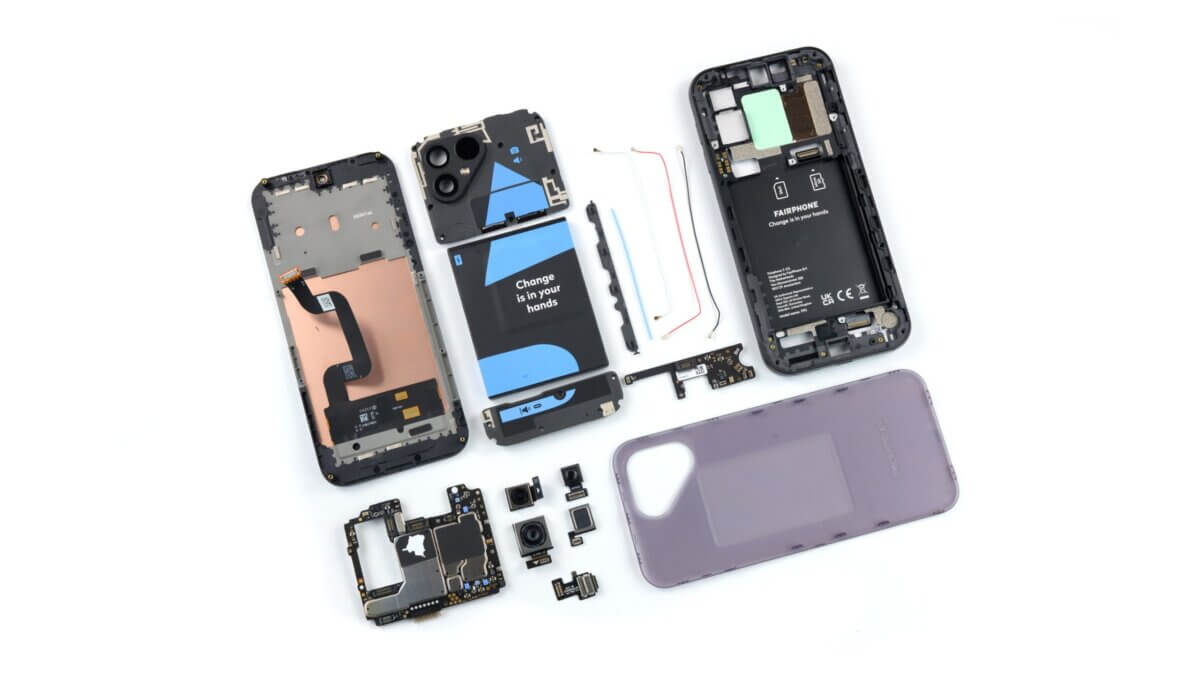
Several companies have already proved how repairability can become a competitive advantage. Fairphone has built its brand around modular smartphone design, allowing users to replace batteries, cameras, and displays with minimal effort.
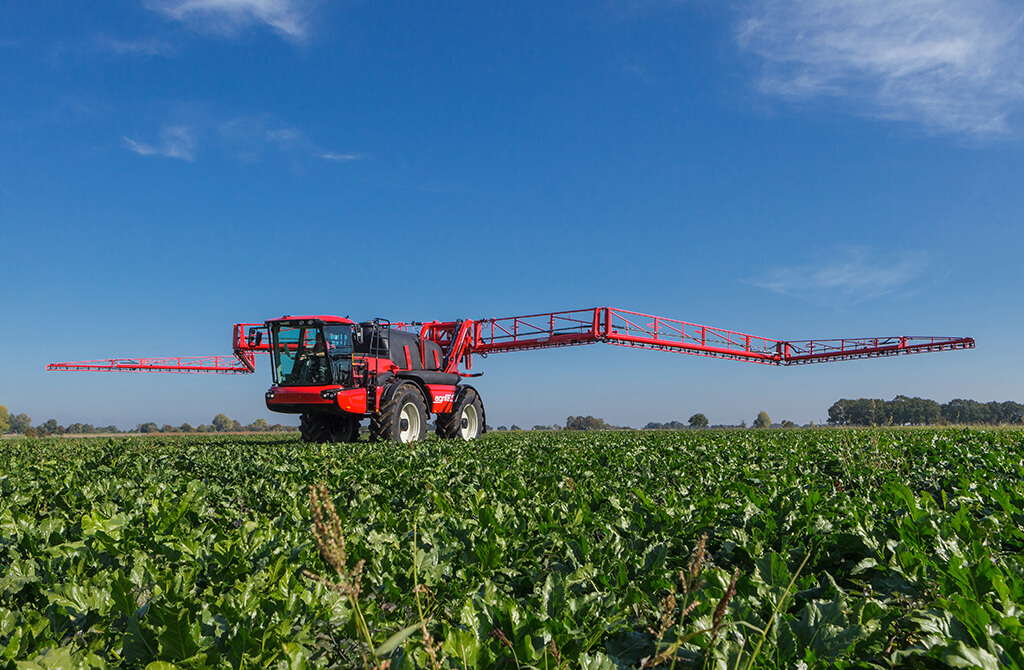
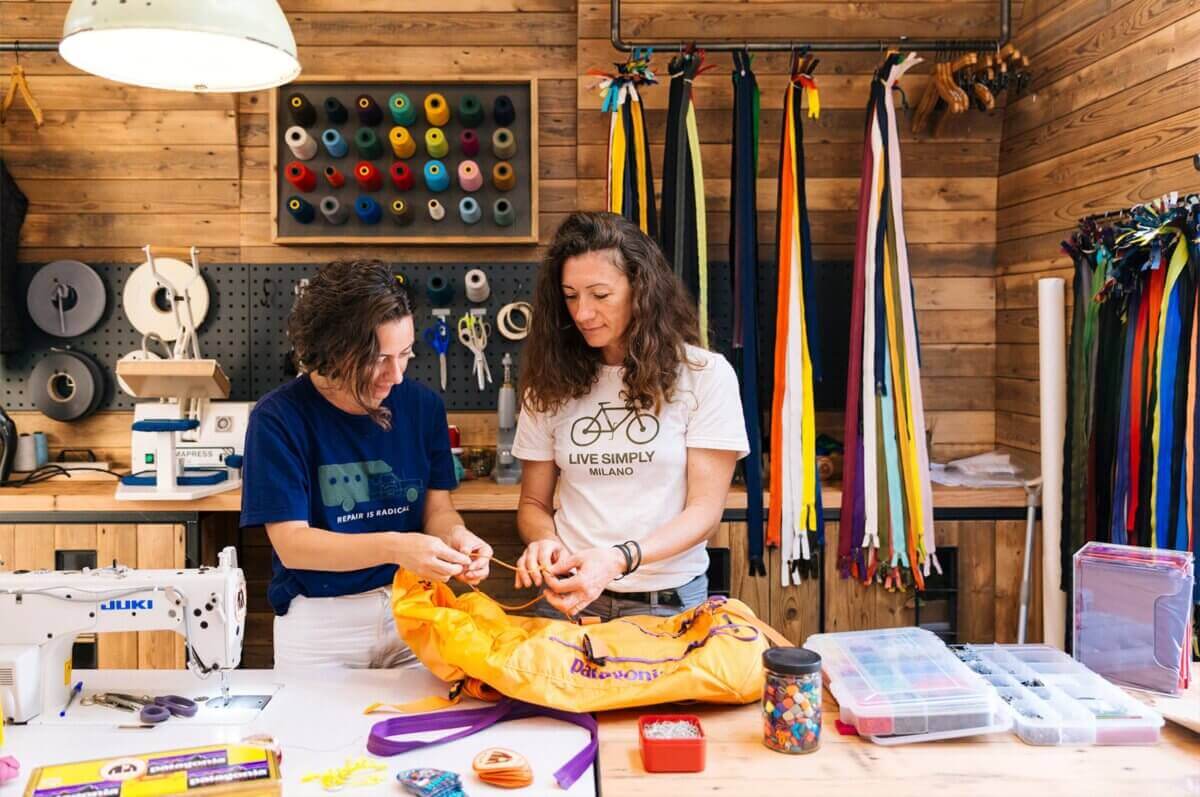
This approach earned recognition through the iF Gold Award 2026. Miele is widely recognized for designing products with long service lives and supporting spare parts availability for many years, supporting a repair-first approach. Patagonia has extended the concept through its Worn Wear program, which promotes repair, reuse, and the sale of refurbished products. In contrast, John Deere has faced legal challenges from farmers and the FTC over restrictions on repair access, resulting in a $ 99 million settlement and a damaged brand identity.
- Strengthening customer loyalty through long-lasting products and responsible use of natural resources.
- Reducing production costs through refurbishment and/or create new revenues from service and maintenance.
- Using spare parts and modularity as a differentiation tool, enabling customization and consumer self-expression.
The most successful mobility products of the next decade will not only deliver excellent user experiences, but they will also be maintainable, adaptable and resilient throughout their lifecycle. For product design teams, this means treating repairability as a core design principle rather than a post-development consideration.
Let’s rethink the design process and explore the opportunities together. Let’s talk about your next challenge.