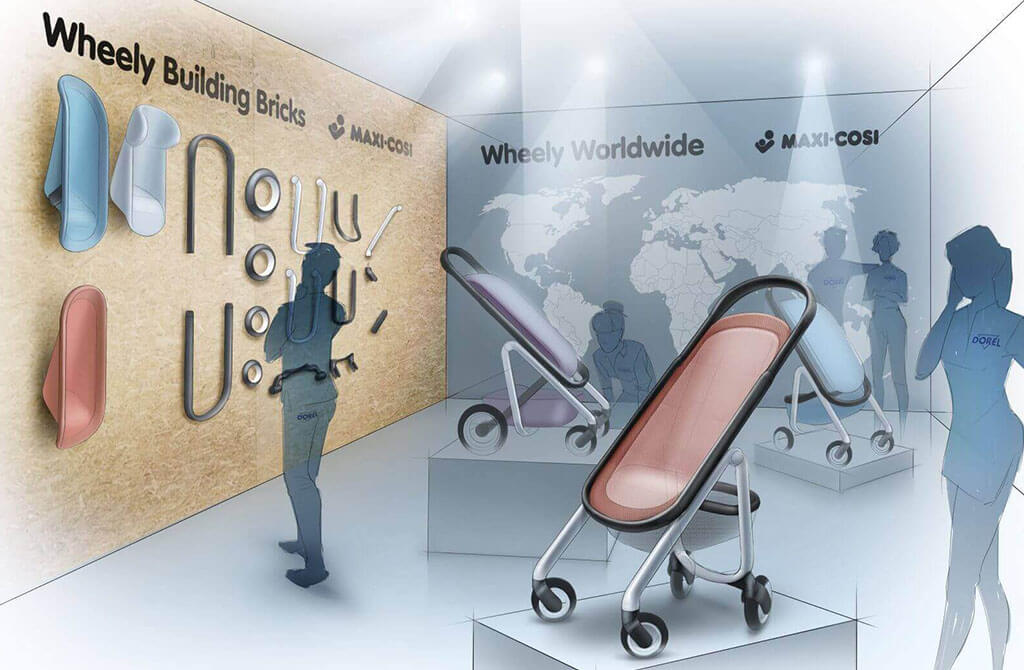
Circular design versus classical design
For decades, product innovation has meant making products smarter, lighter, and more desirable.
Today, another design challenge is taking center stage: making products repairable, traceable, and recoverable. As EU legislation accelerates the transition to a circular economy, repairability is no longer an after-sales service or sustainability ambition.
This shift is driven by a wave of EU regulations, the growing global right-to-repair movement, and consumers who increasingly expect products to last. As a result, product teams need to consider repair, reuse, and product lifespan from the start of the development process.
Circularity is no longer simply a future ambition. It is becoming a practical and, in many cases, regulatory requirement. Below, we outline the key developments in Europe and other major markets, the deadlines companies need to prepare for, and the responsibilities of different parties across the value chain. We also explore what these changes mean for product design, development, CMF, and the business model behind the product.
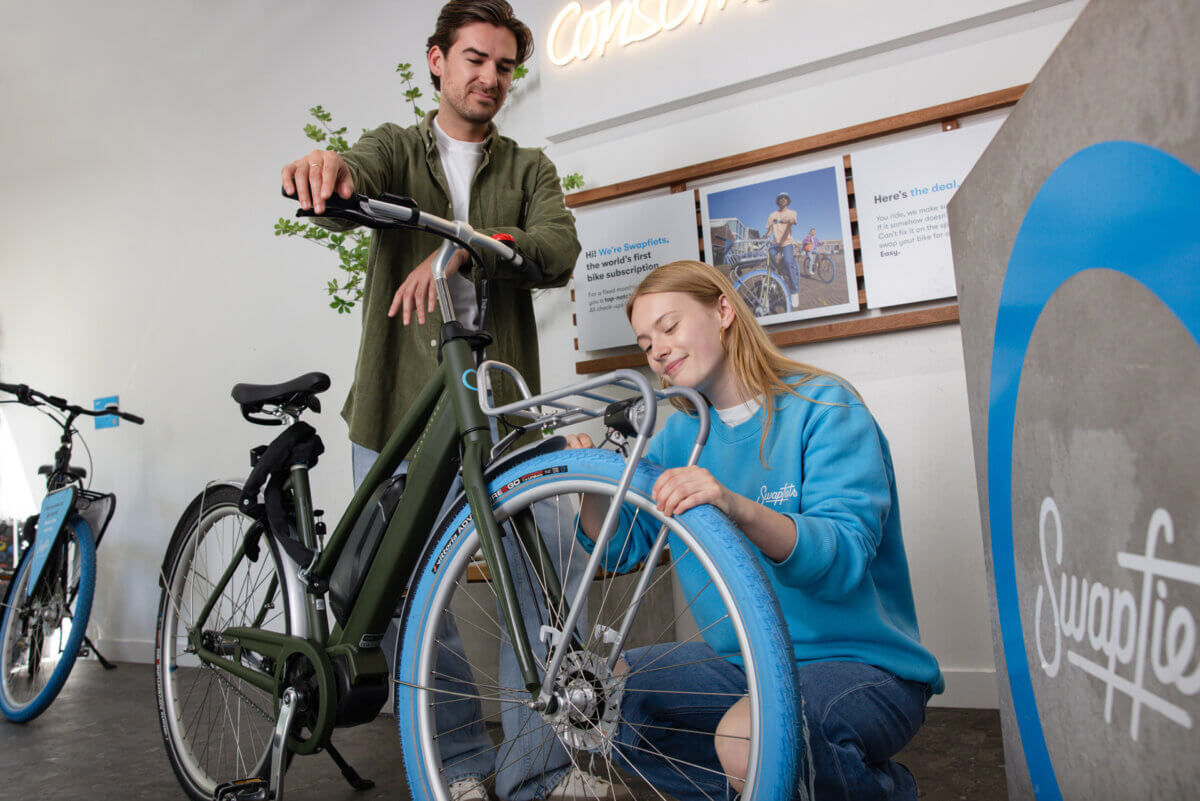
For example, the Dutch company Swapfiets shows how circularity can become a business model. By keeping ownership of its bicycles and offering repair or replacement as part of a subscription, every design decision that improves serviceability directly benefits the company. We come back to Swapfiets later in this article.
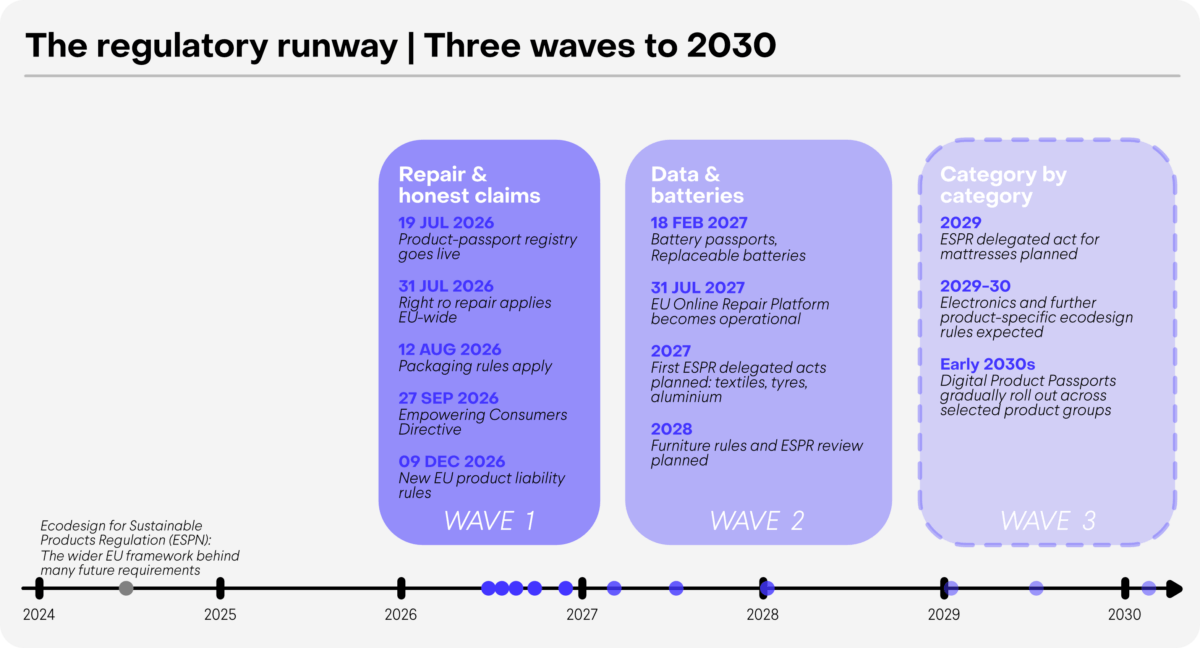
Europe is not introducing one circular economy of law. It is rolling out an interlocking system of regulations, and it helps to read them as three waves.
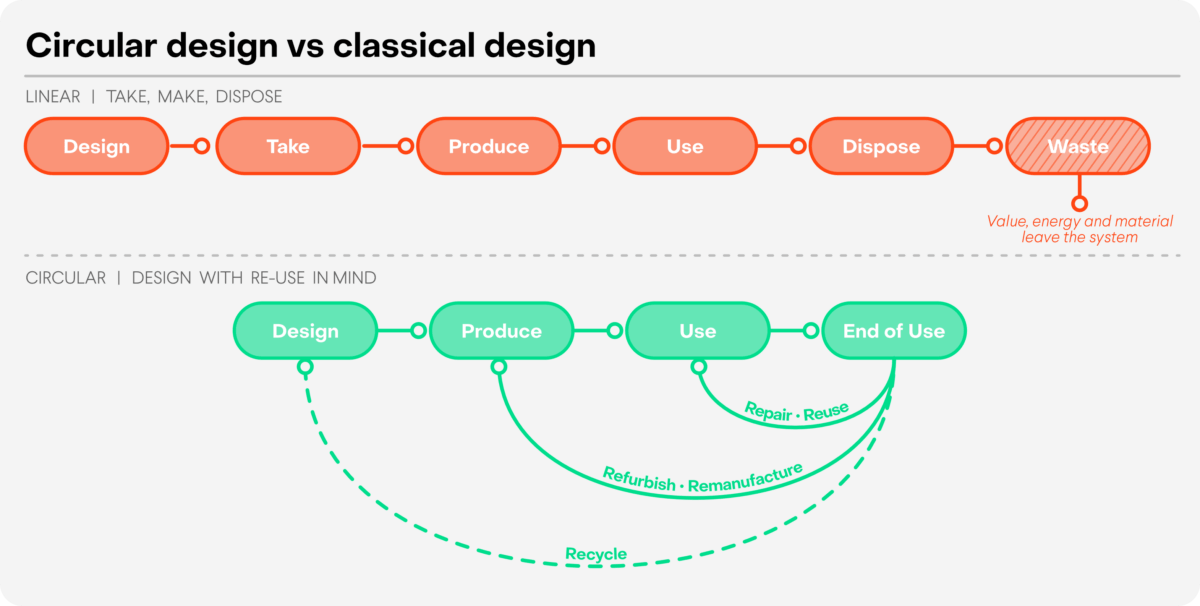
Throughout the year, Europe has introduced the Right to Repair Directive, stricter sustainability claim rules, the Digital Product Passport (DPP) infrastructure, and new packaging legislation. Together, these regulations redefine how products are designed, sold, and serviced. Design decisions are becoming strategic business decisions, shaped by new requirements for circularity, recycling, and sustainability.
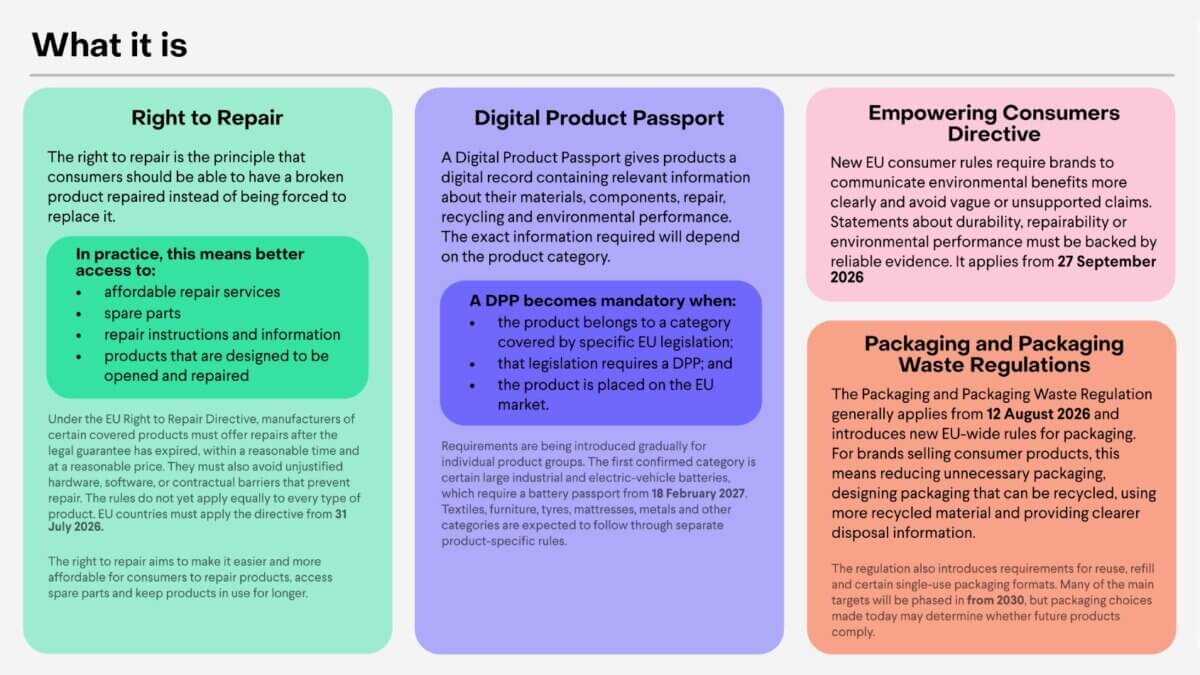
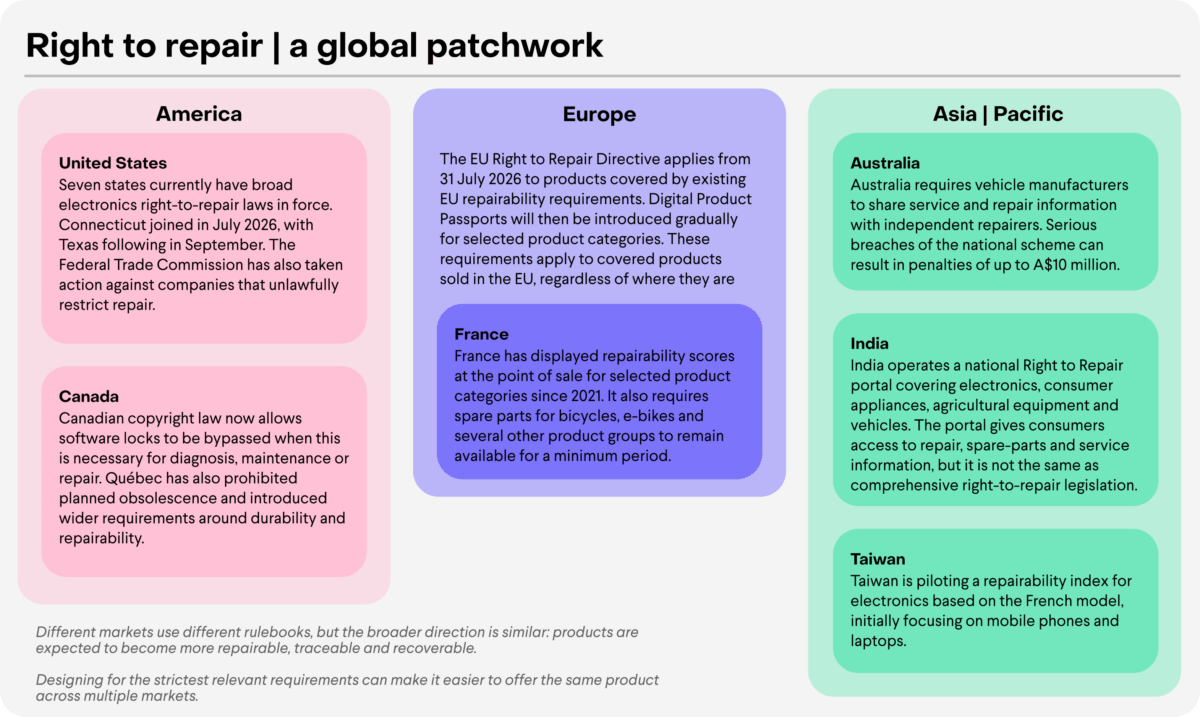
Europe may be leading the transition, but it is far from alone. Right-to-repair legislation is expanding across the United States, Canada, Australia and Asia. The direction is clear: products designed for repair and longer lifecycles will increasingly become the global standard.
For brands, the implication is simple: a product must meet the rules of every market in which it is sold. Designing for the strictest market is quickly becoming the same as designing for the global market.
Circular regulation redistributes responsibility across the entire value chain, making it essential to understand where your organization fits.
For products covered by the EU Right to Repair rules, the manufacturer is responsible for providing repair. If the manufacturer is not established in the EU, this responsibility falls first to its authorized representative, then to the importer if no representative exists, and finally to the distributor if there is no importer. The repair itself may be carried out by another company, but the responsible party must still ensure that the obligation is fulfilled.
Producers also take on greater responsibility at the end of life. Under Extended Producer Responsibility (EPR) rules, producers may be required to cover some or all the costs of collecting, treating and recycling products at the end of their life. Design-for-disassembly therefore becomes a direct business decision, not just a sustainability ambition.
The Digital Product Passport adds another layer. Brands become custodians of product data, relying on suppliers to provide verified information on materials and components. Without accurate supply chain data, products may not be allowed to enter the EU market.
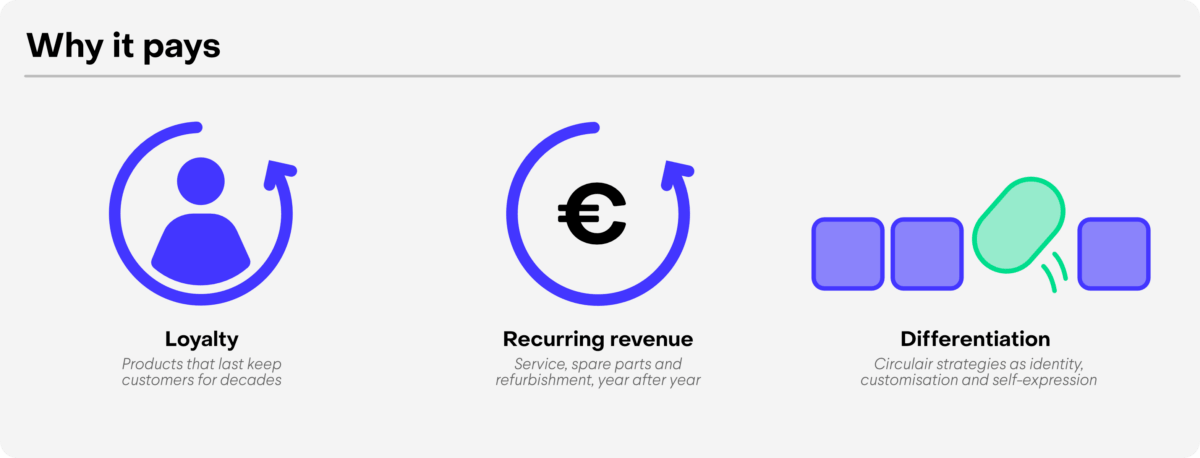
The biggest shift, however, is commercial rather than regulatory. Customer relationships no longer end at the point of sale. Brands that repair, refurbish and recover their products retain both the customer and the recurring revenue. Product-as-a-service, take-back schemes and refurbishment are therefore becoming strategic growth opportunities, rather than simply CSR initiatives.
Possibilities for repair, refurbishment, and longer product lifecycles all depend on decisions made early in product development. This is where industrial design, engineering, and CMF come together. It starts with the product architecture: modular layouts, accessible wear parts and reversible connections. Engineering determines whether products can actually be maintained. CMF determines whether they remain desirable long enough to justify repair. Together, these disciplines define whether circularity becomes reality or stays an ambition. The biggest design decisions are made before the first prototype is built.
Design and engineering
A spare-parts strategy also needs to become a day-one deliverable. Which components will be available for five to ten years, at what price, through which channel? Interface discipline (Keeping key connections and dimensions consistent) across product generations keeps one part serving several model years, which slashes inventory cost and makes the legal availability period affordable. Repair documents, disassembly instructions, and Digital Product Passport data should be treated as core engineering outputs, just like the CAD model. Furthermore, durability claims must now be substantiated, which means testing regimes and evidence, not adjectives.
CMF
Colour, material and finish play a strategic role in circular products. Recyclability requirements favor mono-material solutions over bonded composites, while finishes should be chosen to age gracefully and extend a product’s perceived lifetime. Color programs need long-term continuity, ensuring replacement parts still fit the original design or deliberately celebrate visible repair. As Digital Product Passports make material choices increasingly transparent, every CMF decision becomes part of the brand’s story.
Several companies prove that repairability, done sincerely, is a competitive weapon rather than a compliance cost.
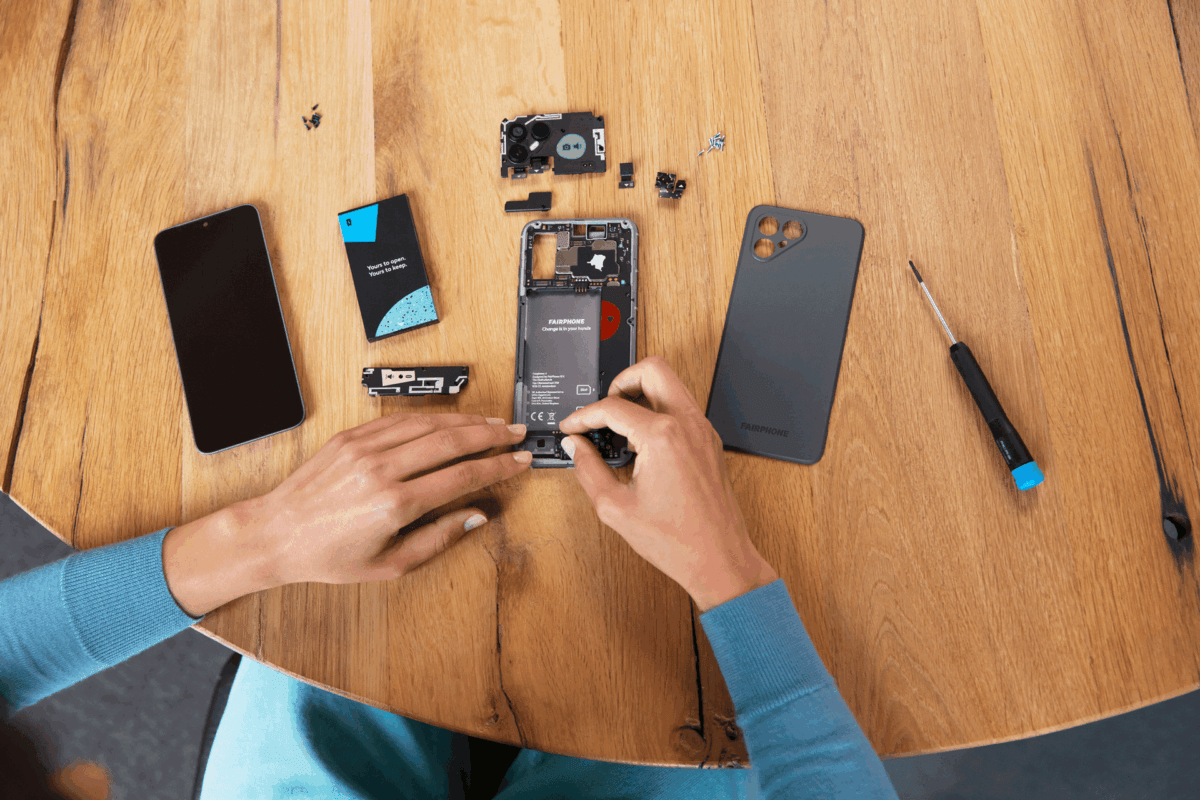
Fairphone built its entire brand on modular smartphone architecture, letting users replace batteries, cameras and displays in minutes, an approach recognized with the if Gold Award 2026 and rewarded with some of the highest customer loyalty in the industry.
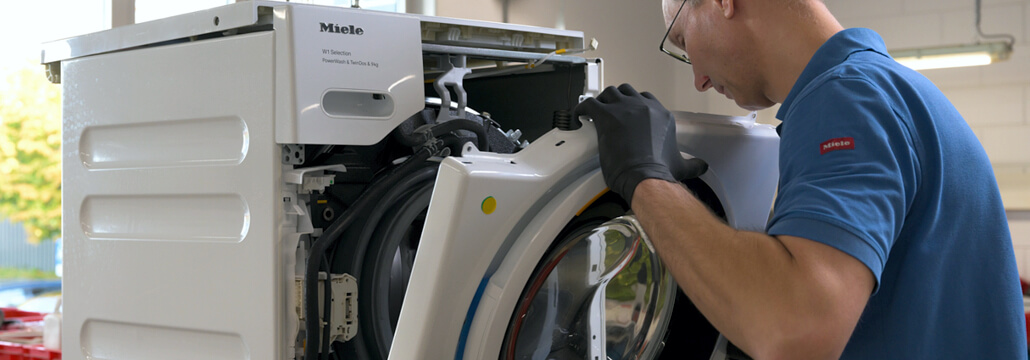
Miele designs for 20-year service lives and keeps spare parts available long after production ends, sustaining its price premium through provable durability.
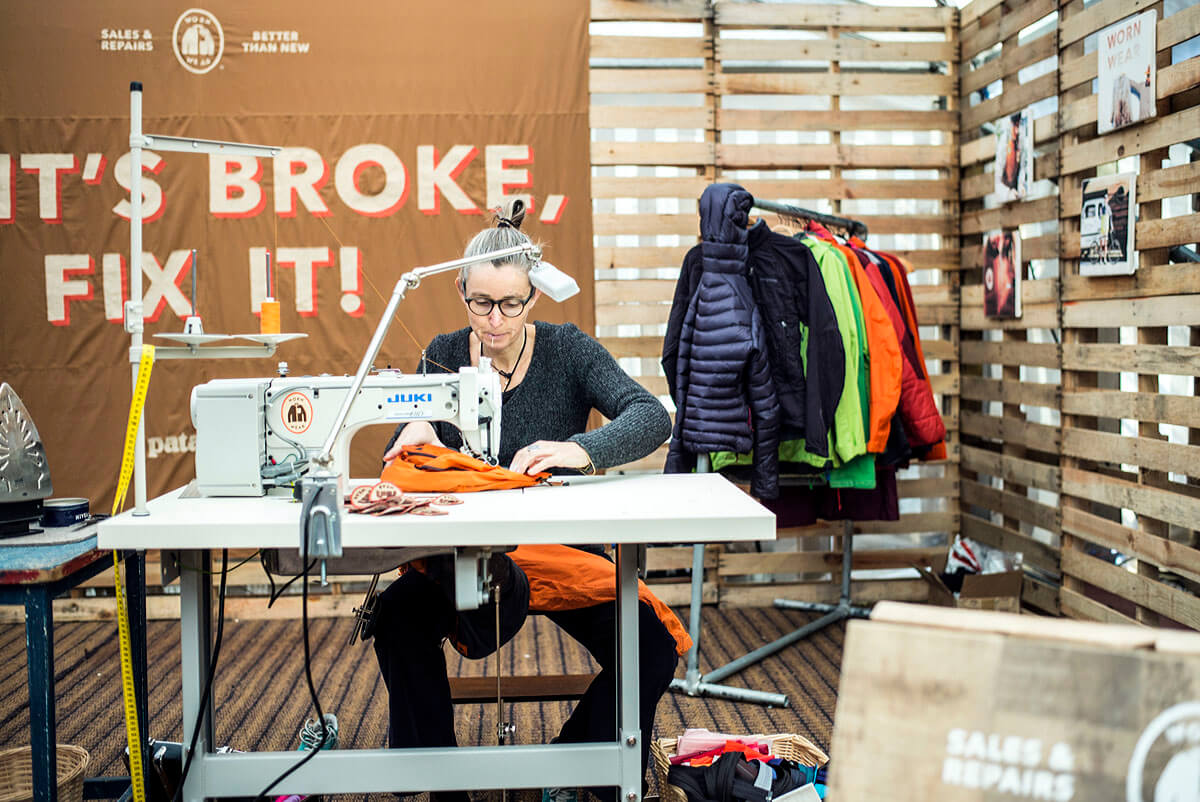
Patagonia extended the logic to services with Worn Wear, turning repair, reuse and refurbished resale into a channel that deepens the customer relationship instead of ending it at the till.

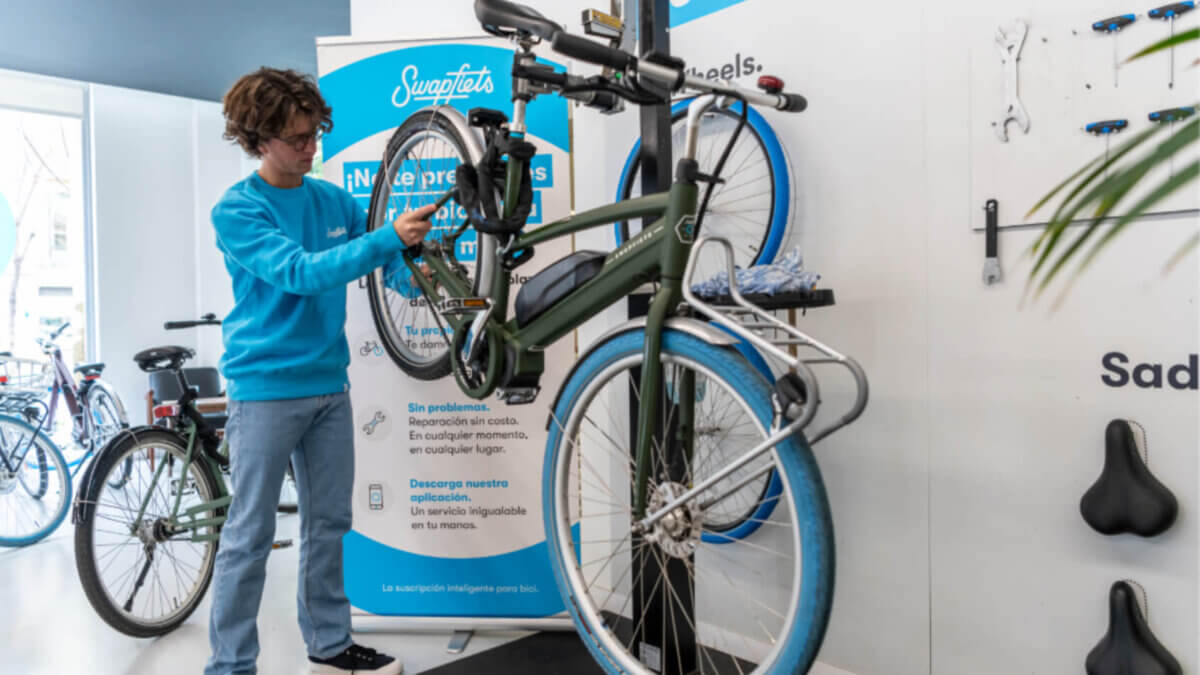
The Dutch company Swapfiets shows how circularity can become a business model. By keeping ownership of its bicycles and offering repair or replacement as part of a subscription, every design decision that improves serviceability directly benefits the company. Durability, modularity, and fast repair are no longer sustainability goals; they are commercial advantages. As a result, product design, maintenance and customer loyalty reinforce one another throughout the product lifecycle. It’s a powerful example of how repairability creates value beyond compliance.
Repairability creates value beyond compliance. It strengthens customer loyalty, generates recurring revenue through service and spare parts, protects resale value, and opens new refurbishment markets. Brands that own the product lifecycle increasingly own the customer relationship as well.
Most brands won’t fail because of regulation; they’ll fail because they treat circularity as an afterthought. Designing repairability into a product is dramatically cheaper than retrofitting it later. Greenwashing, poor spare-part availability and obstructive repair strategies are no longer just reputational risks; they’re increasingly legal ones.
The transition to a circular economy isn’t driven by regulation alone. It’s driven by resource scarcity. Today, the global economy is only 6.9% circular, while billions of euros in material value are lost every year through linear production. E-waste alone stands for one of the world’s fastest-growing waste streams, despite holding valuable metals and materials that could remain in circulation.
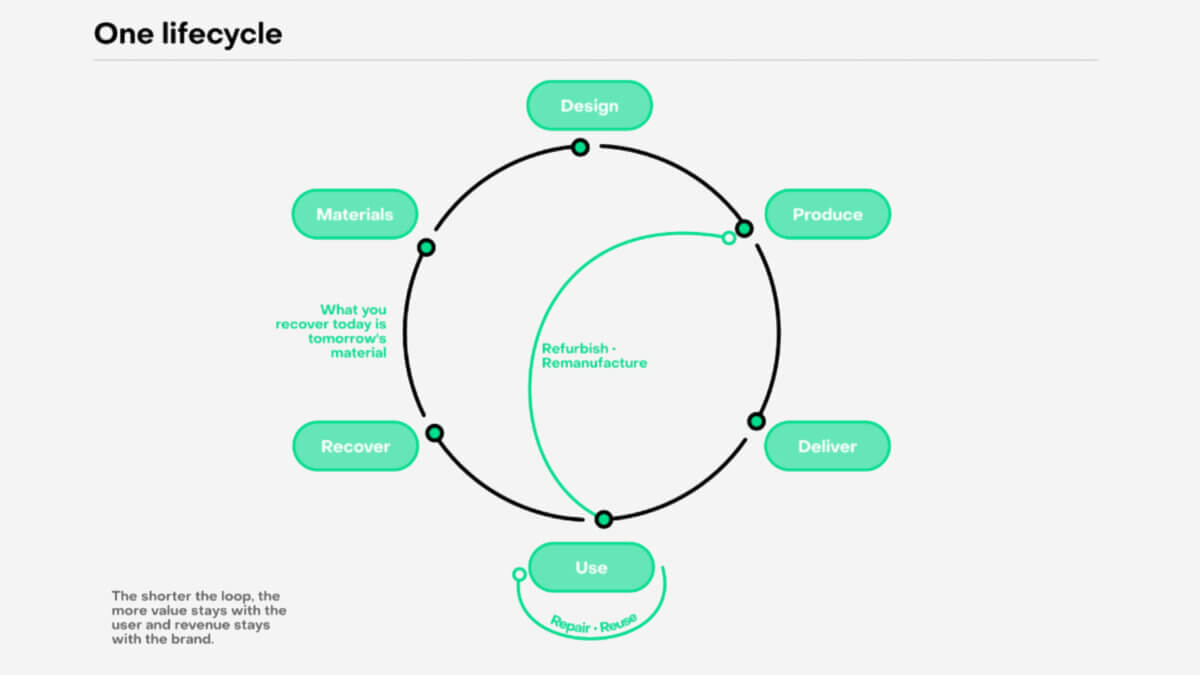
For designers and manufacturers, this changes the role of waste entirely. Products are no longer the end of a supply chain; they become the beginning of the next one. Recycled-content requirements, Digital Product Passports, and take-back schemes all increase the value of products that can be disassembled, identified and recovered. The waste hierarchy reflects this logic: repair first, then reuse, refurbish, remanufacture, and only recycle. Every step that keeps a product or part in use keeps more value than breaking it down into raw material.
For brands, reverse logistics is becoming more than an environmental initiative. It is a source of future materials, greater supply security, and long-term competitive advantage. In a world of volatile raw-material prices, yesterday’s products became tomorrow’s resource.
The next generation of successful products won’t simply offer better performance. They’ll be designed to last longer, repair more easily, and recover more value throughout their lifecycle. The regulations are already in motion. The competitive advantage now belongs to brands that treat repairability, traceability and circularity as design principles, not compliance requirements. The first sketch determines the last repair.
At MODYN, we help companies translate these challenges into tangible product strategies, combining industrial design, engineering and CMF to create products that are ready for the next generation of regulation and customer expectations.
Planning your next product platform? Let’s start the conversation before the first sketch is made, just send us a message.