CFD Concept Caravan
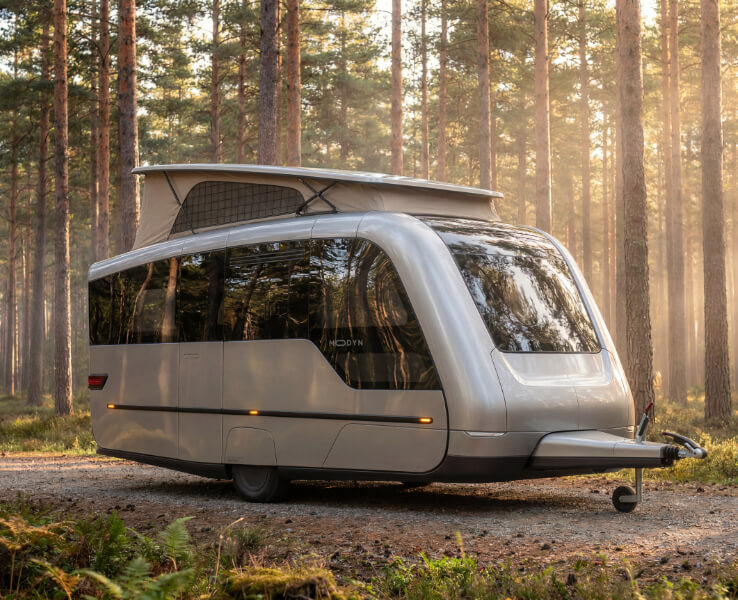
- Case Reimagining Caravan Aerodynamics for the Electric Age
- Client Modyn
- Industry Transport
As electric vehicle adoption continues to accelerate across Europe, new challenges are emerging for drivers who rely on their vehicles for leisure and travel. More than 3.5 million caravans are in use across Europe, and every summer thousands are towed across the continent. At the same time, electric vehicles have surpassed 20% market share in several European countries, with the Nordic countries, Belgium, and the Netherlands leading the transition.
While electric vehicles offer an efficient and sustainable alternative to conventional cars, towing remains a significant challenge. Additional weight and aerodynamic drag can dramatically increase energy consumption, reducing driving range and requiring more frequent charging stops. As a result, the traditional caravan design is no longer ideally suited to the needs of the electric mobility era.
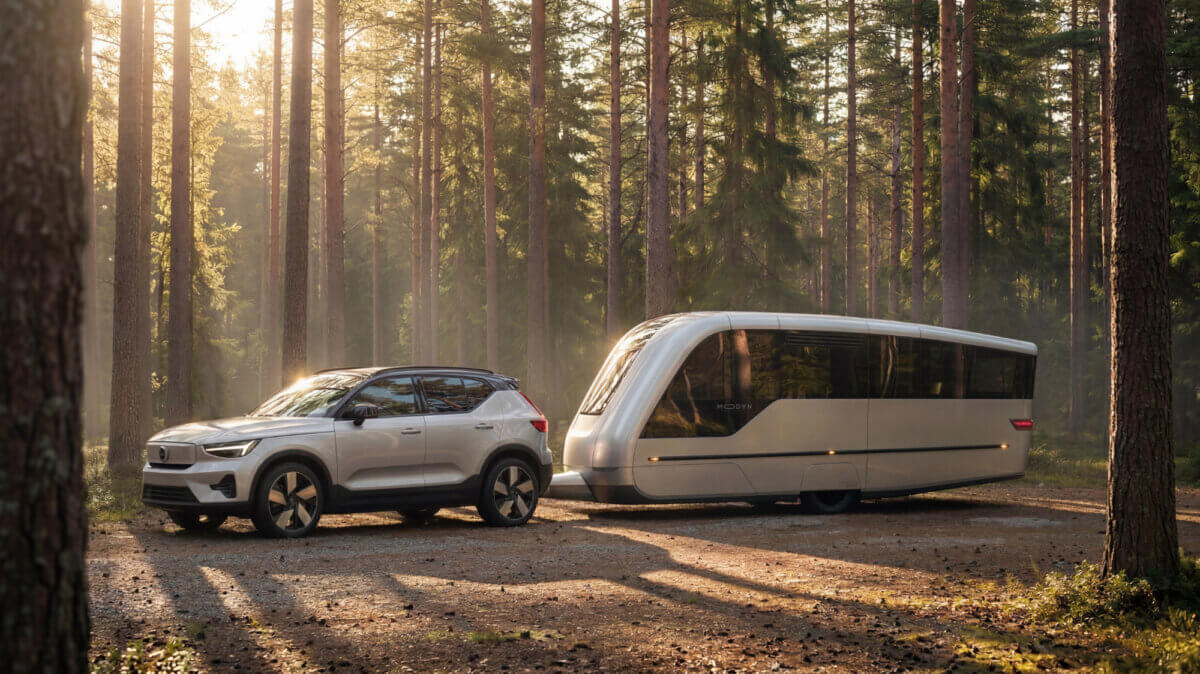
To explore how caravan design can evolve alongside vehicle electrification, MODYN partnered with Aerows Engineering, a specialist consultancy in fluid mechanics and aerodynamics. Together, we set out to develop a caravan concept that minimizes aerodynamic drag and maximizes the range of an electric vehicle while towing.
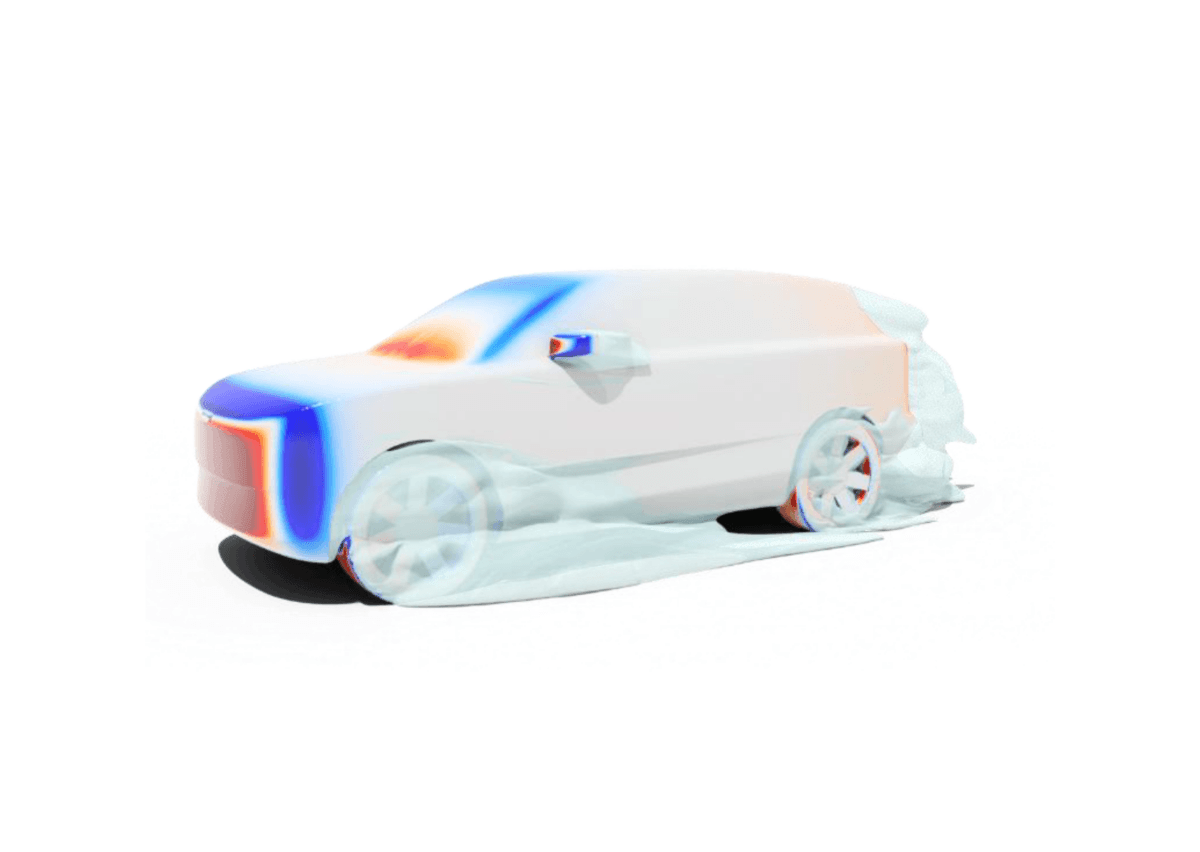
Our research began with an analysis of conventional caravan designs. While lightweight construction remains an important factor in improving efficiency, many manufacturers are already investing in reducing weight through advanced materials and construction methods. We therefore focused our efforts on the second major contributor to energy consumption: aerodynamics.
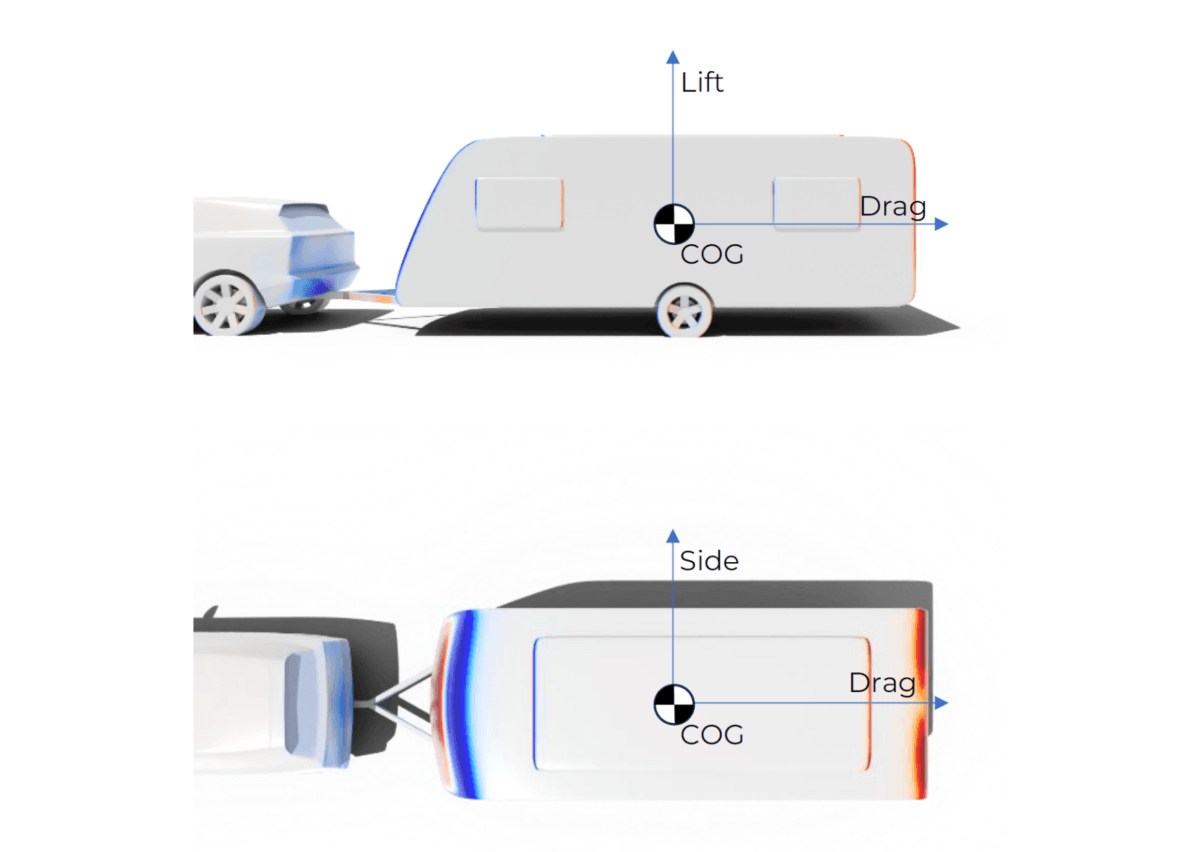
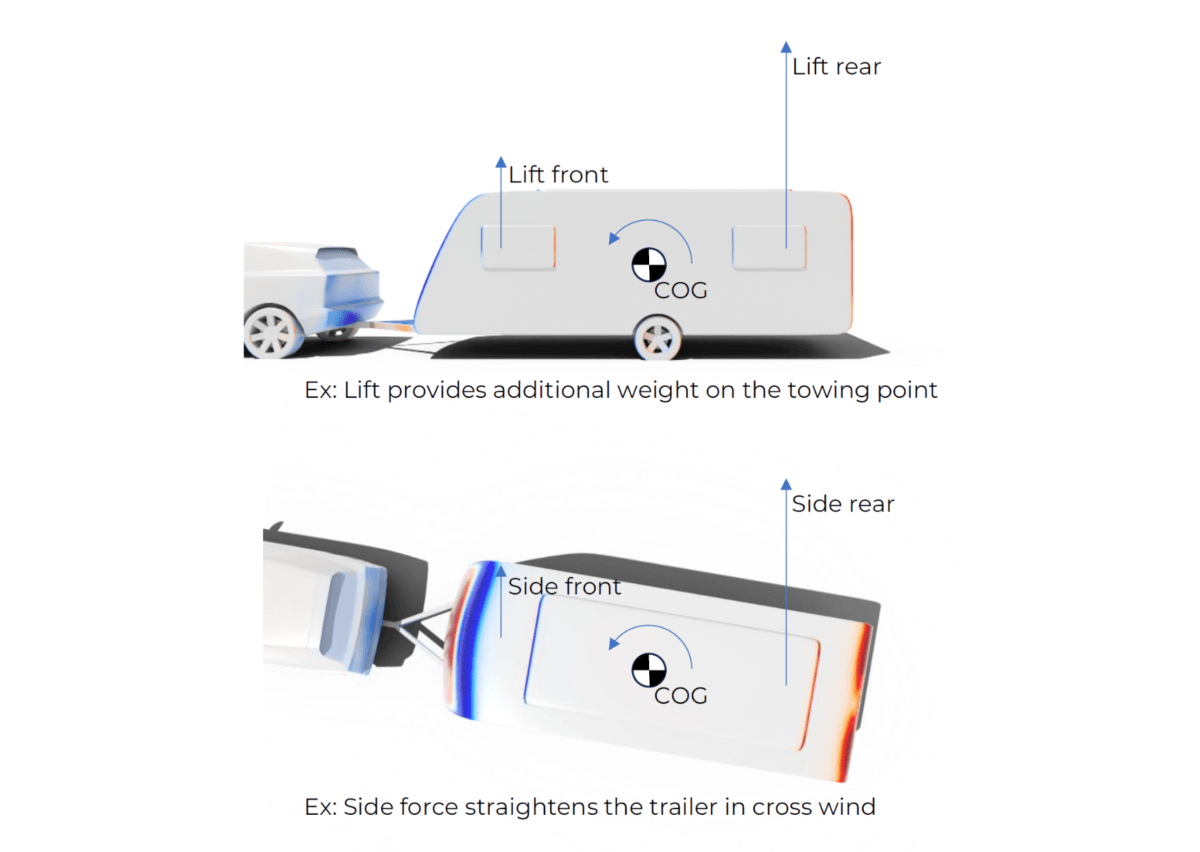
Aerodynamic performance is influenced by several forces. Drag directly affects energy consumption and vehicle range. Lift influences vehicle handling by generating vertical forces that can reduce stability. Side forces, particularly during crosswinds or overtaking manoeuvres, play a crucial role in maintaining safe and predictable vehicle behaviour. Any successful caravan design must address all three.
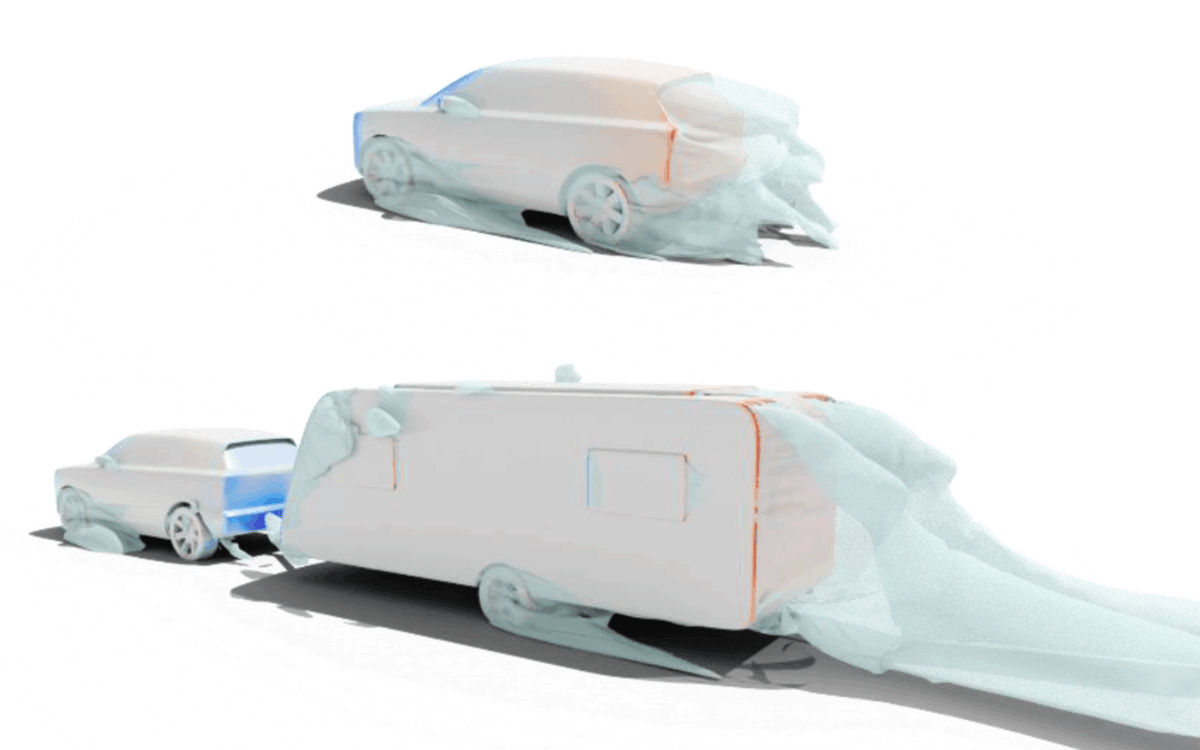
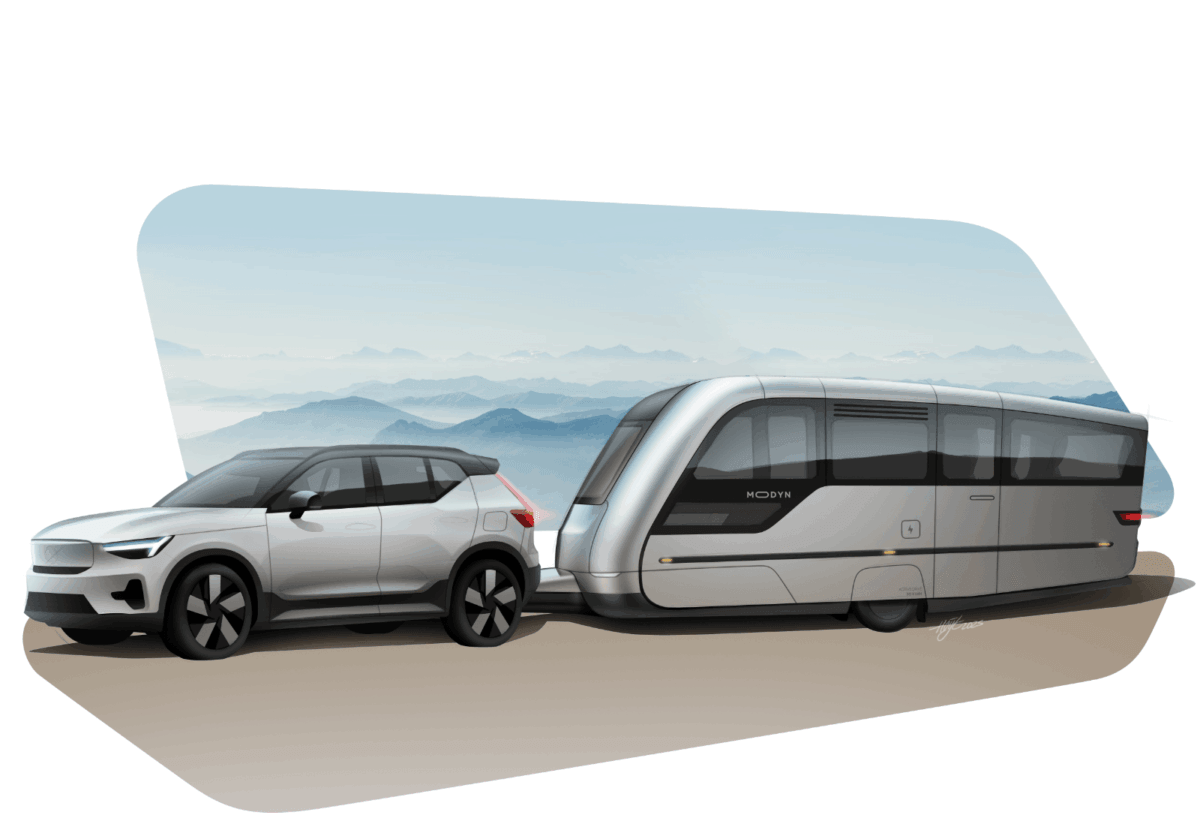
For the study, we evaluated a battery-electric SUV with a 100 kWh battery pack, a vehicle weight of 1,800 kg, and a cruising speed of 90 km/h. Under these conditions, the vehicle achieved a range of 702 km when driven without a caravan. When towing a conventional caravan, the range dropped to just 260 km, a reduction of 63%, while aerodynamic drag increased by more than 220%.
Using Computational Fluid Dynamics (CFD) simulations, we identified the key areas responsible for this performance loss. Traditional caravans often feature sharp front edges and large rounded rear corners, both of which create unfavourable airflow characteristics.
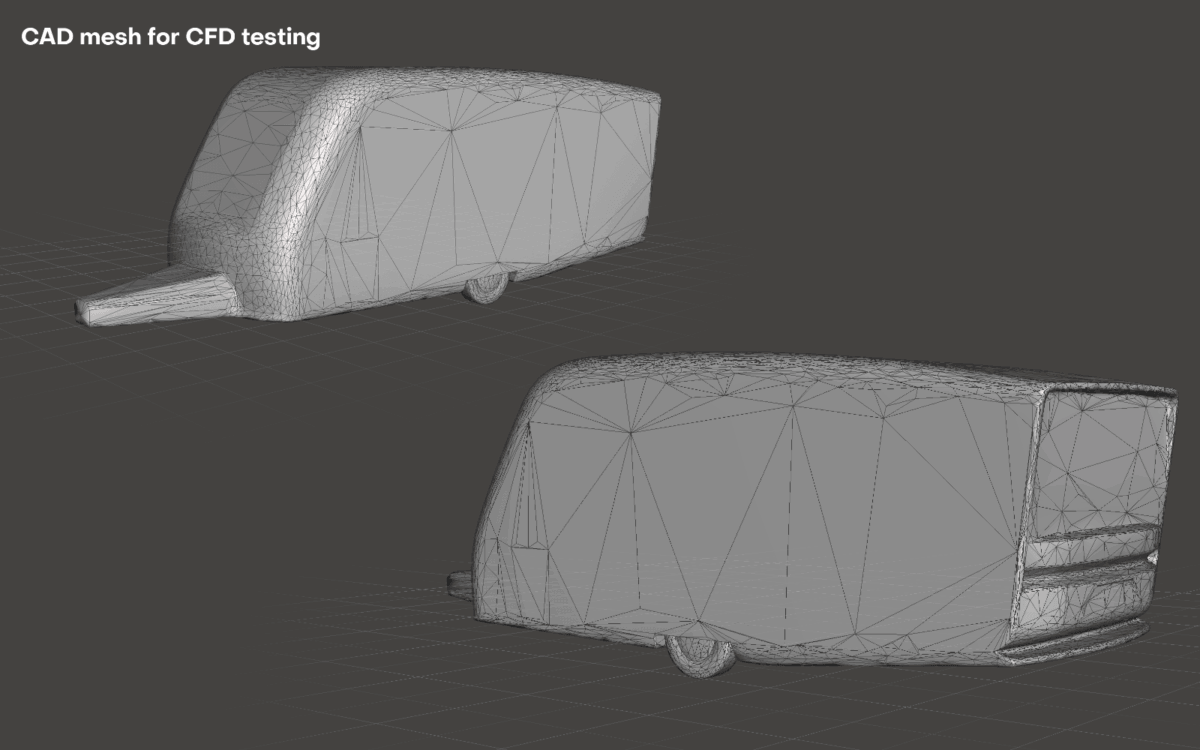
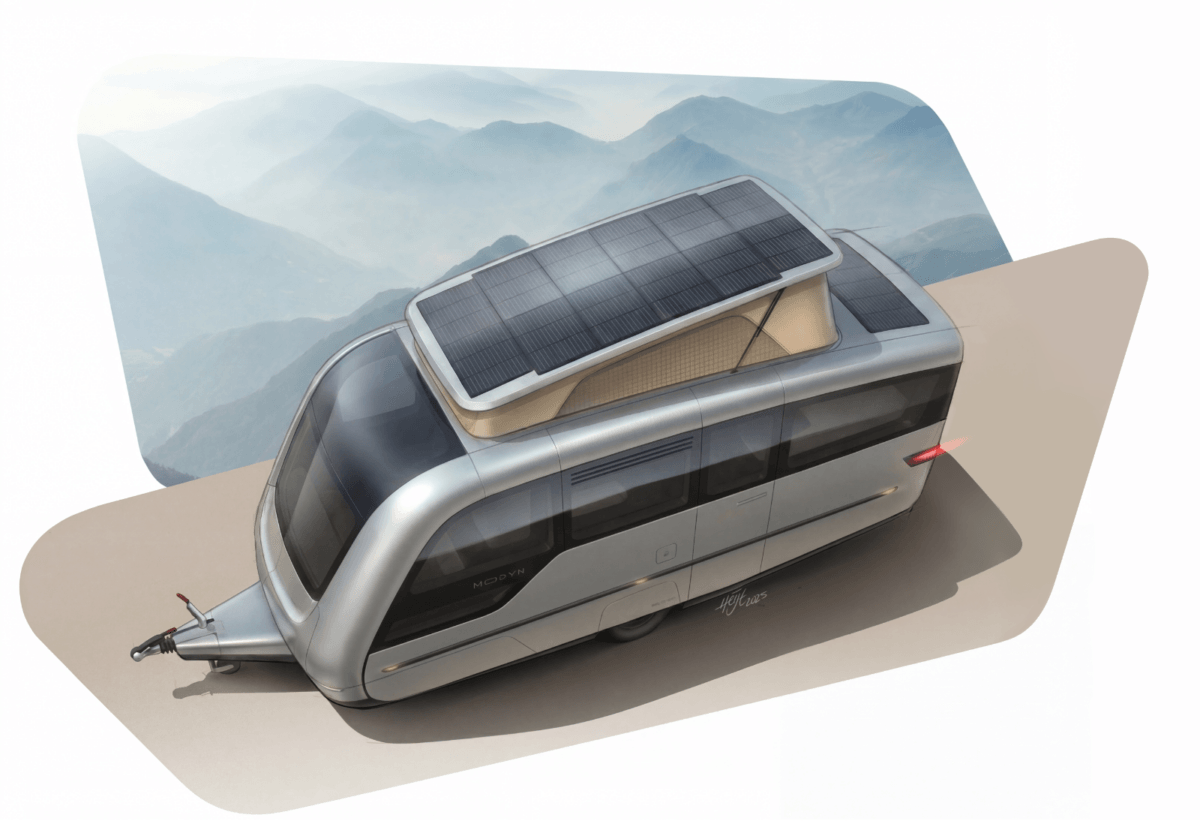
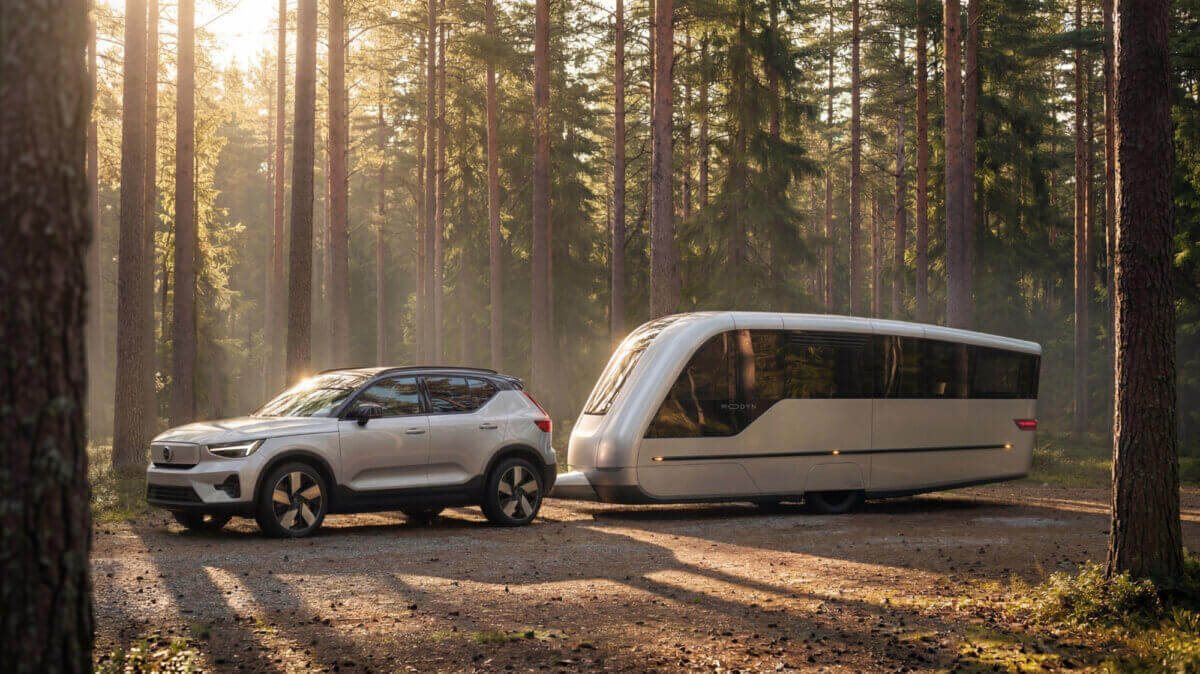
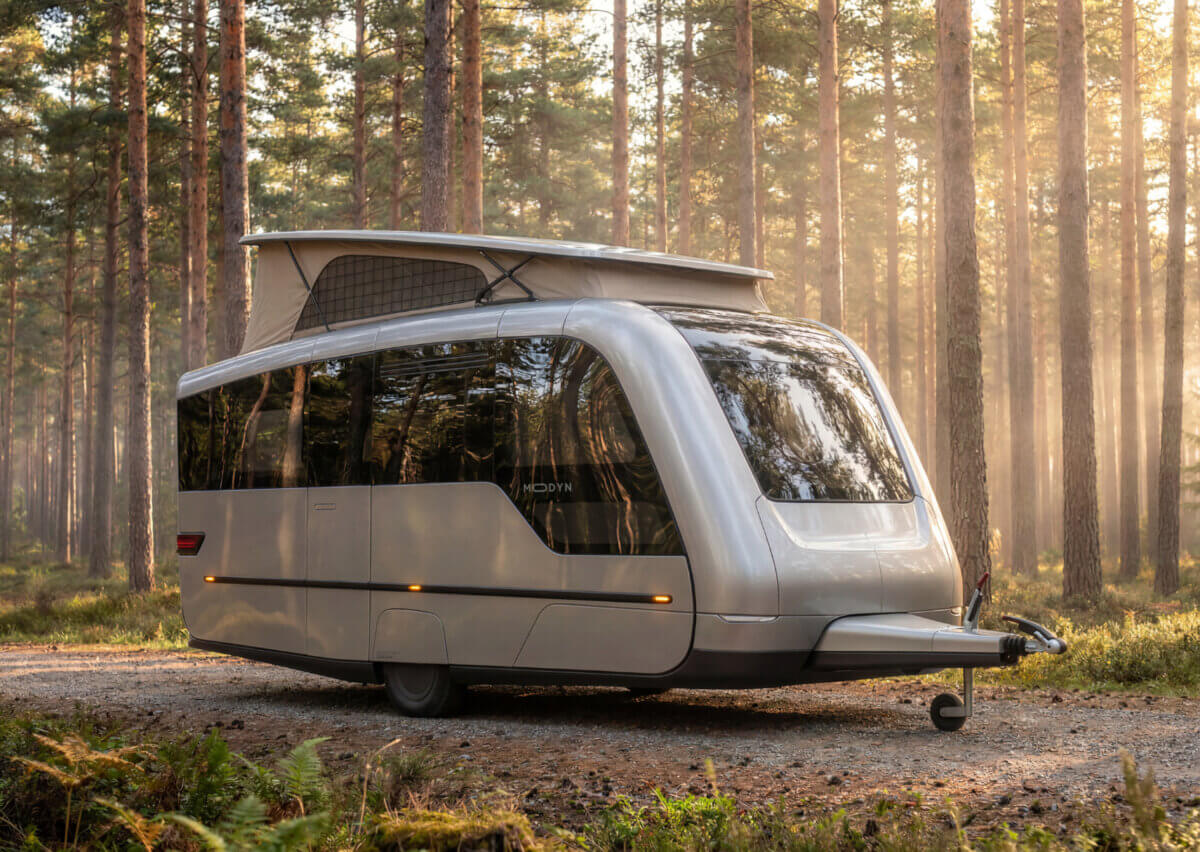
The CFD findings formed the foundation of the design process. By integrating aerodynamic principles into the overall shape and proportions, we developed a concept that combines improved performance with a modern and practical caravan design.
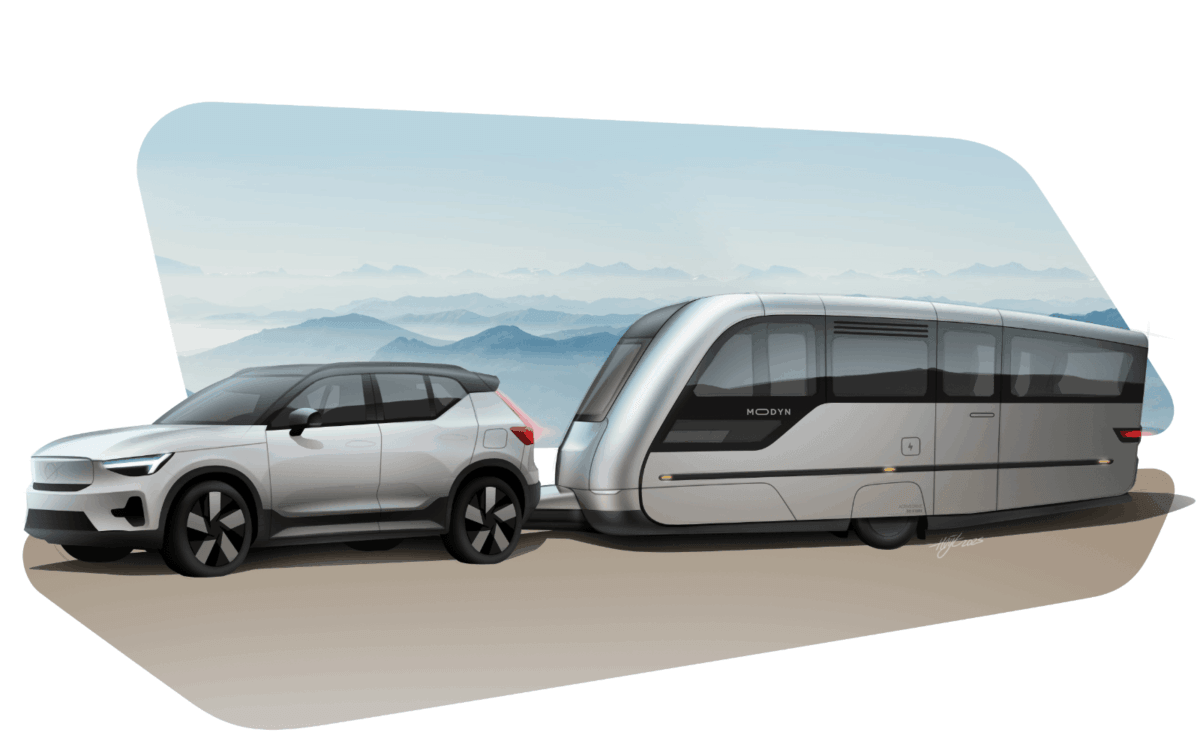
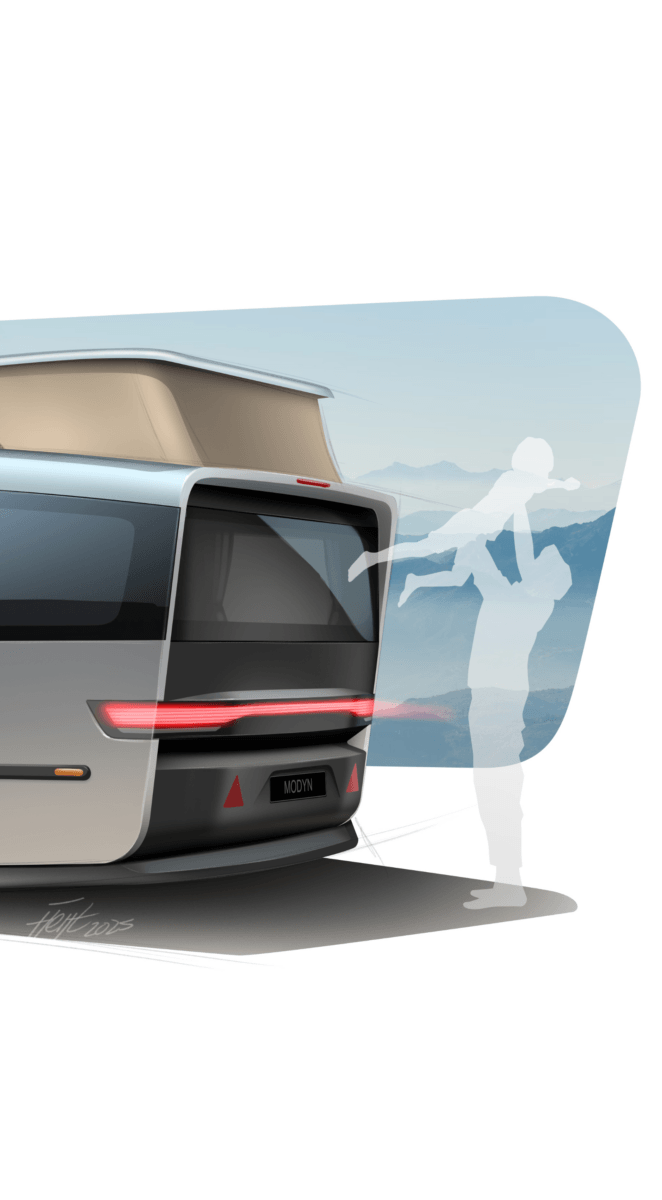
Our concept introduced smoother front corner radii to improve airflow attachment, while the rear was redesigned with a controlled taper and cleaner airflow separation. Additional improvements included integrated wheel covers and partially enclosed wheel arches to reduce turbulence and vortex formation around the wheels as well as flush windows and door handles.
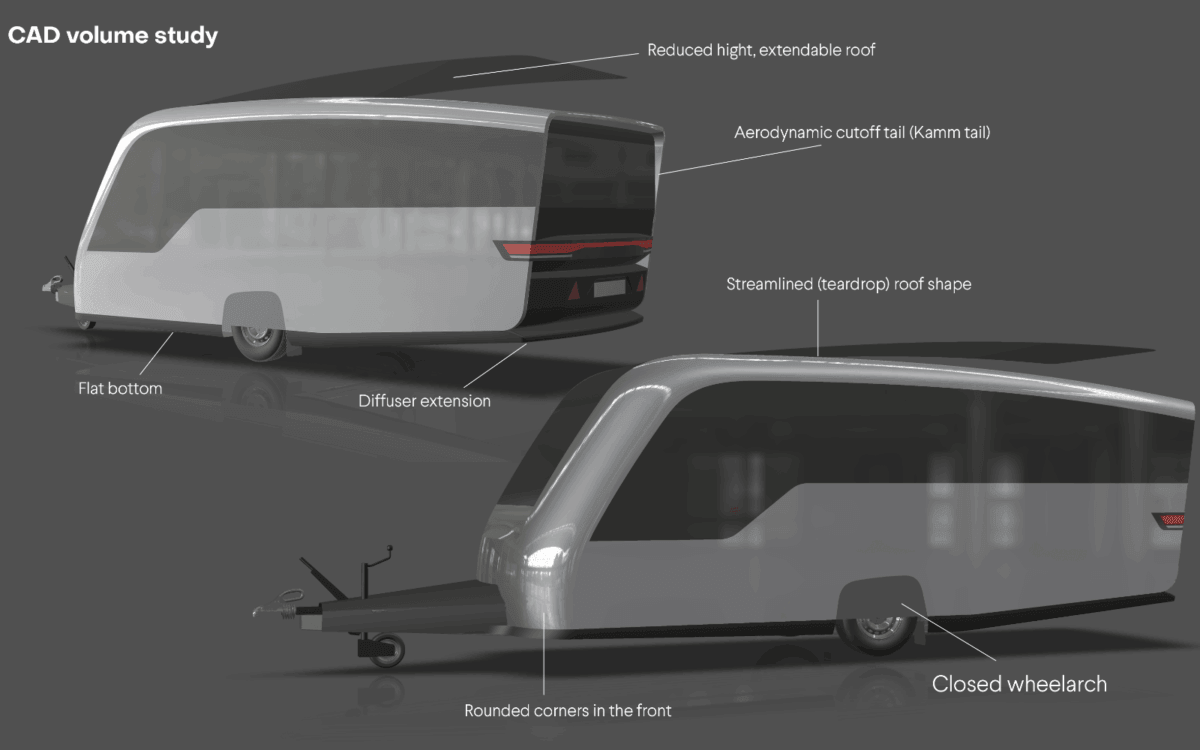
The results were significant. Compared to a conventional caravan, the optimized design reduced aerodynamic drag by 46%. For the test vehicle, this translated into an estimated range increase of 157 km, an improvement of approximately 60% while towing to a range of 417km.
This project demonstrates how aerodynamic design can play a critical role in enabling the future of electric travel. By rethinking established product categories through engineering-led design, substantial gains in efficiency can be achieved without compromising usability, comfort, or functionality.