Seeing before building: rapid 3D and VR visualisation in design reviews
For most design history, a review meant reading drawings, or waiting weeks for a costly physical model before anyone could really tell whether a shape, a space, or a proportion worked. Rapid 3D and VR visualization has compressed that wait into hours. Teams and clients can now “see” a product before a single part is cut, moulded or welded, exploring it at full scale and from any angle, long before it physically exists.
At MODYN, this shift has changed more than how fast we work. It has changed how well we decide, and how confidently clients sign off on designs we’ve developed together.
1. Scale and space can’t be judged on a screen, only experienced
A rendered image communicates shape. It rarely communicates whether a knee clears a control panel, whether a driver’s sightline is blocked, or whether the space between two seats actually feels generous or cramped.
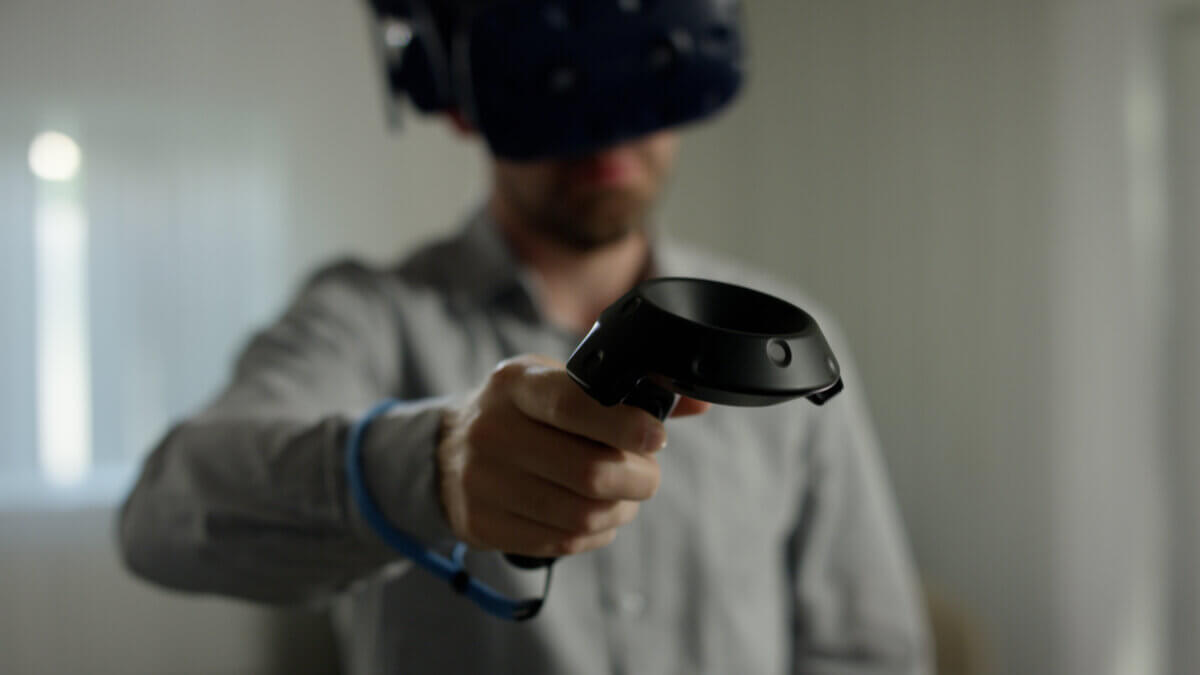
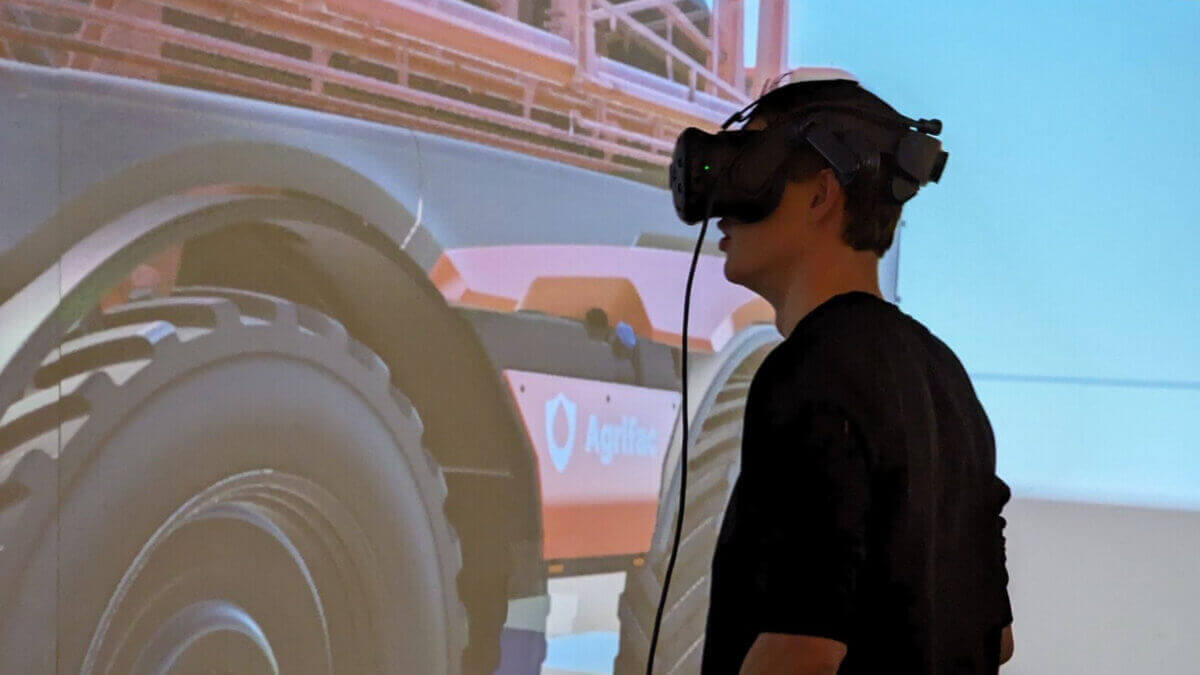
At true scale in VR, these questions answer themselves the moment you look. What used to require a physical mock-up, often weeks away, now happens in a single afternoon session.
2. Reviews stop being a monologue and become a shared conversation
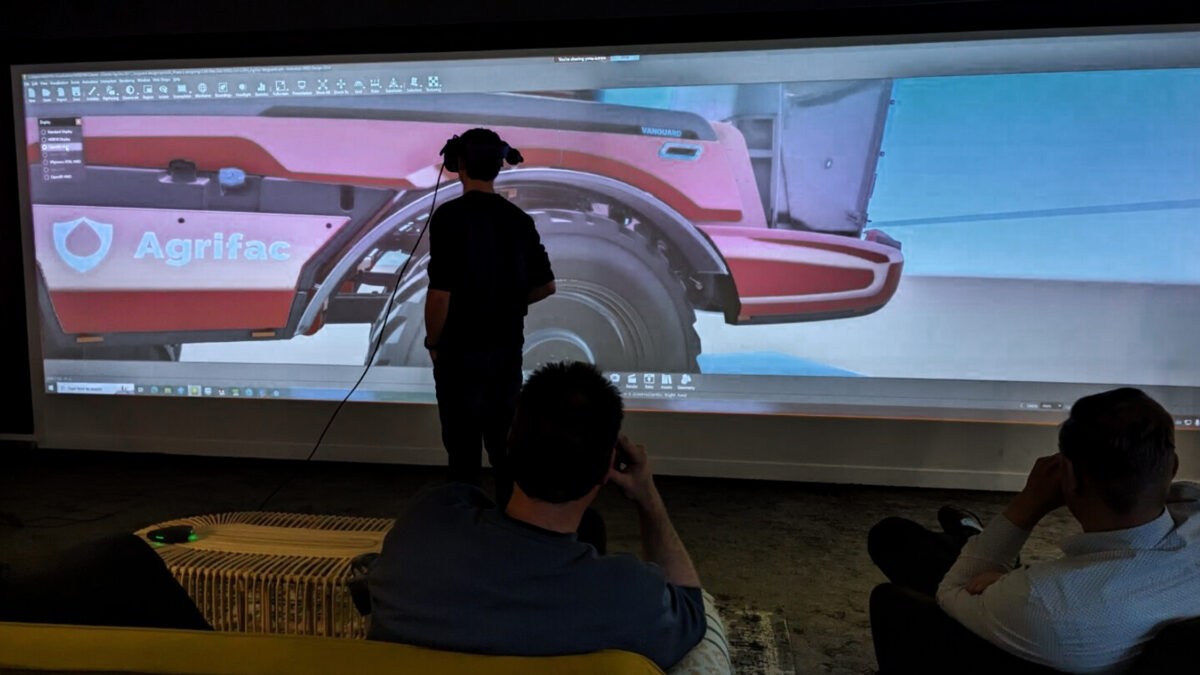
Circulating a PDF, or sitting around one screen, means one person controls the view and everyone else interprets it second-hand. Put a client in a headset, or drop them into a shared real-time model, and they’re no longer being told about a design decision, they’re standing inside it, pointing at the same surface the designer is describing. Feedback becomes specific and immediate instead of vague and delayed.
Circulating a PDF, or sitting around one screen, means one person controls the view and everyone else interprets it second-hand. Put a client in a headset, or drop them into a shared real-time model, and they’re no longer being told about a design decision, they’re standing inside it, pointing at the same surface the designer is describing. Feedback becomes specific and immediate instead of vague and delayed.
3. Mistakes surface while they’re still cheap to fix
The earlier a flaw in proportion, ergonomics or visibility is caught, the less it costs to correct. Once tooling starts, a fix stops being a sketch revision and becomes a manufacturing problem. Rapid visualisation pulls the moment of discovery back to the phase where a correction is still a few clicks, not a re-cut mould or a rebuilt frame.
4. Fewer physical models. Better-targeted decisions
3D and VR don’t replace physical prototyping, they narrow down what still genuinely needs it. Teams resolve questions of proportion, surfacing and spatial feel virtually, then reserve physical models for what really can’t be judged any other way, like tactile ergonomics or material texture. The result is fewer, more purposeful models, not a hollowed-out process.
5. Confidence compounds, decisions get made earlier and stick
When people can see and explore a design rather than imagine it from a drawing, they commit to decisions sooner and revisit them less. That earlier commitment ripples through an entire programme: less rework, less revisiting choices in later meetings, and a design that matures faster because the big calls were made with real information instead of a leap of faith.
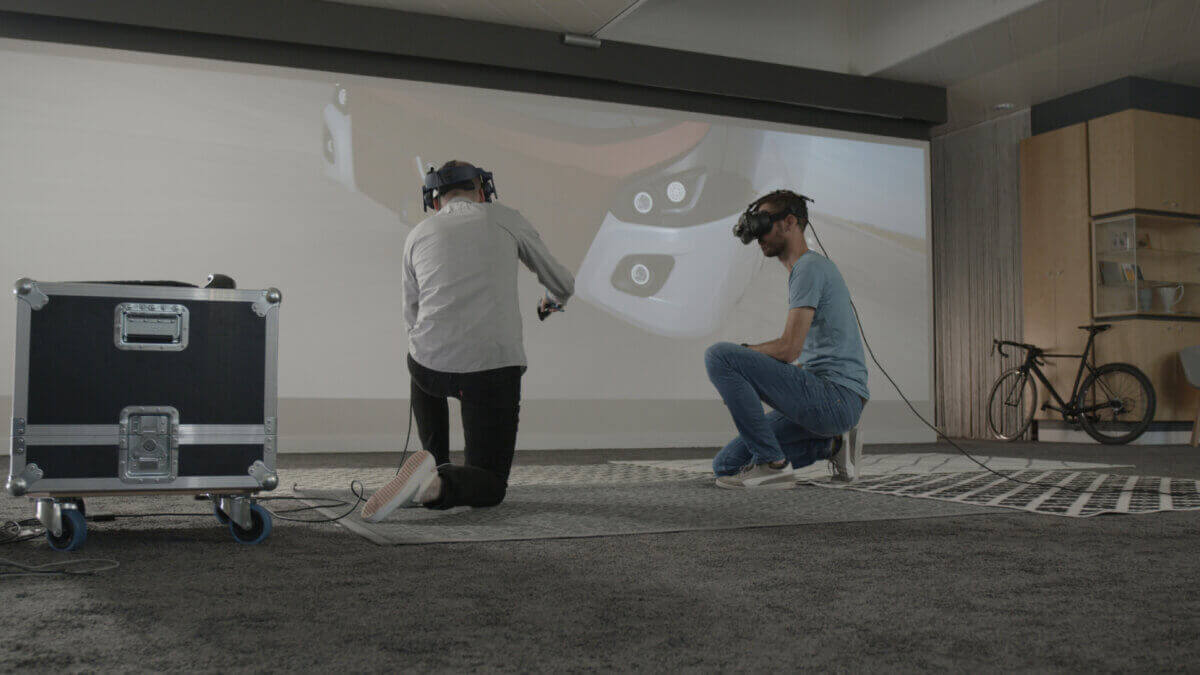

A full-size bus, judged before a single panel existed
Working with VDL Bus & Coach, MODYN used VR to let design and engineering teams judge interior and exterior scale on a vehicle that is, quite literally, too big and too expensive to model repeatedly in foam or clay. Walking through a virtual coach at true scale helped surface at true scale surfaced proportion and space issues early, the kind that would otherwise only show up once a full physical mock-up existed. Physical models are still built, but now they’re reserved for what VR can’t answer, like detailed ergonomics, while shape, surfacing and spatial questions get resolved virtually first.
Getting colour, material and finish right without waiting for paint samples
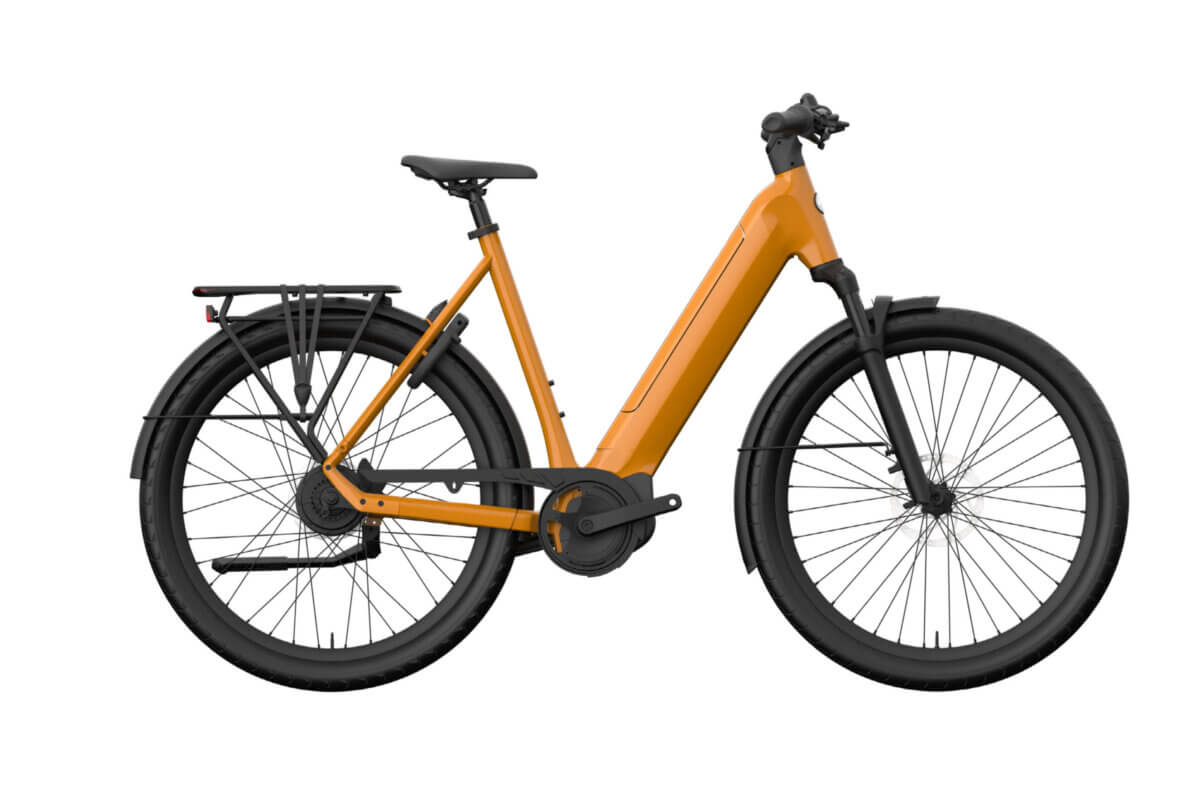
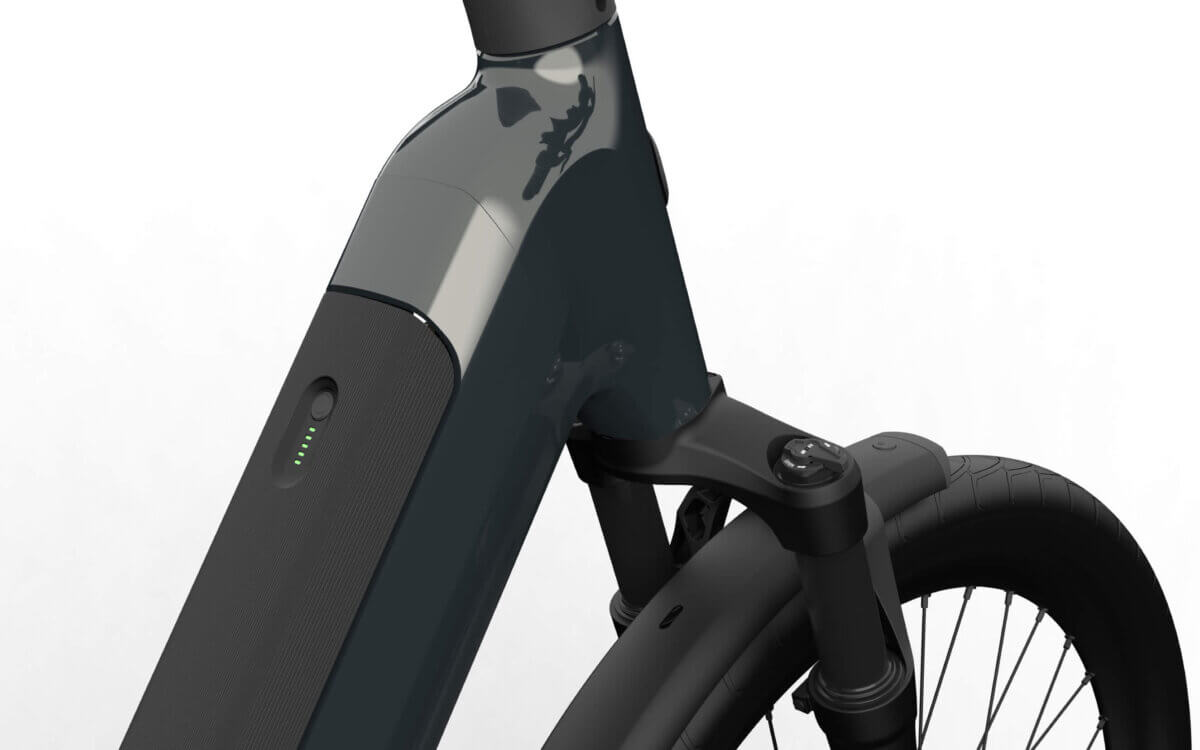
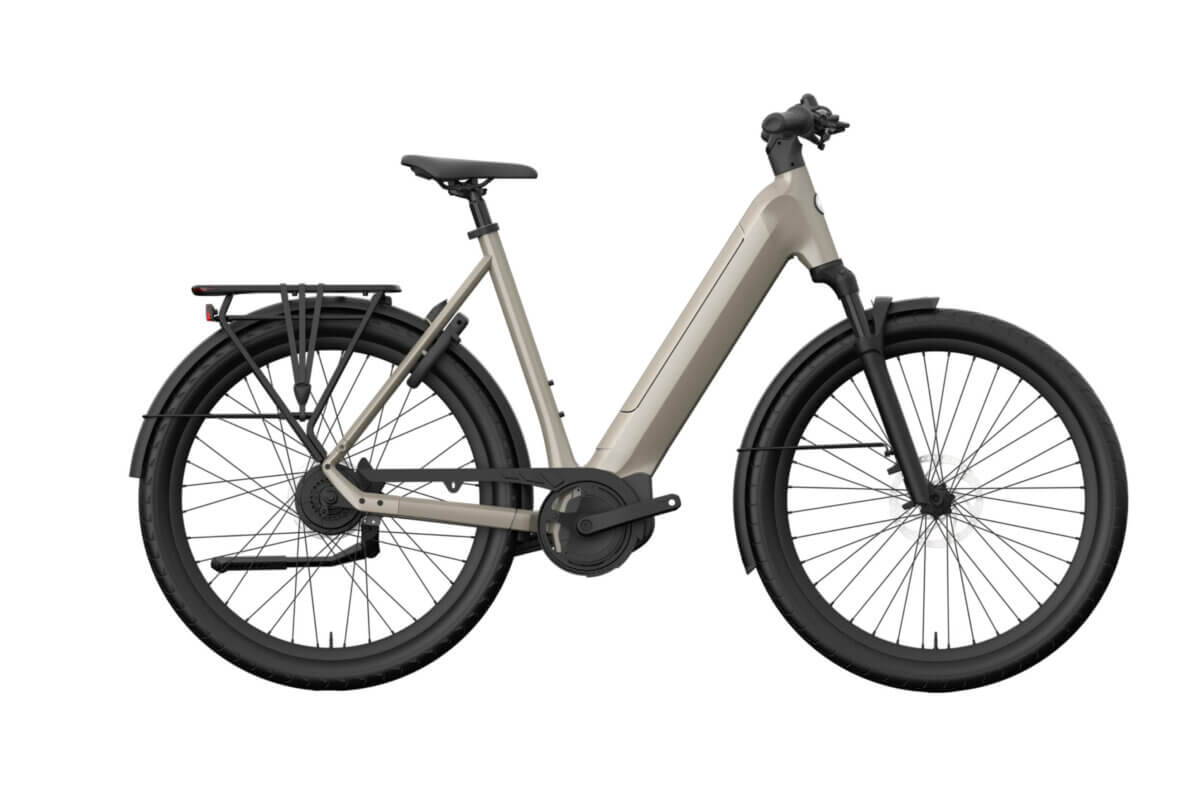
On bike projects like our work with Gazelle, real-time 3D visualisation lets the team judge how a frame’s paint, graphics and finish will actually read: how light catches a gloss panel versus a matte one, how a colourway sits against chrome or carbon detailing, all without waiting on physical paint samples for every option under consideration. Clients can compare several finish directions side by side and make a call in a single session, instead of a string of sample-and-wait cycles stretched over weeks.
It’s not only us: the industry’s latest step, VRED design review on Apple Vision Pro
Outside MODYN, the wider automotive industry is moving in the same direction, and fast. In March 2026, Autodesk, whose VRED software is an industry-standard visualisation tool for automotive design review, announced a collaboration with Apple, NVIDIA and Innoactive to bring immersive spatial design review to Apple Vision Pro. Enabled by NVIDIA CloudXR and visionOS 26.4, it lets teams walk around photorealistic vehicle models at full scale and collaborate in real time, from early concept work through to executive approval.
Automotive companies including BMW Group, Kia, Rivian and Volvo Group have been named as leaders adopting or exploring these workflows, with Kia and Volvo Group publicly describing how spatial computing is already supporting their design processes. It’s a useful reminder that this isn’t simply a gimmick for small studios experimenting with new technology: VRED is the same software MODYN uses in-house for our own VR sessions, and immersive review is increasingly becoming part of professional automotive design workflows rather than remaining a novelty.
Confidence before commitment
Clients approve directions having actually experienced them, at scale, from the angles that matter, rather than trusting a rendering or a verbal description. That confidence reduces the anxiety of late-stage surprises.
Faster, cheaper iteration
Because feedback happens on a virtual model instead of a physical one, clients get more rounds of genuine review within the same budget and timeline, and reach a final direction faster, not slower.
A shared, unambiguous reference point
Client, designer and engineer are all reacting to the same model at the same time, which cuts down on the miscommunication that comes from everyone interpreting a 2D drawing differently. Decisions get made against something everyone actually saw, not something everyone imagined.
At MODYN, rapid 3D and VR visualisation isn’t bolted onto the end of a project as a polished render for a final presentation, it runs alongside the process. Early concepts are tested for scale and space during Developing, well before any tooling decision is made, and Delivering formally builds in visualisation alongside final surfacing and engineering, so what a client approved in VR is the same geometry that moves into production.
Whether it’s a full-size bus, a bike frame, or a health diagnostic device, seeing a design before it’s built has become part of how MODYN moves people, businesses and the planet forward, with fewer surprises along the way.