Gazelle Vision Cockpit

- Case Reimagining the bicycle cockpit as an integrated brand experience here
- Client Royal Dutch Gazelle
- Industry Mobility
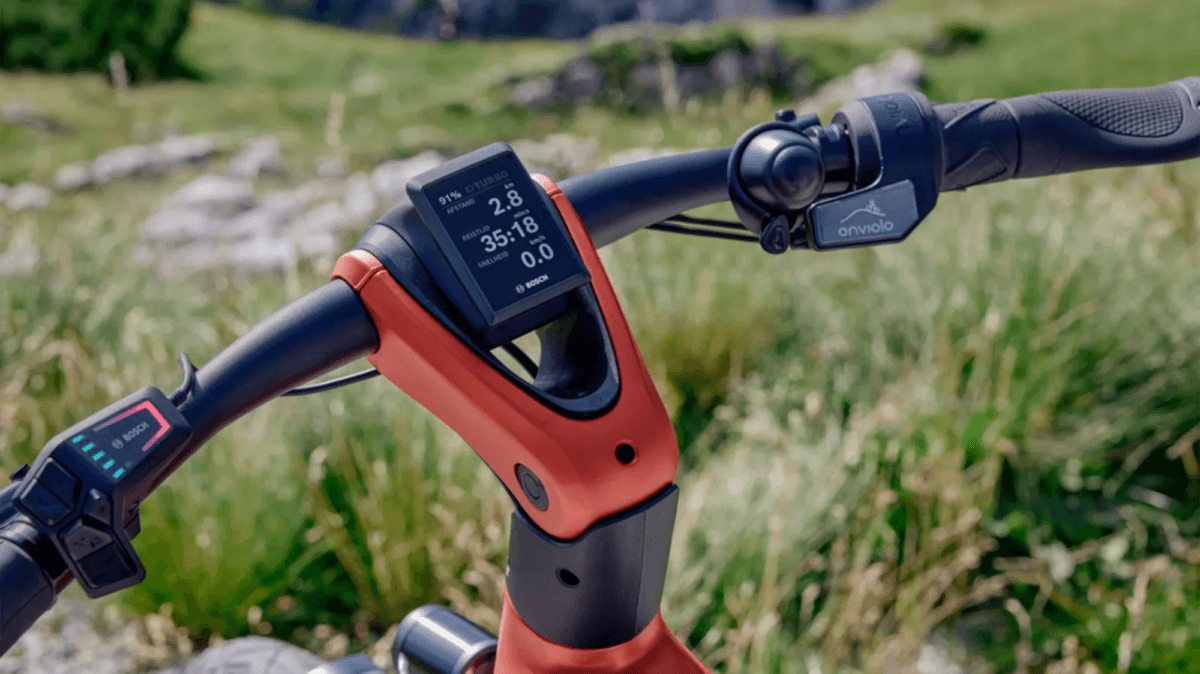
The handlebar is one of the most important touchpoints of a bicycle. It determines how riders interact with the product, influences comfort and safety, and plays a major role in the overall riding experience. Yet surprisingly, this area is often only partially controlled by the bicycle brand itself.
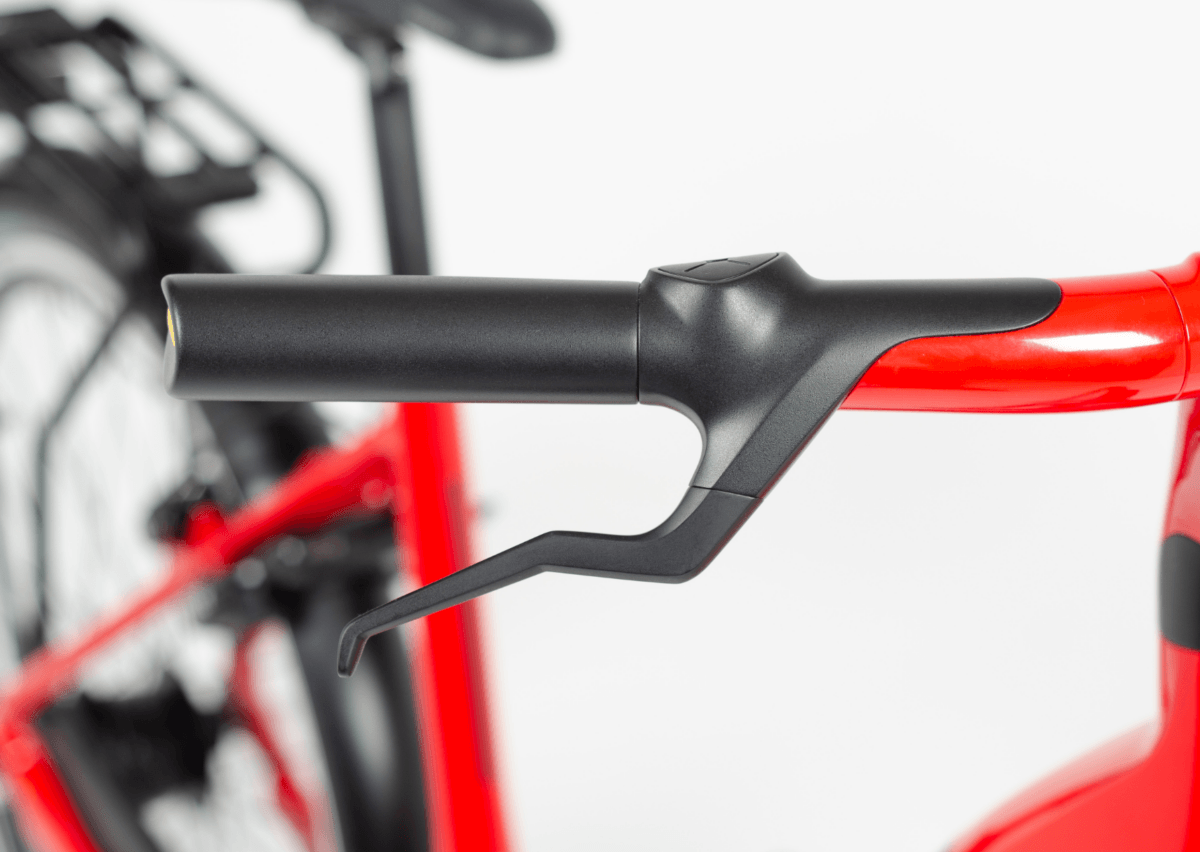
A modern e-bike handlebar typically becomes a collection of components sourced from different suppliers: grips, brake levers, gear controls, displays, lighting systems and electric drive controllers. Each component is developed independently according to the design philosophy of its manufacturer, resulting in a fragmented user experience that may not reflect the identity of the bicycle brand.
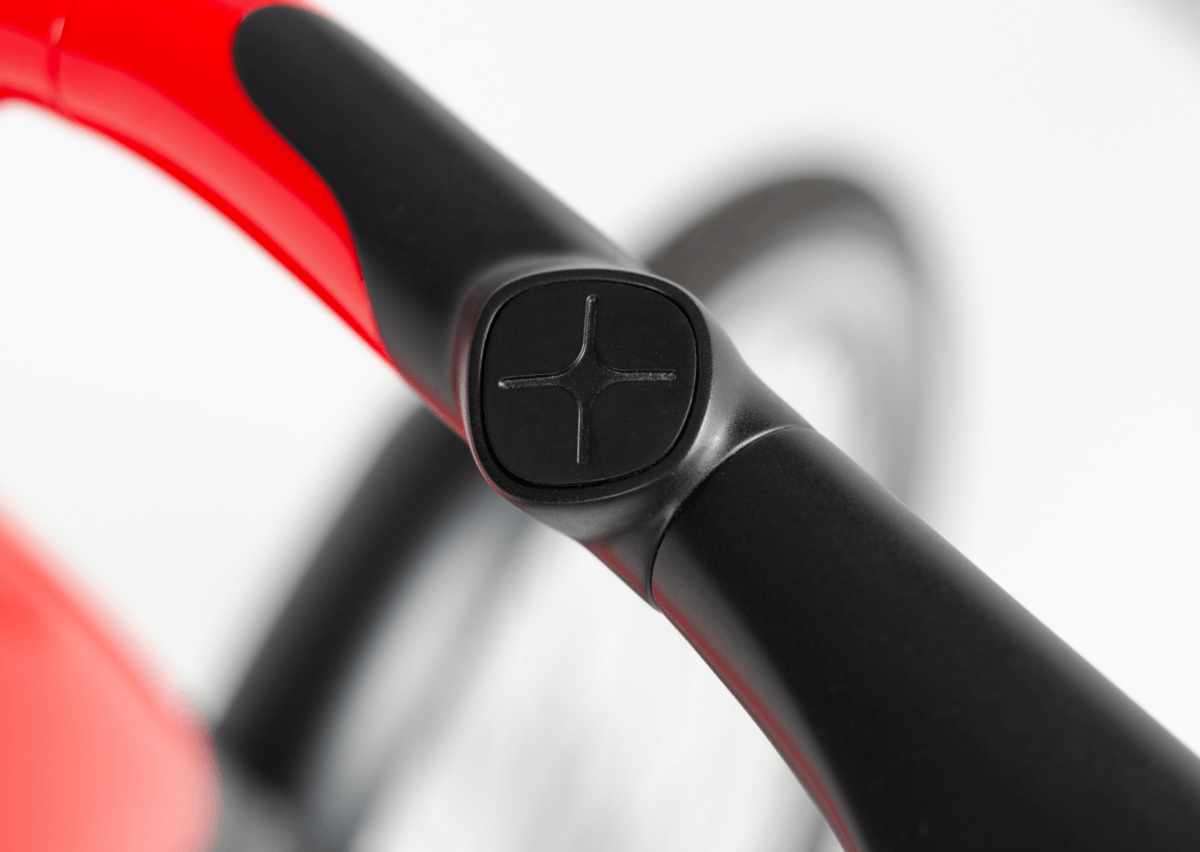
Gazelle challenged us to rethink this paradigm. Instead of treating the cockpit as a collection of mounted components, what if it could be designed more like a modern automotive steering wheel? A fully integrated interface where functionality, ergonomics and brand identity work together as a single coherent system.
All of this eventually laid the foundation for the production cockpit of the Gazelle Eclipse!
Through a series of workshops with the Gazelle team, we established a shared vision for the future of bicycle cockpit design.
The ambition was to create a distinctive cockpit that would seamlessly integrate with the bicycle, improve ease of use and strengthen Gazelle’s visual identity. Rather than following industry conventions, the project aimed to define a new standard for integration that could inspire suppliers to develop products around the concept.
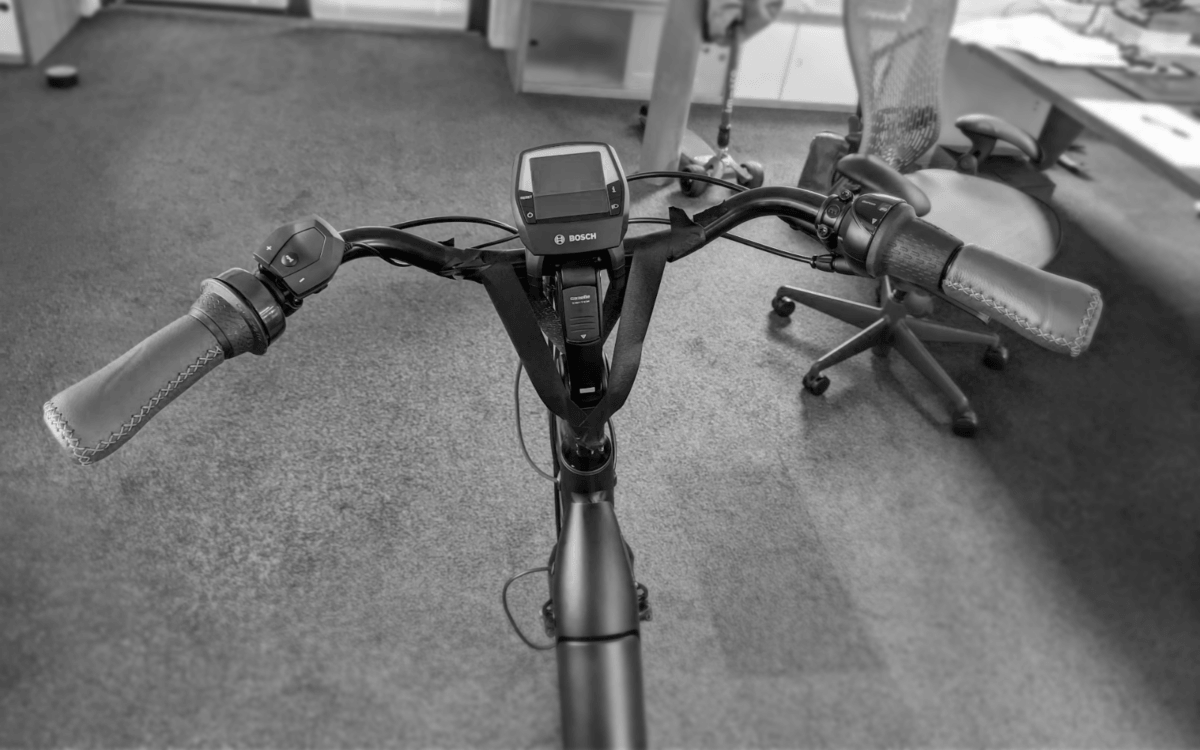
Through expert interviews and How Might We workshops, we identified the key challenges shaping the future of the cockpit.
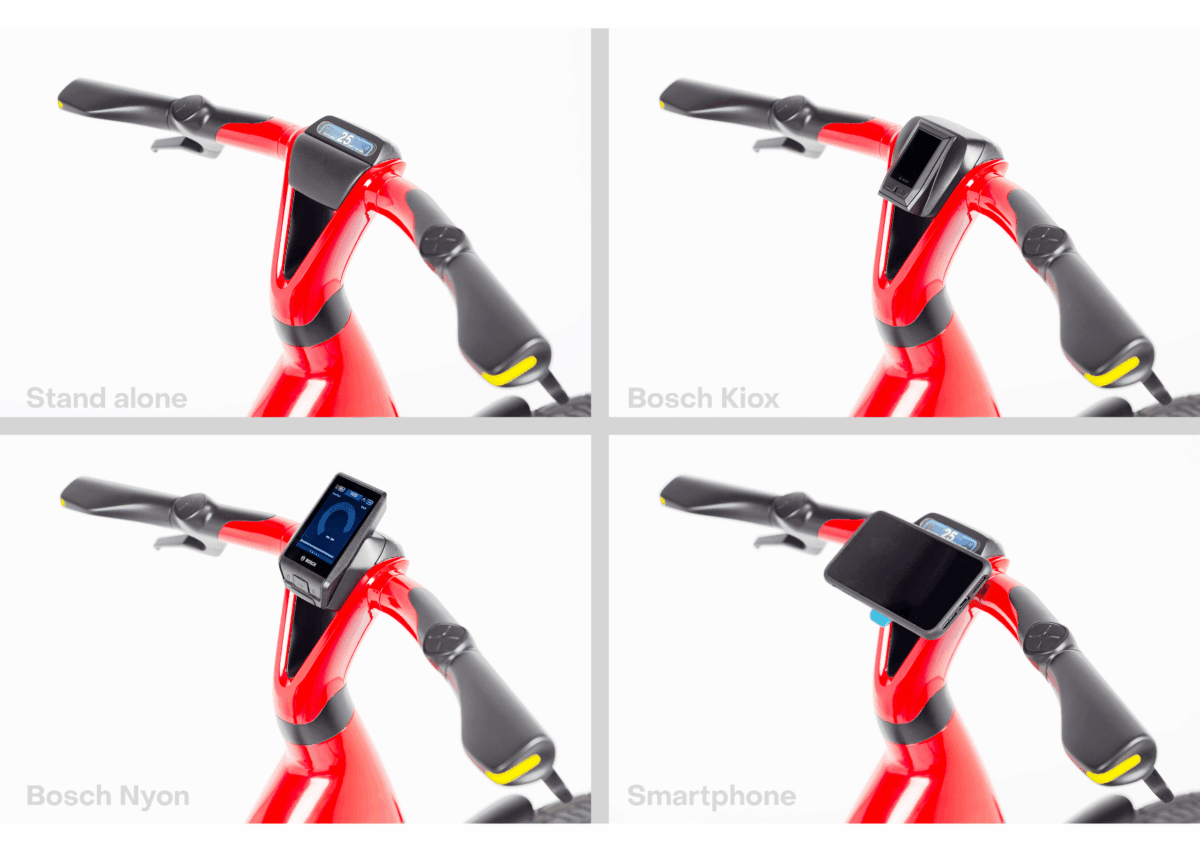
How might we combine the flexibility of modular systems with the visual quality of an integrated design? And how might Gazelle create a distinctive cockpit while continuing to work with industry-standard supplier components?
The research also revealed opportunities around connected services, smartphone integration and safety features that could become part of a future cockpit ecosystem.
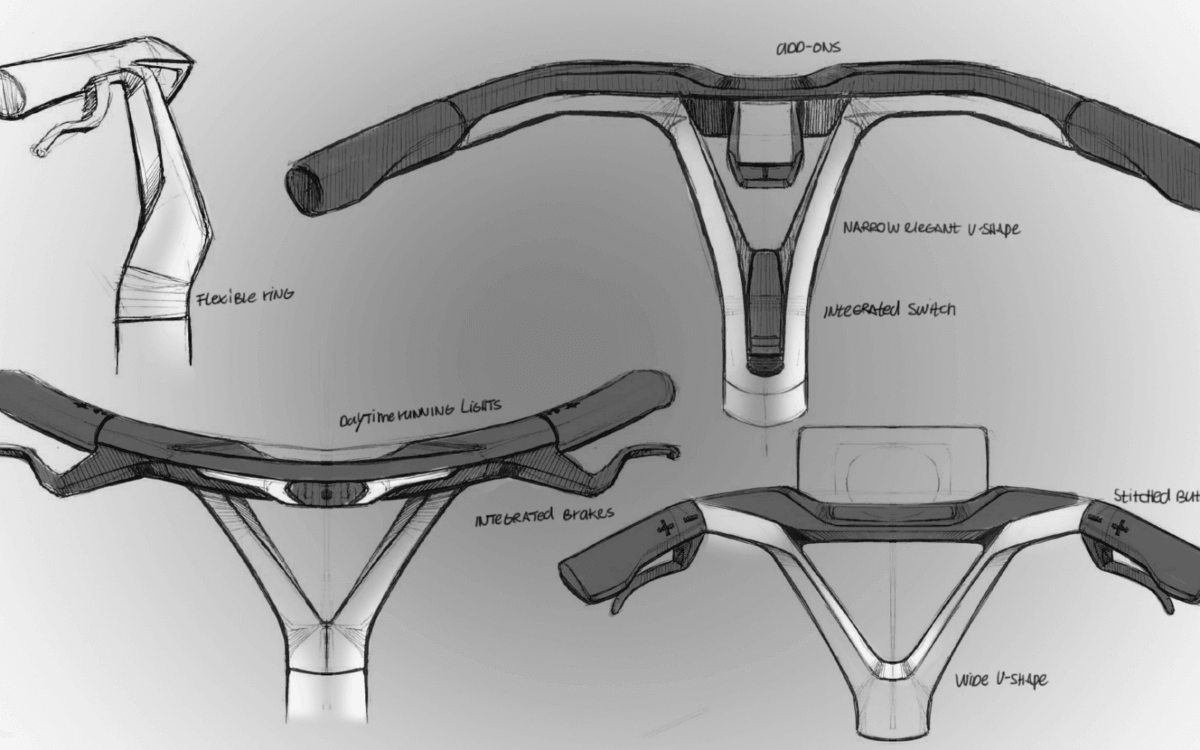
The insights were translated into three guiding design principles.
Integrated Architecture
The cockpit should feel like a natural extension of the frame rather than a collection of mounted components.
Connected Experience
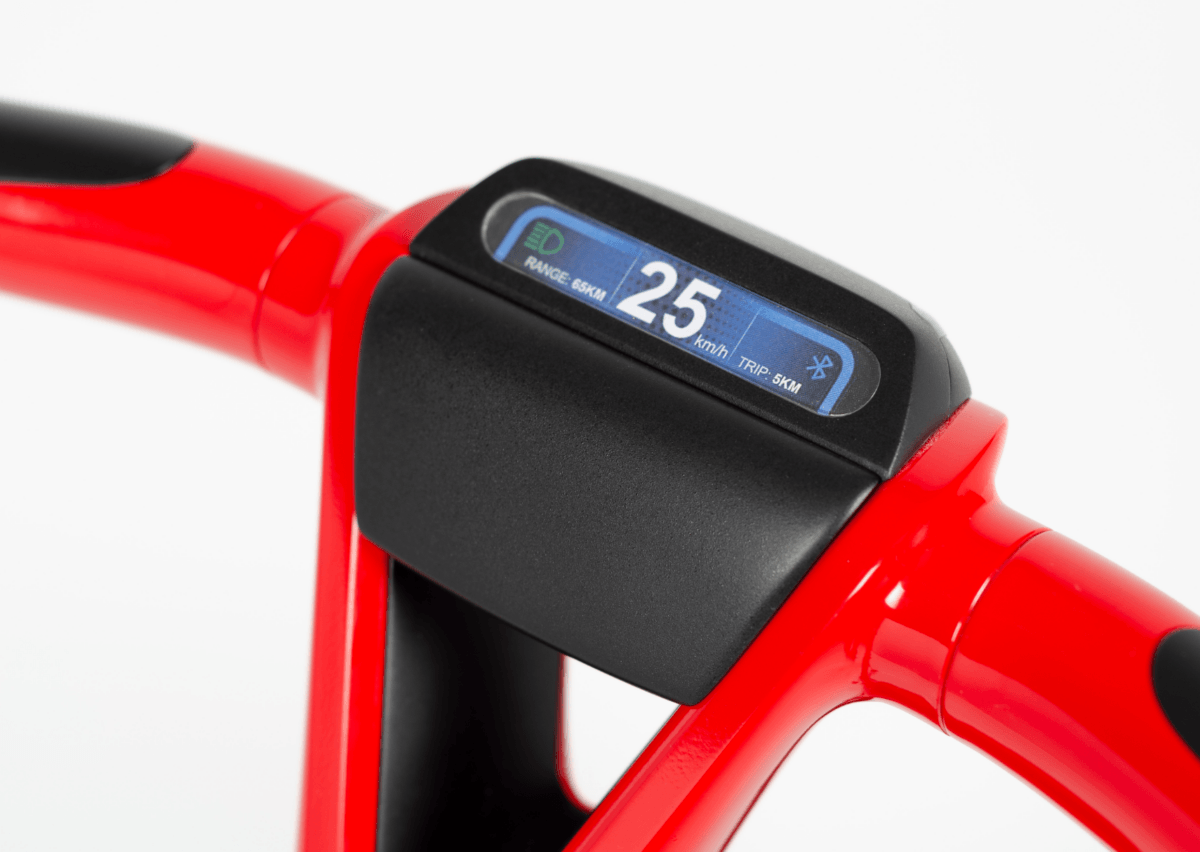
A modular platform capable of supporting multiple digital ecosystems, from integrated displays to smartphone-based interaction.
Safety as Identity
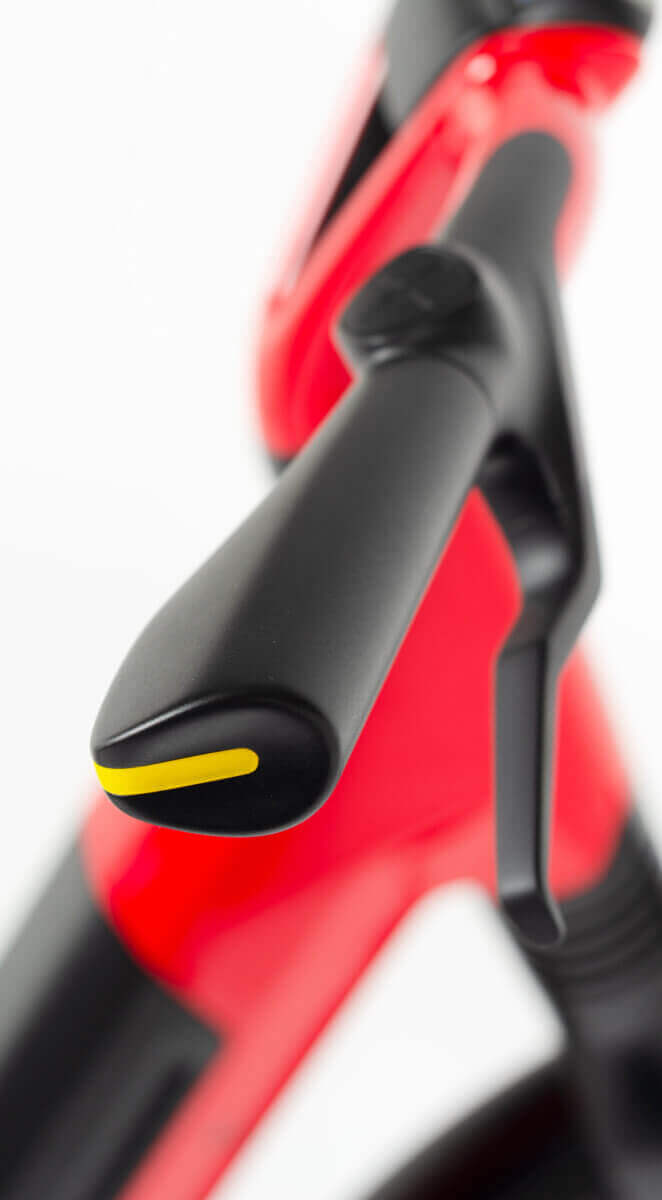
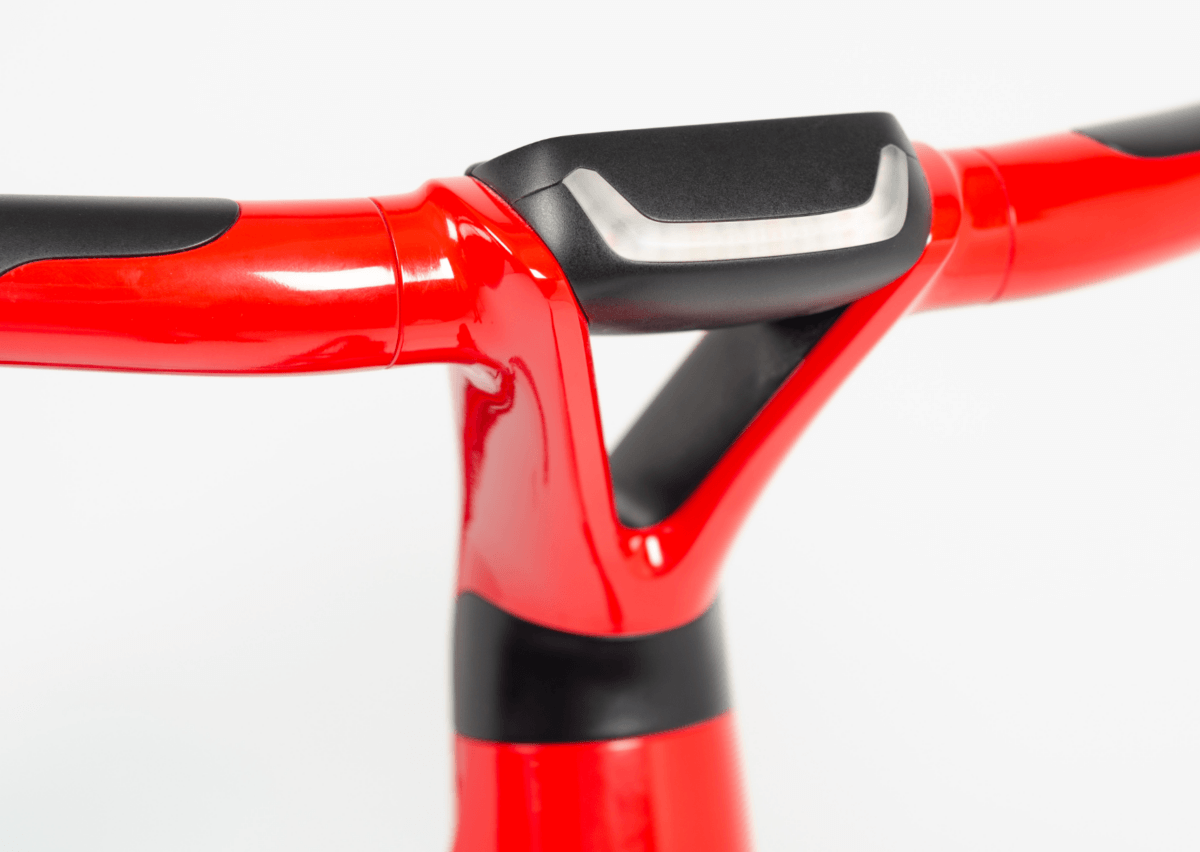
Lighting and signalling features should contribute not only to rider safety but also to a recognizable Gazelle signature on the road.
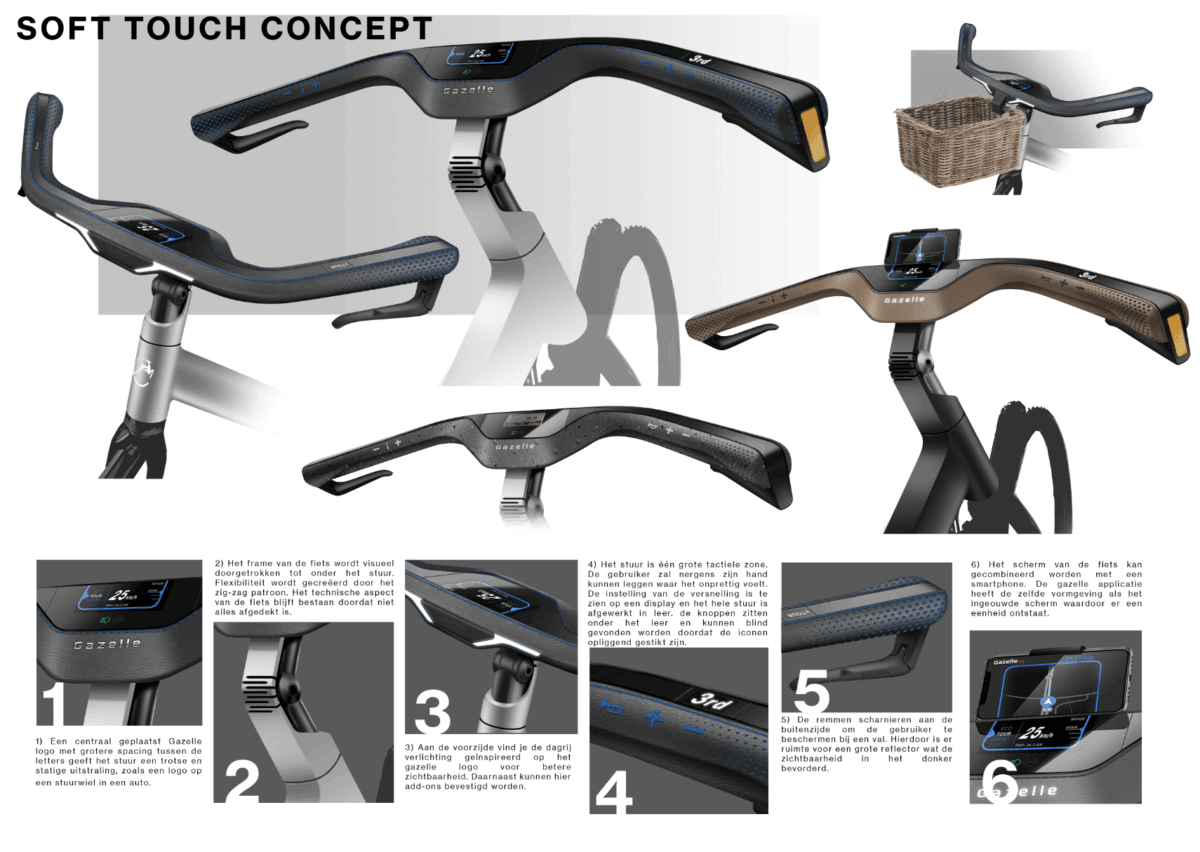
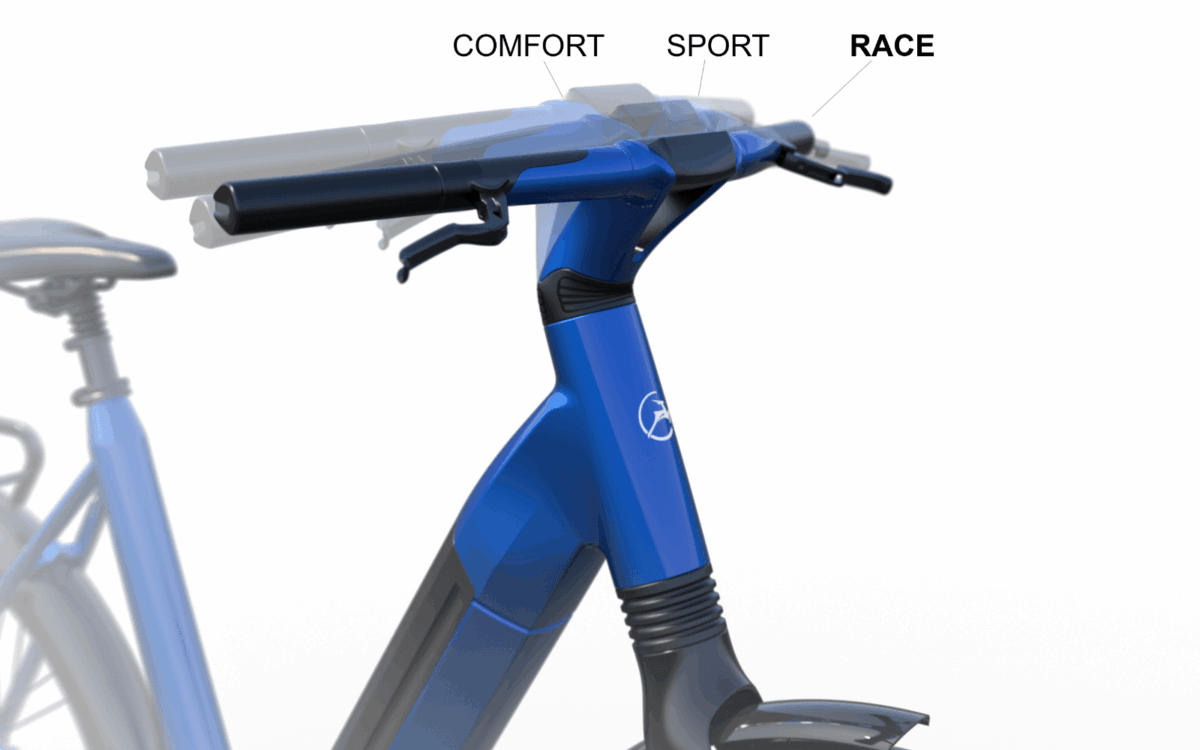
Using the geometry of the Gazelle Ultimate as a foundation, the team defined a cockpit that balanced adjustability, comfort and integration.
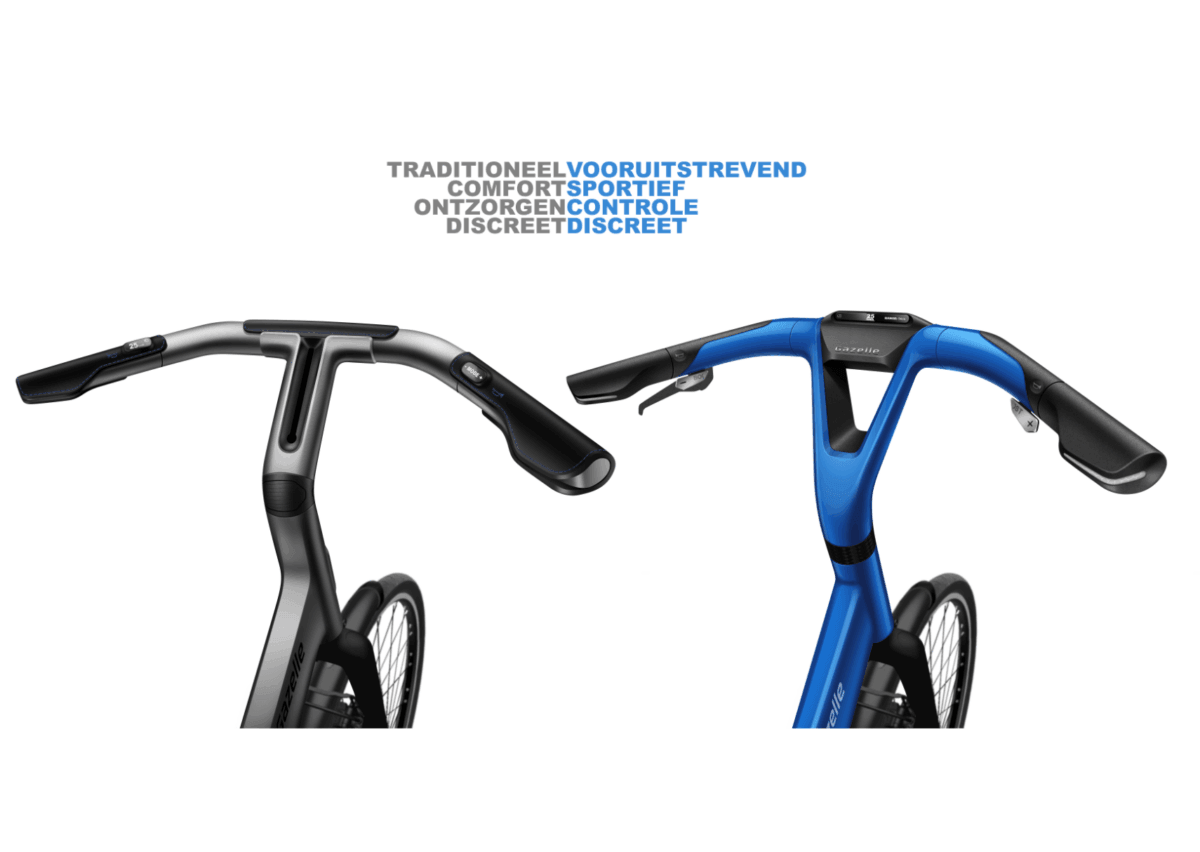
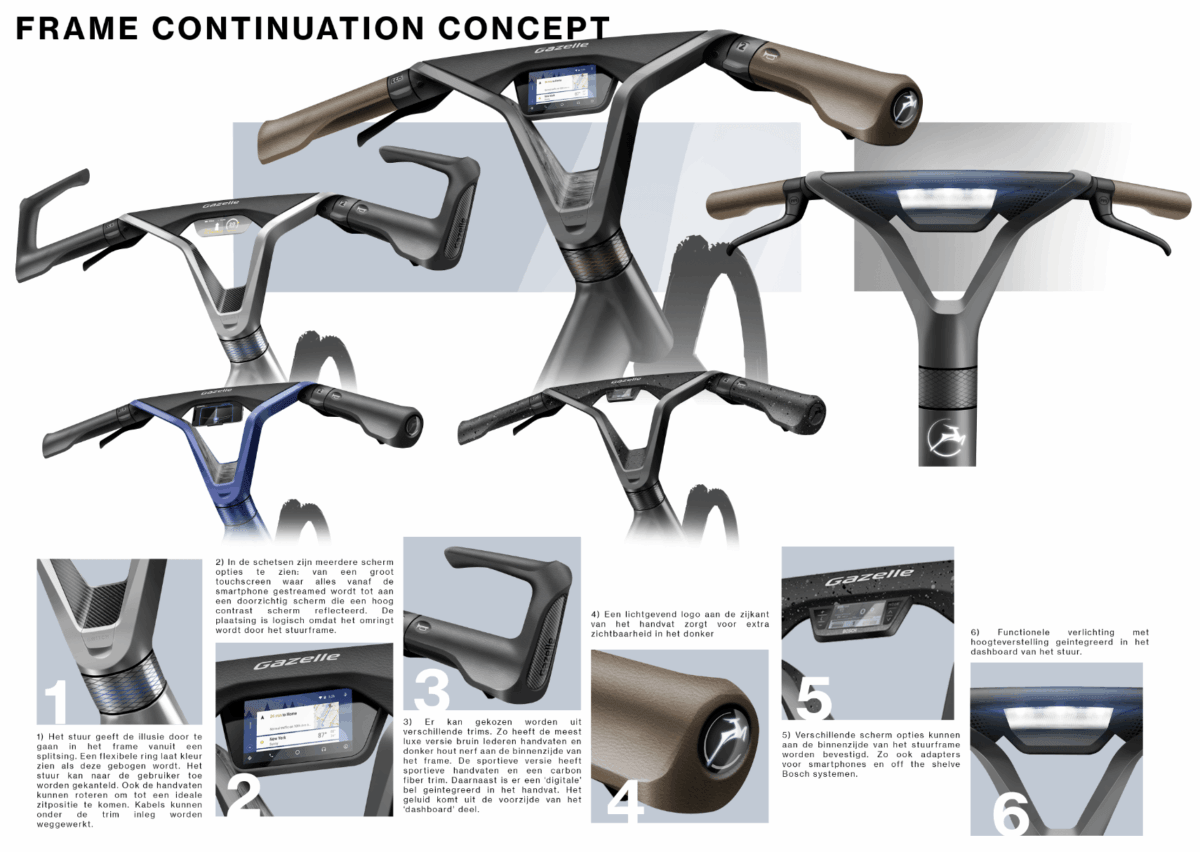
Two concept directions were explored.
The first drew inspiration from automotive steering wheel design, creating a highly integrated control area with an extended tactile surface.
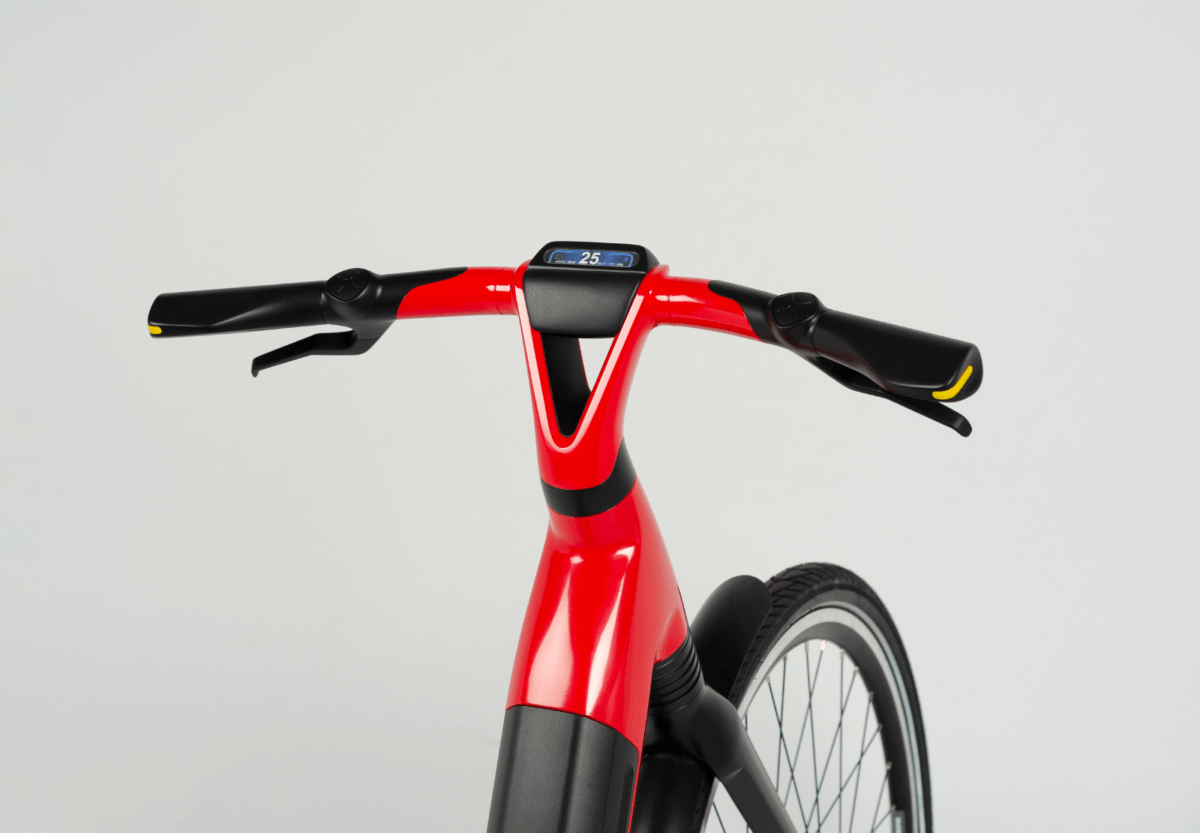
The second took inspiration from the Gazelle animal, resulting in a distinctive V-shaped cockpit architecture that visually connected the handlebar to the frame.
The V-shaped concept was selected for further development because of its strong visual identity and recognizability from a distance.
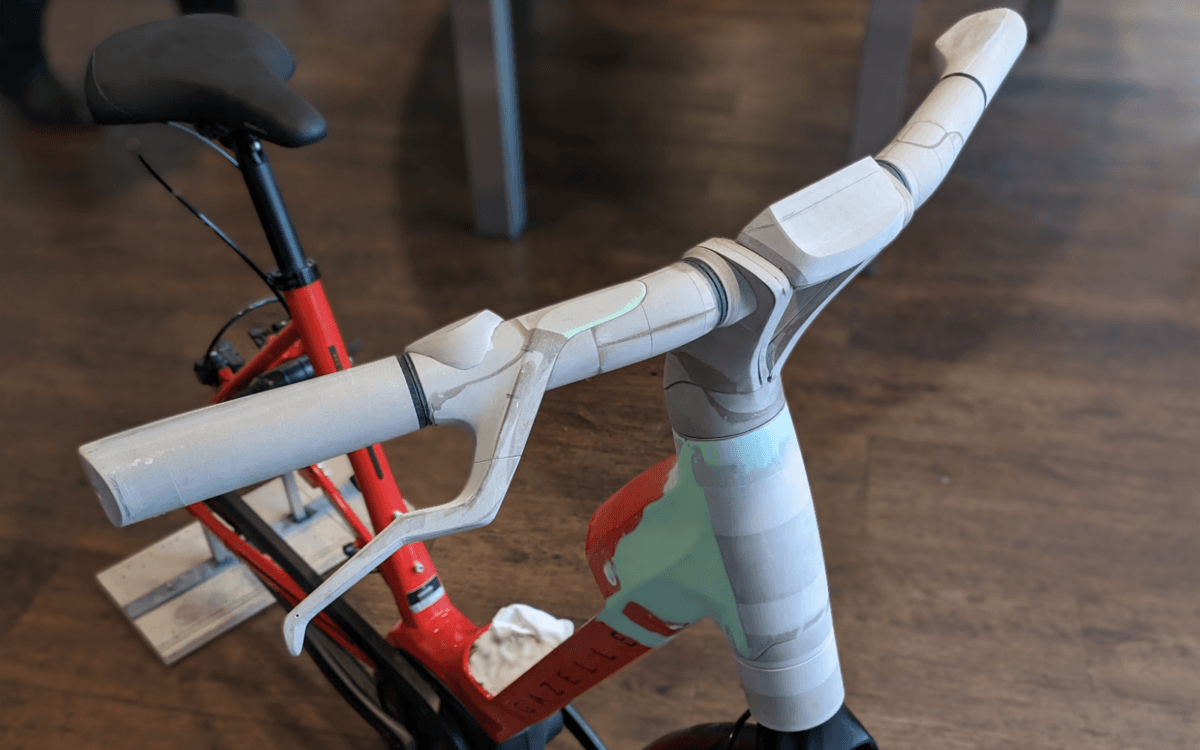
The concept was refined in CAD, evaluated through immersive VR sessions and ultimately translated into a full-scale prototype. Functional electronics were integrated into the model, allowing features such as the signature daytime running lights to be demonstrated in a realistic context.
Outcome
The Vision Cockpit study demonstrated how the bicycle cockpit could evolve from a collection of supplier-driven components into a cohesive brand-defining interface.
While the concept itself was never brought to production, its influence extended beyond the project. The distinctive coloured V-shaped architecture explored during the study laid the foundation for the production cockpit of the Gazelle Eclipse, proving how strategic design vision can translate into real-world products.
The project established a future direction for integrated cockpit design, balancing modularity, ergonomics, safety and brand recognition within a single coherent experience.